
Search
T cells engineered to express chimeric-antigen receptors (CAR-T cells) can effectively control relapsed and refractory haematological malignancies in the clinic. However, the successes of CAR-T cell therapy have not been recapitulated in solid tumours due to a range of barriers such as immunosuppression, poor infiltration, and tumour heterogeneity.
This manuscript sheds light on the impact of maternal breast milk antibodies on infant health. Milk antibodies prepare and protect the newborn against environmental exposure, guide and regulate the offspring's immune system, and promote transgenerational adaptation of the immune system to its environment.
Typically developing infants, between the corrected age of 9-20 weeks, produce fidgety movements. These movements can be identified with the General Movement Assessment, but their identification requires trained professionals to conduct the assessment from video recordings.
Objectives: To investigate in a cluster-randomised trial whether a campaign with oral polio vaccine (C-OPV) reduced mortality and morbidity.
Parents of children and adolescents with chronic conditions have an increased risk of stress-related mental health problems, and reduced quality of life. Third wave Cognitive Behavioral Therapy interventions have been shown to reduce stress in this parent population. Studies demonstrate that this efficacy endures when these therapies are delivered online.
Rheumatic heart disease (RHD) is underdiagnosed globally resulting in missed treatment opportunities and adverse clinical outcomes. We describe the protocol for a study which aims to co-design, implement and conduct an evaluation of a task-sharing approach to echocardiographic active case finding for early detection and management of RHD in high-risk settings in Australia and Timor-Leste.
Dynamic cellular and molecular adaptations in early life significantly impact health and disease. Upon birth, newborns are immediately challenged by their environment, placing urgent demands on the infant immune system.
Globally, tuberculosis (TB) is the leading infectious cause of morbidity and mortality, with the risk of infection affected by both individual and ecological-level factors. While systematic reviews on individual-level factors exist, there are currently limited studies examining ecological-level factors associated with TB incidence and mortality. This study was conducted to identify ecological factors associated with TB incidence and mortality.
Scabies and related bacterial skin and soft tissue infections are highly prevalent in many tropical, low- and middle-income settings. These skin conditions contribute to higher healthcare costs and burdens on healthcare systems.
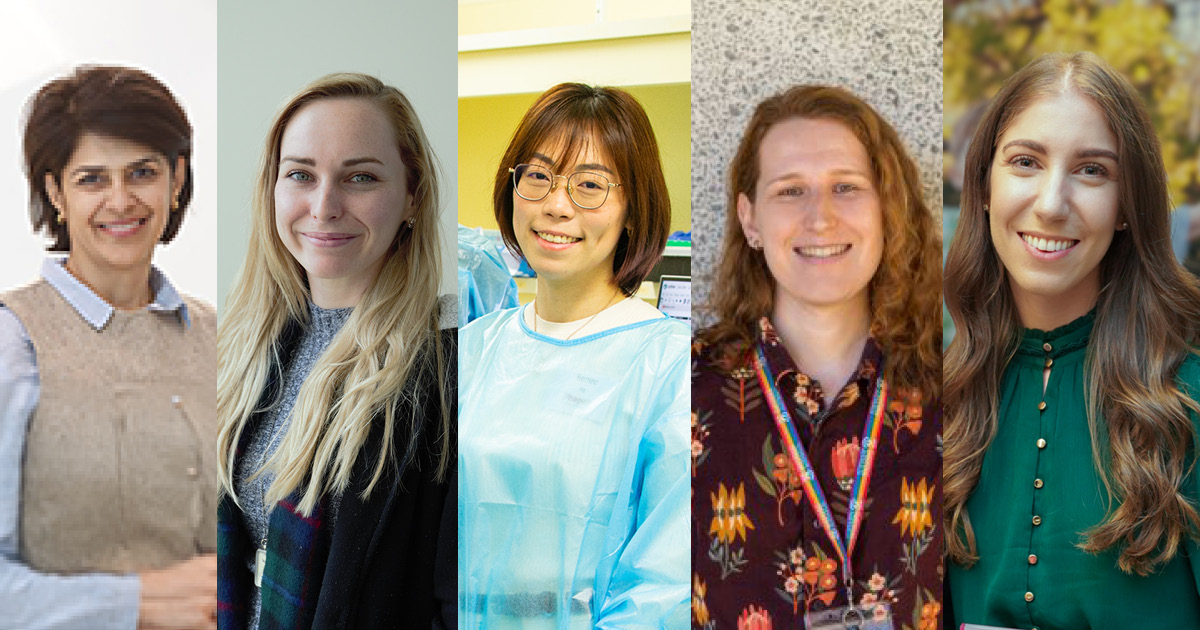
Five researchers from The Kids Research Institute Australia have been awarded three-year fellowships with the aim of keeping more WA-based PhD graduates involved in child health research.