
Search
An in-depth investigation of gene regulation and cell populations at sites of fetal blood-cell production provides clues as to why children with Down’s syndrome are predisposed to developing leukaemia.
This study aimed to assess whether undertaking retrieval was associated with fatigue independent of sleep and circadian disruption. It also aimed to assess the feasibility of routinely measuring the psychomotor vigilance test on neonatal transport. Fatigue is associated with impaired clinician performance and safety.
Genetic diagnosis plays a crucial role in rare diseases, particularly with the increasing availability of emerging and accessible treatments. The International Rare Diseases Research Consortium (IRDiRC) has set its primary goal as: "Ensuring that all patients who present with a suspected rare disease receive a diagnosis within one year if their disorder is documented in the medical literature".
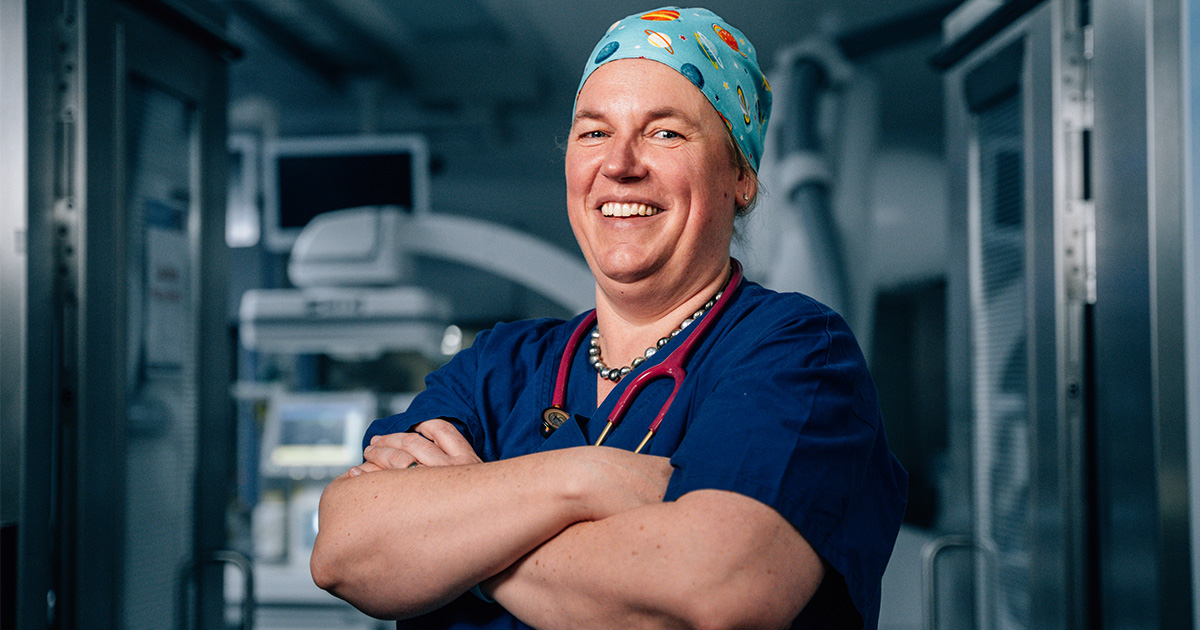
Congratulations to trailblazing Western Australian paediatric anaesthetist and researcher Professor Britta Regli-von Ungern-Sternberg, who has been awarded a prestigious Prime Minister’s Prize for Science for globally influential research that has made surgery and recovery safer for babies and children.
Compromised neonatal intensive care unit neonates are at risk of acquiring late-onset infections (late-onset sepsis [LOS]). Neonates born with congenital anomalies could have an additional LOS risk.
Tonsillectomy and adenoidectomy are two of the most commonly performed ENT procedures in children, with over 500,000 cases performed annually in the United States. Whilst generally considered a safe and well-tolerated operation, it is not without its risks and complications including pain, nausea, anorexia and most importantly bleeding and post-tonsillectomy haemorrhage.
This research sought to provide an outline of identified household-level environmental health initiatives to reduce or interrupt Strep A transmission along each of these pathways.
Emerging data suggest that air pollution is a persistent source of neuroinflammation, reactive oxygen species, and neuropathology that contributes to central nervous system disorders. Previous research using animal models has shown that exposure to diesel exhaust causes considerable disruption of the blood-brain barrier, leading to marked neuroinflammation.
Valid clinical outcome assessments with the ability to capture meaningful aspects of neurodevelopment for individuals with neurogenetic conditions associated with profound functional impairments are lacking, yet critical for clinical care and clinical trial readiness.
To investigate how dieting is portrayed on TikTok and the potential implications for public health considering the effect of diet culture on eating disorders amongst young people.