
Search
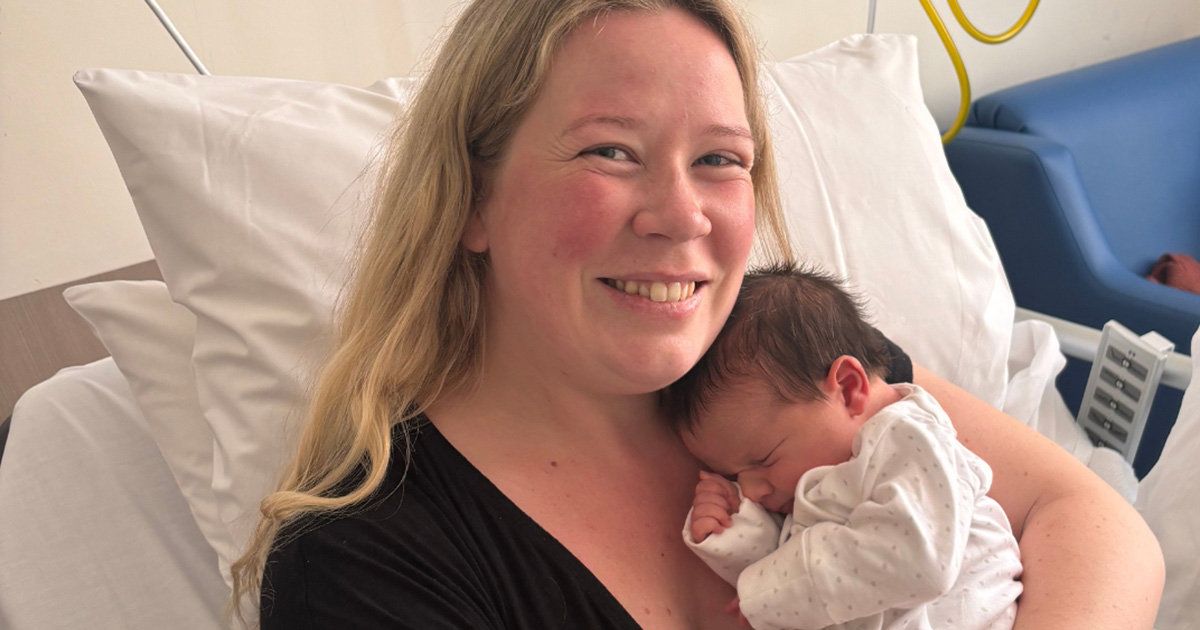
Australia’s biggest longitudinal study following the health and wellbeing of children from their conception through to childhood, has welcomed its 10,000th and final participant.
This study investigates various common medical conditions affecting Australian children aged 4–14 years and the impact of prenatal and early-life conditions on these health conditions using a large national data set with 15 years of follow-up.
Acute rheumatic fever and rheumatic heart disease are caused by untreated group A streptococcus infections. Their prevalence is much higher among First Nations people than other Australians.
The Trial Remifentanil DEXmedetomidine trial aimed to determine if, in children < 2 years old, low-dose sevoflurane/dexmedetomidine/remifentanil anesthesia is superior to standard dose sevoflurane anesthesia in terms of global cognitive function at 3 years of age.
Despite the volume of accumulating knowledge from prospective Aboriginal cohort studies, longitudinal data describing developmental trajectories in health and well-being is limited.
SETBP1 Haploinsufficiency Disorder (SETBD) is characterised by mild to moderate intellectual disability, speech and language impairment, mild motor developmental delay, behavioural issues, hypotonia, mild facial dysmorphisms, and vision impairment. Despite a clear link between SETBP1 mutations and neurodevelopmental disorders the precise role of SETBP1 in neural development remains elusive.
The skin is the largest and most visible organ of the human body. As such, skin infections can have a significant impact on overall health, social wellbeing and self-image.
Healthy skin is important for maintaining overall physical and cultural health and wellbeing. However, remote-living Australian Aboriginal children contend with disproportionally high rates of Streptococcus pyogenes (Strep A) infected impetigo.
Skin infections affect physical health and, through stigma, social-emotional health. When untreated, they can cause life-threatening conditions. We aimed to assess the effect of a holistic, co-designed, region-wide skin control programme on the prevalence of impetigo.
The prevalence estimates of physical activity, sedentary behavior, and sleep (collectively known as movement behaviors) in 3- and 4-year-old children worldwide remains uncertain.