
Search
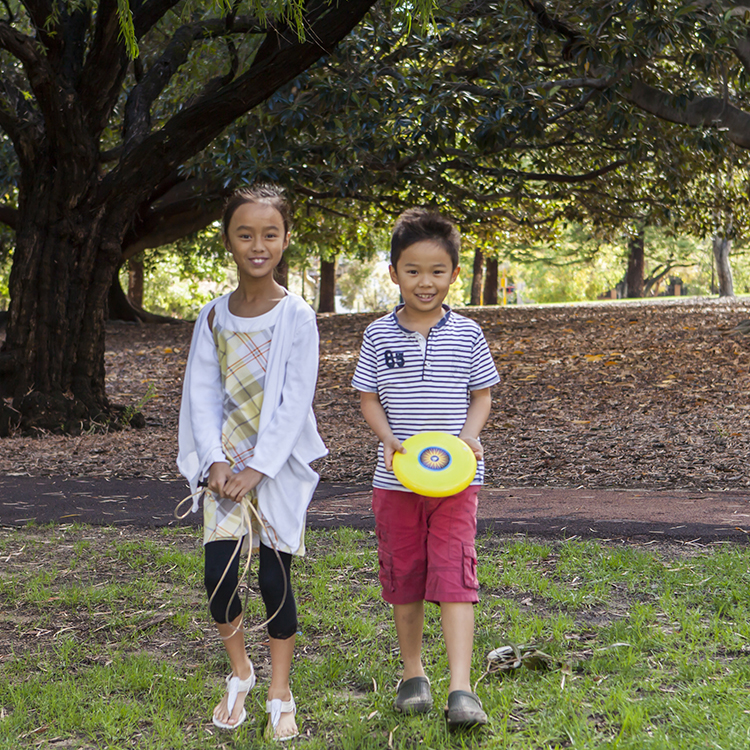
Our Child Health Analytics Team uses cutting-edge technologies to better understand how and why the health and wellbeing of children varies from place to place. We develop innovative geospatial methods that can harness large, complex datasets to pinpoint hotspots of elevated risk, evaluate change through time, and explore underlying drivers.
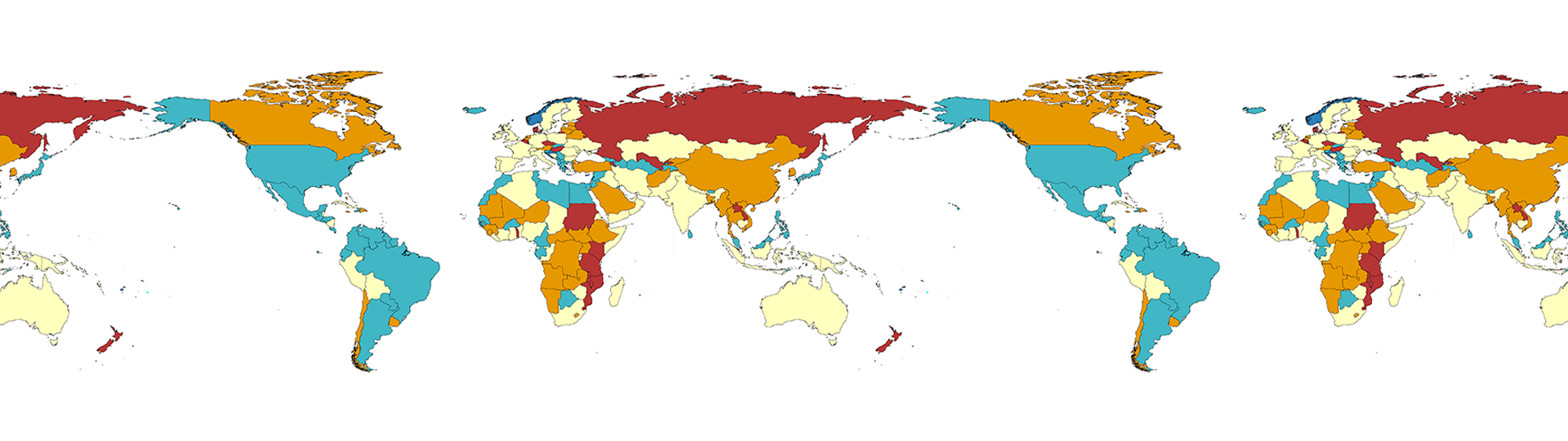
The Geospatial and Tuberculosis (GeoTB) team led by Kefyalew Alene focuses on designing an innovative approach for improving the efficiency and effectiveness of public health interventions to help control and ultimately eliminate tuberculosis in high-burden countries.
The Global Disease Modelling group informs development and implementation of drugs, medical treatments and non-medical interventions to effectively tackle disease. They build mathematical models of diseases, designed to take into account the complex constellation of interactions between pathogens, humans, diseases, the environment and entire healthcare systems.
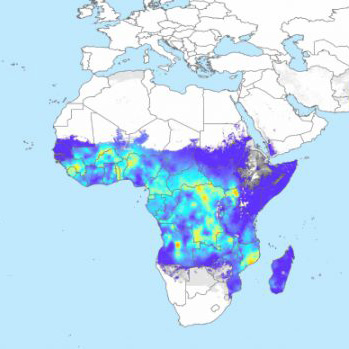
The Infectious Disease Ecology and Modelling team led by Professor Nick Golding, combines mathematical and statistical modelling, ecology, and public health to address malaria and other infectious and vector-borne diseases. The team uses modelling and maps to measure the risk posed by some of the world’s most important and neglected diseases – including malaria, Japanese Encephalitis and COVID-19 – and provide rapid modelling analyses to policy makers.
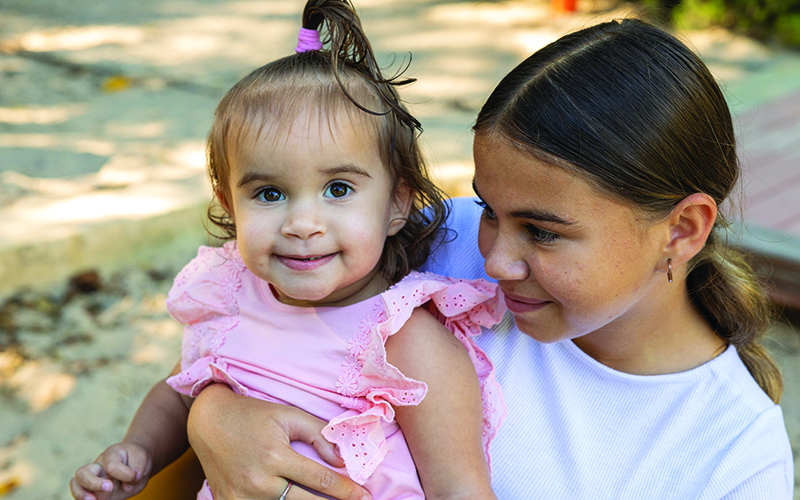
The Penicillin Team are working to accelerate research and clinical trials to improve penicillin formulation and treatment methods, to end RHD.
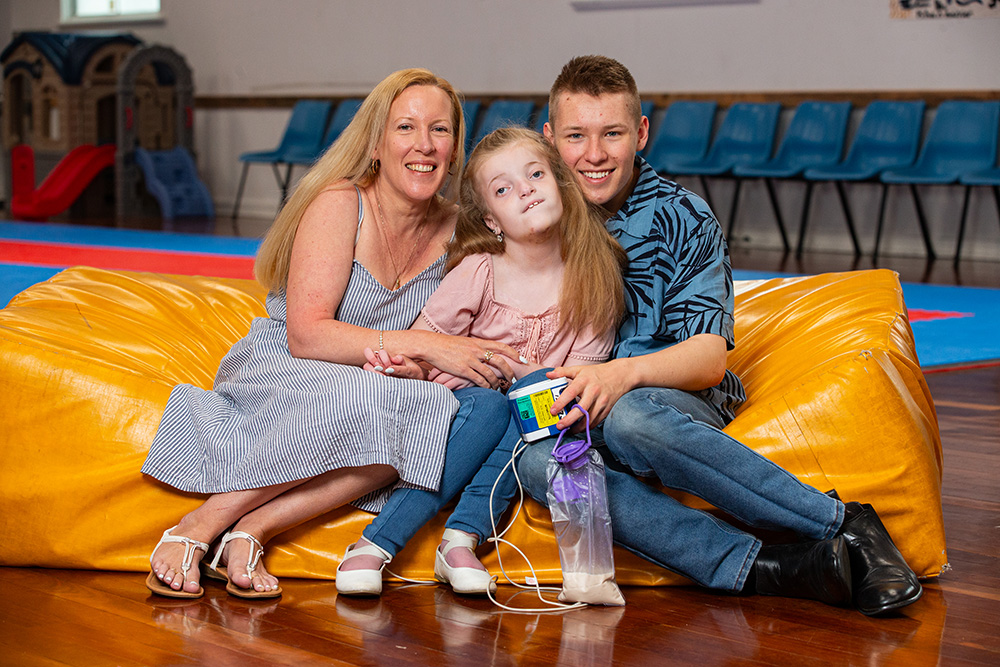
Uses personalised approaches to healthcare, aiming to tailor prevention and treatment strategies based on genetic, environmental, and lifestyle factors. This theme strives to make healthcare more targeted and effective for each child's unique needs.
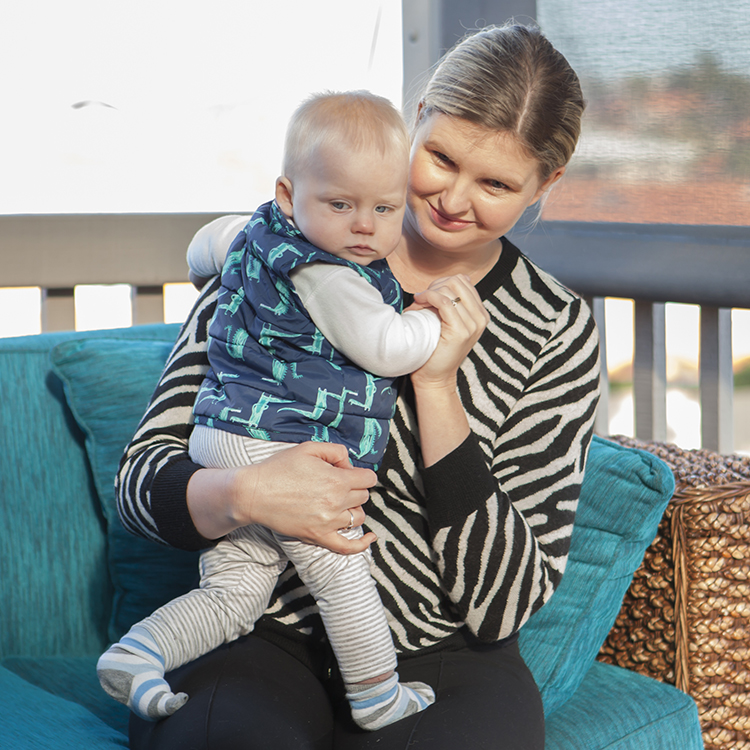
Epigenomic research at The Kids explores the links between childhood disease and the molecular hallmarks of epigenetic control.

Mitochondrial diseases are devastating disorders for which there are no cures or effective treatments. Our project will focus on the prevention of mitochondrial diseases and discovery of effective cures.
We have started a project utilising whole genome sequencing of undiagnosed children living in WA to provide a definitive diagnosis. A major challenge here is that the role and functions of the inter-genic regions of our genome (the remaining 98%) are relatively poorly understood.
We are made up of hundreds of different cell types carrying out a diverse range of functions essential for organism survival. All the information required to specify the morphology, function and response to stimuli of these cells is encoded in identical copies of the genome. The process of gene regu