
Search

Enrolments for Australia’s first needle-free, gene-based COVID-19 vaccine study – to be led in WA by The Kids Research Institute Australia – are open.

Congratulations to six researchers from The Kids Research Institute Australia, who will use valuable support from the Raine Medical Research Foundation’s 2024 grant round to undertake projects focused on improving the health and wellbeing of babies, children and young people.
Our skin, the body’s largest organ, protects us and maintains overall health. Untreated recurring skin infections like impetigo and scabies severely impact children. The Kids is at the forefront of combatting skin infections, particularly within remote Aboriginal communities experiencing some of the world’s highest rates.
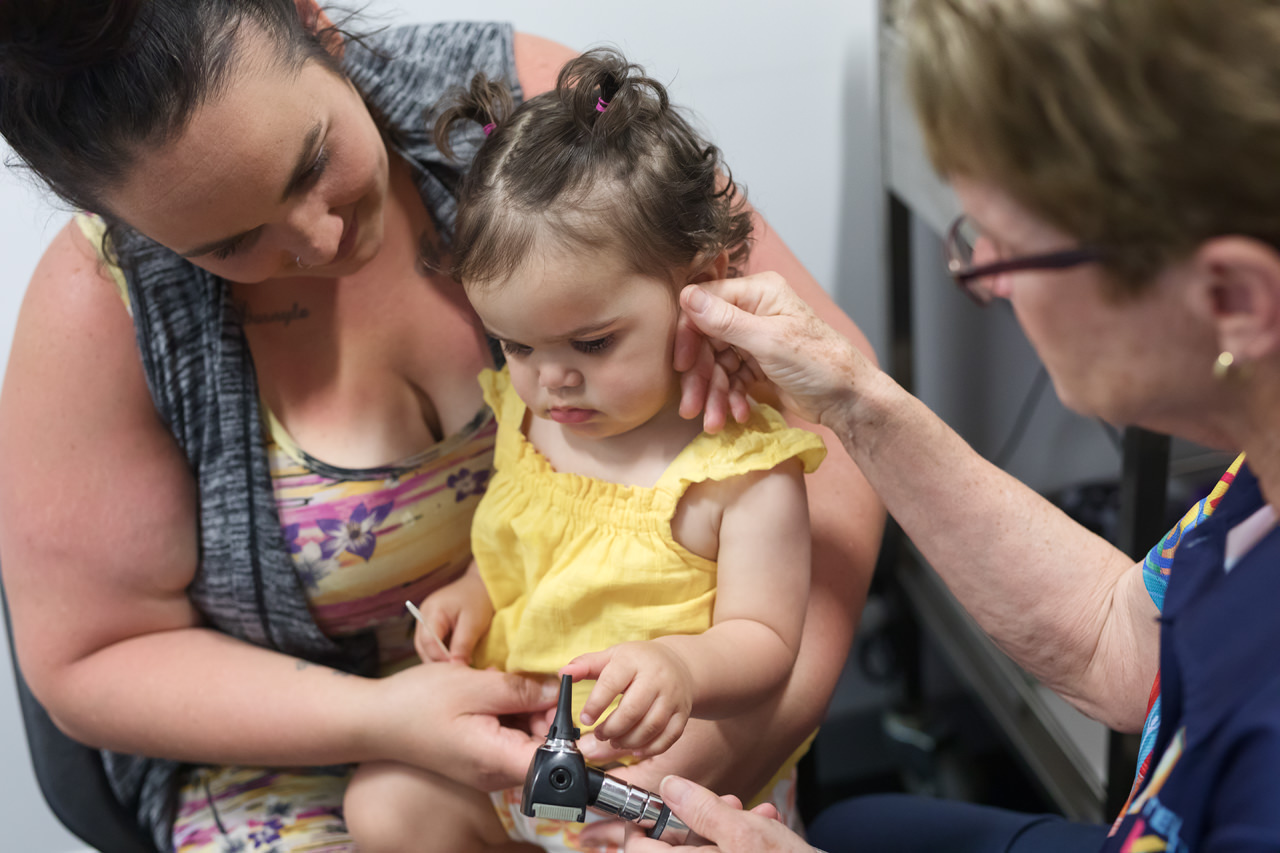
Researchers from The Kids Research Institute Australia have been awarded a $1.1 million NHMRC ‘Targeted Call for Hearing Health’ grant to conduct the first ever study following Aboriginal babies from birth through to five years to uncover the true prevalence of middle ear infections and hearing loss.
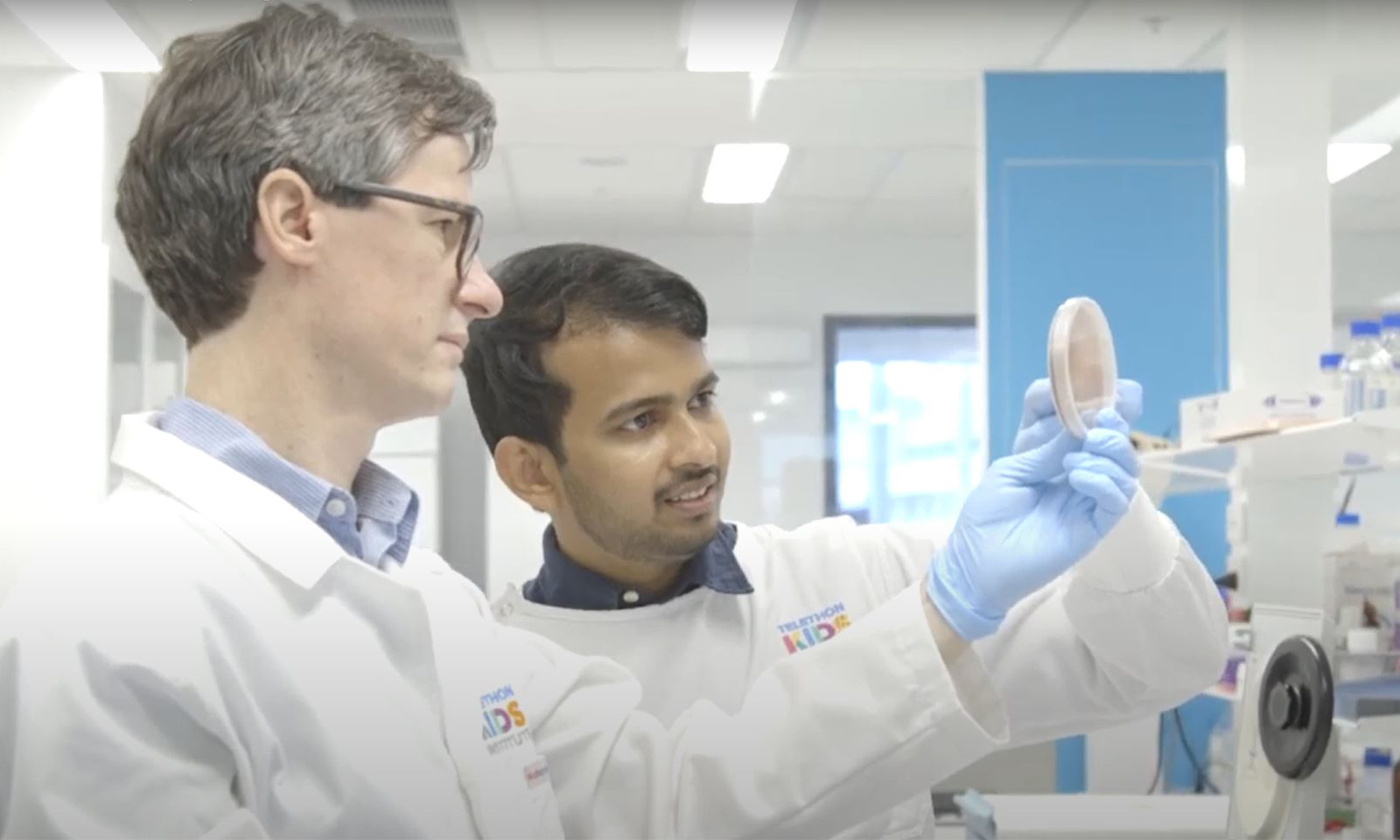
Australian researchers have uncovered a new form of antimicrobial resistance (AMR) – undetectable using traditional laboratory testing methods – in a discovery set to challenge existing efforts to monitor and tackle one of the world’s greatest health threats.
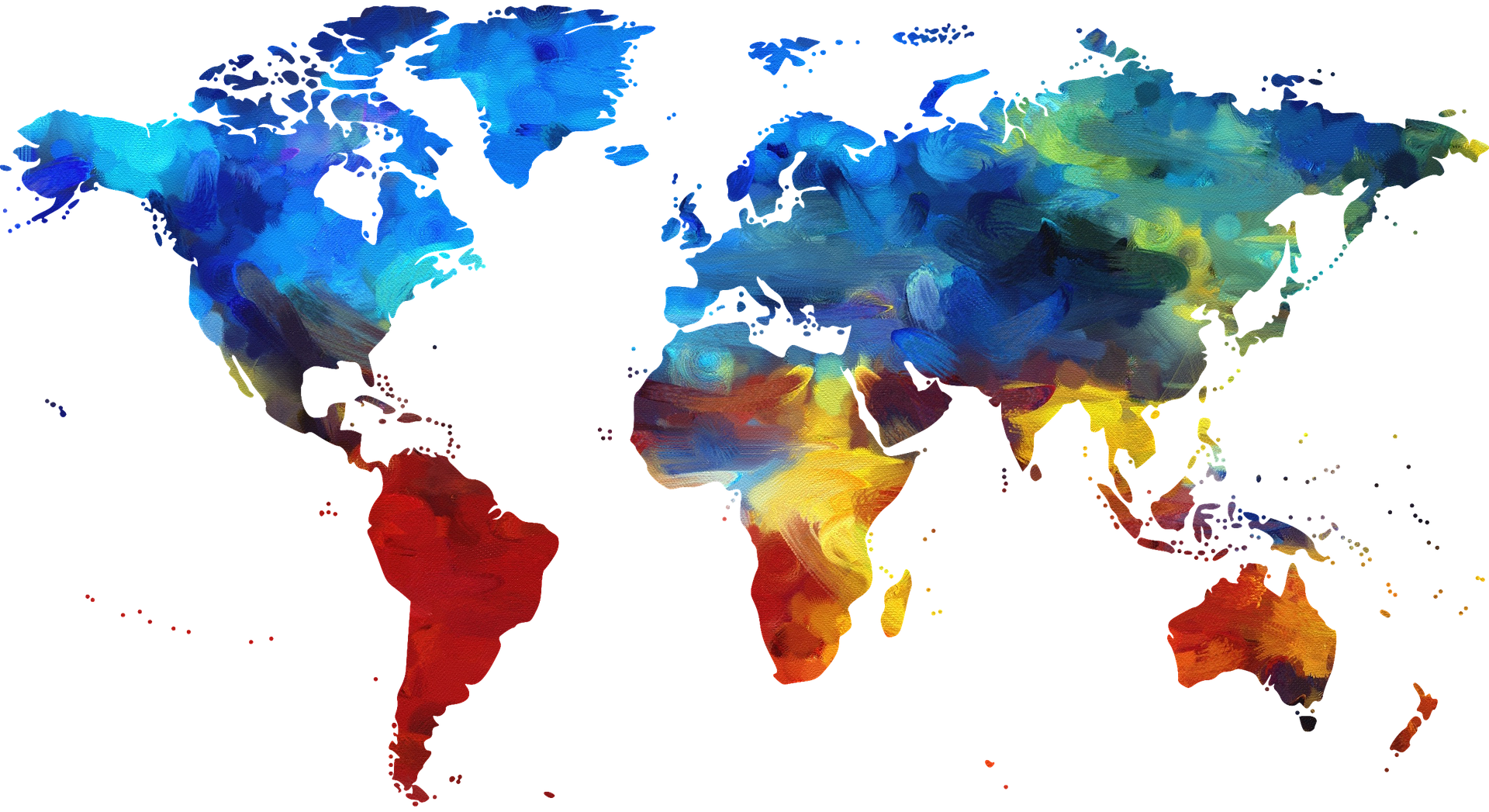
A global consortium of Group A Streptococcus (Strep A) researchers has launched a series of best practice surveillance protocols designed to unite international research efforts for a world-first Strep A vaccine.
RSV Update
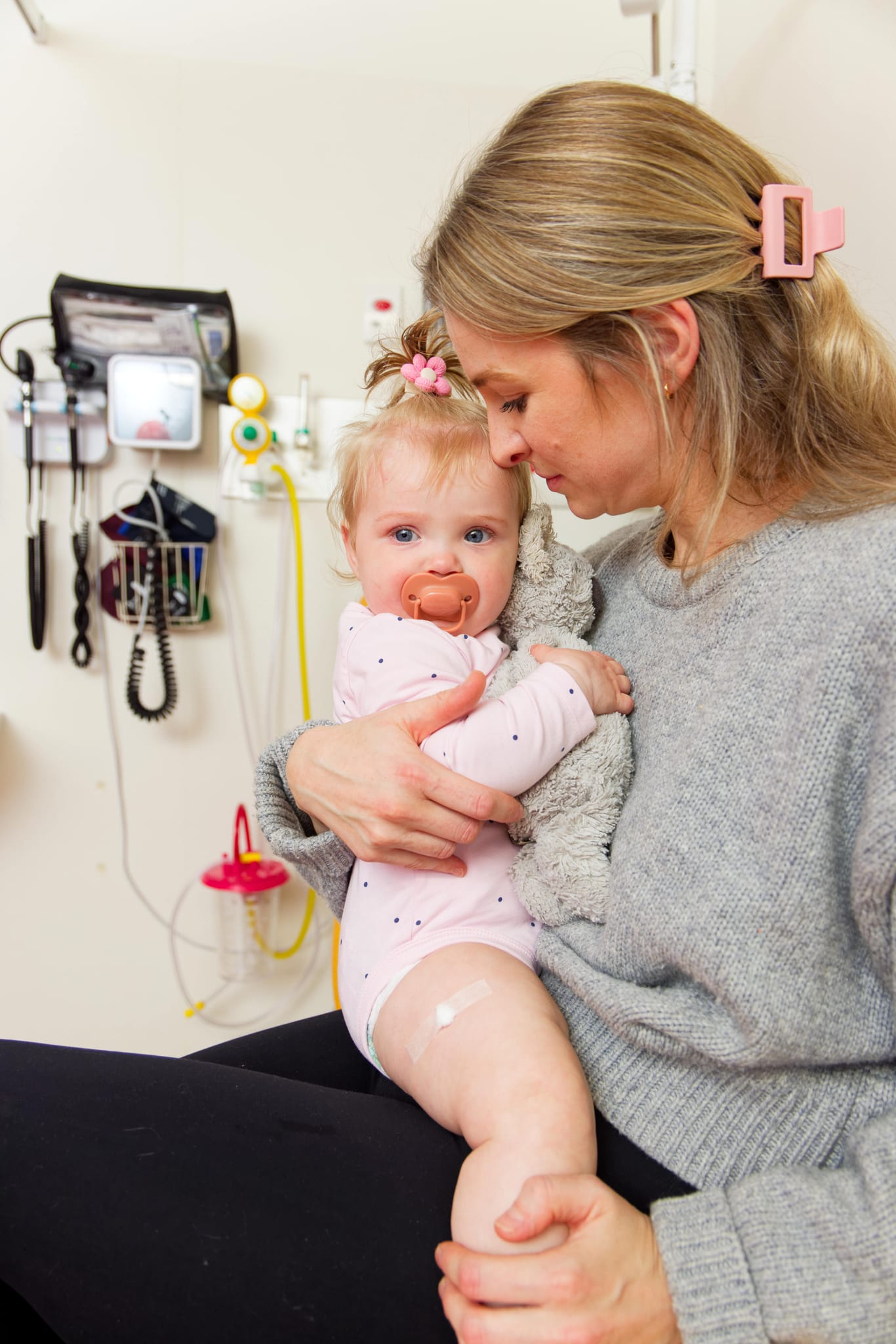
A life-saving meningococcal vaccine covering all five common strains of the deadly disease could soon be available thanks to vital research demonstrating the safety and effectiveness of a combination Men ABCWY vaccine.

We are pleased to announce latest recipients of the Stan and Jean Perron Awards, that recognise the work of exceptional postgraduate students who are undertaking their research projects at The Kids Research Institute Australia.
Ingestion of prebiotics during pregnancy and lactation may have immunomodulatory benefits for the developing fetal and infant immune system and provide a potential dietary strategy to reduce the risk of allergic diseases. We sought to determine whether maternal supplementation with dietary prebiotics reduces the risk of allergic outcomes in infants with hereditary risk.