
Search
News & Events
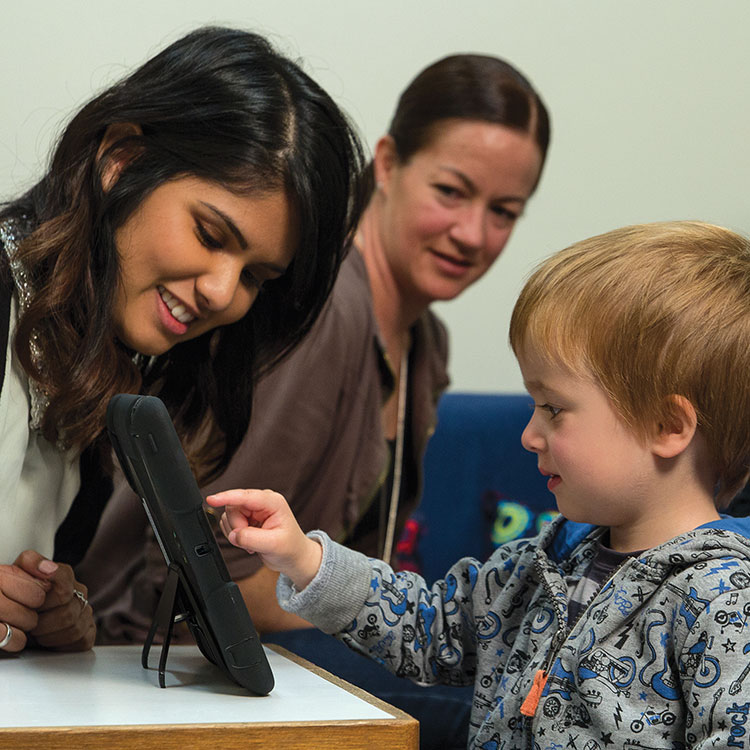
Children with autism may benefit from app-based therapiesA The Kids Research Institute Australia study has shown that in addition to intervention with trained therapists, children with autism may benefit from app-based therapies.
News & Events
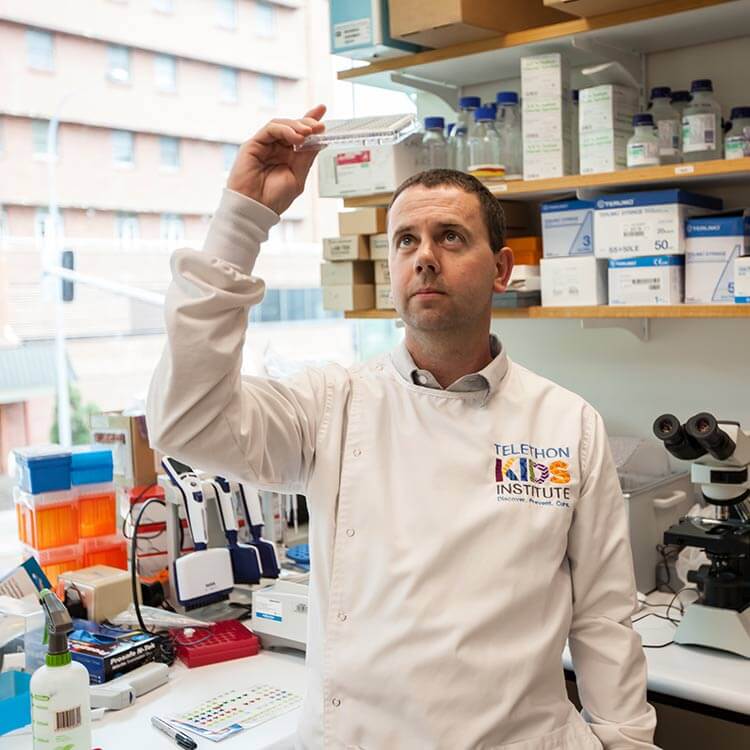
Funding boost to melanoma researchA The Kids Research Institute Australia researcher will investigate new ways to harness the body’s own immune system to fight melanoma, thanks to Cancer Council WA funding.
News & Events
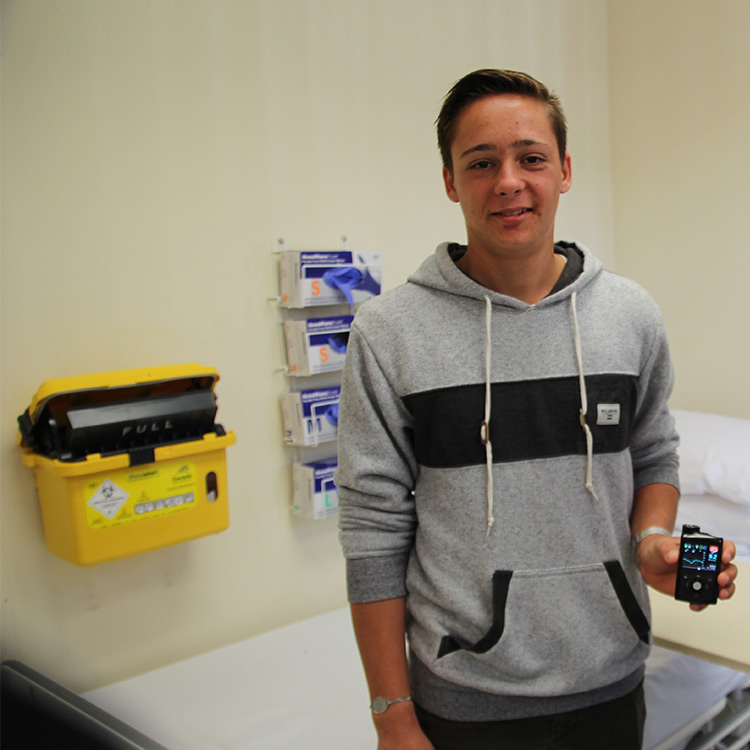
Local researchers lead biggest ‘artificial pancreas’ outpatient studyThe Children’s Diabetes Centre at The Kids Research Institute Australia is leading the longest and largest at-home trial of a hybrid closed-loop insulin pump system.
News & Events
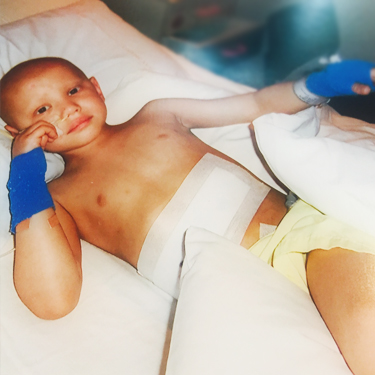
Childhood cancer story: How Rennae's child's cancer diagnosis affected her familyRennae's son Samuel was diagnosed with stage 4 neuroblastoma 13 years ago, and was originally given a 20% chance of survival. She bravely shares their story.

News & Events
Study shows e-cigarettes can harm lungsA study led by researchers at The Kids Research Institute Australia has shown that electronic cigarettes can cause lung damage.
News & Events
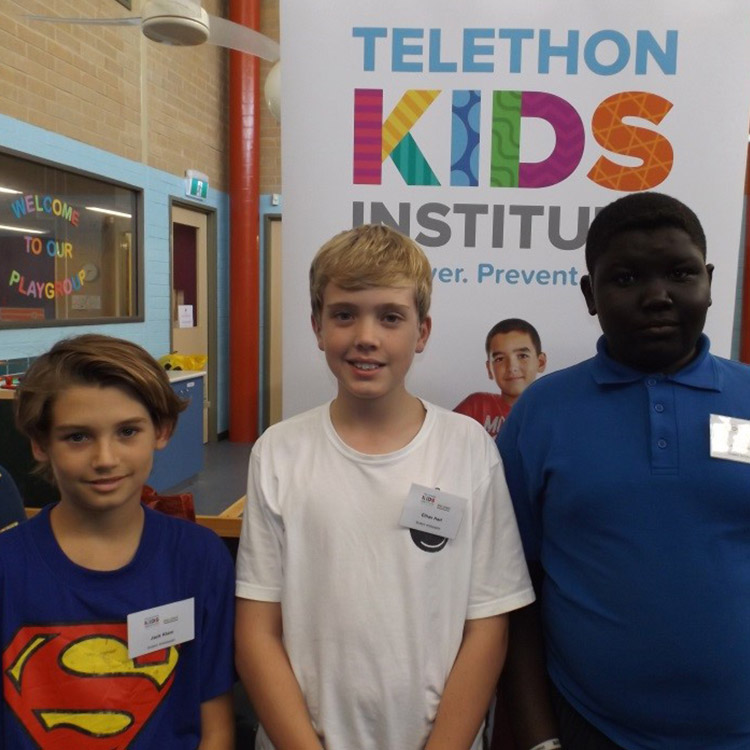
Project helps Ethan belongEthan recently took part in Belong, a study led by The Kids which aims to ensure deaf and hard of hearing kids have a happy & positive school experience
News & Events
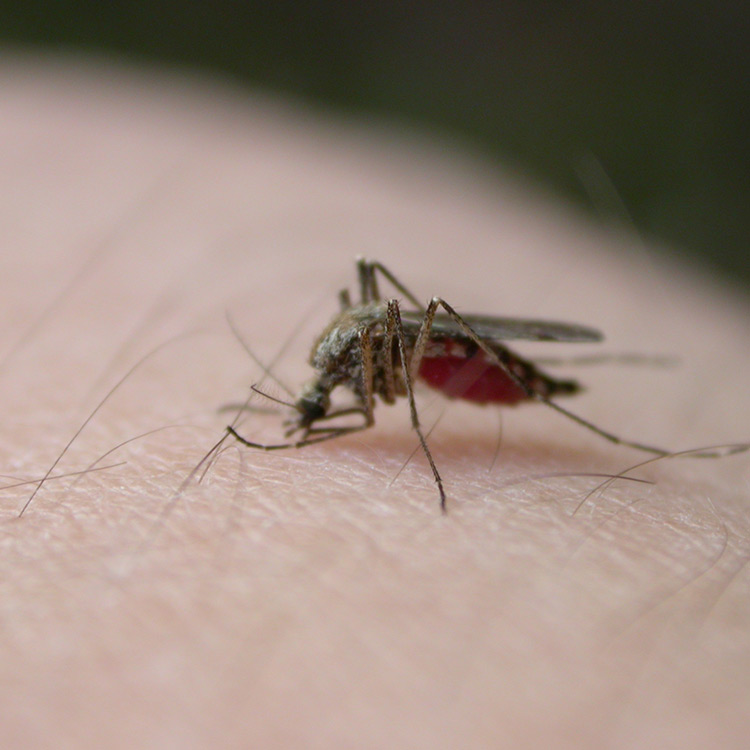
Zika threat leads to Australian-first microcephaly studyWA Researchers have conducted an Australian-first study to determine the prevalence of microcephaly, in preparation of any future outbreak of the Zika virus.
News & Events
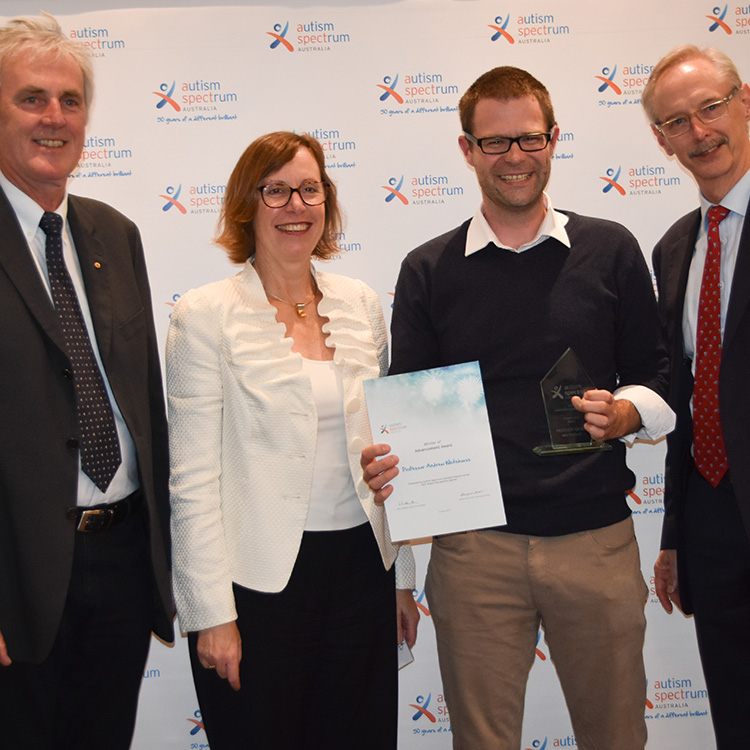
Autism researcher wins accolade for science videosProfessor Andrew Whitehouse has been awarded an Autism Spectrum Australia Recognition Award for his work communicating scientific findings to families.

News & Events
Event: An Evening With Cystic Fibrosis ScientistsJoin us for an annual research update from WA cystic fibrosis researchers.Find out the latest research findings in Cystic Fibrosis.

News & Events
8 tips to raise happy kidsAll parents want their children to be happy. But in our rapidly changing modern world what does that actually mean? Prof. Stephen Zubrick provides his top tips.