
Search
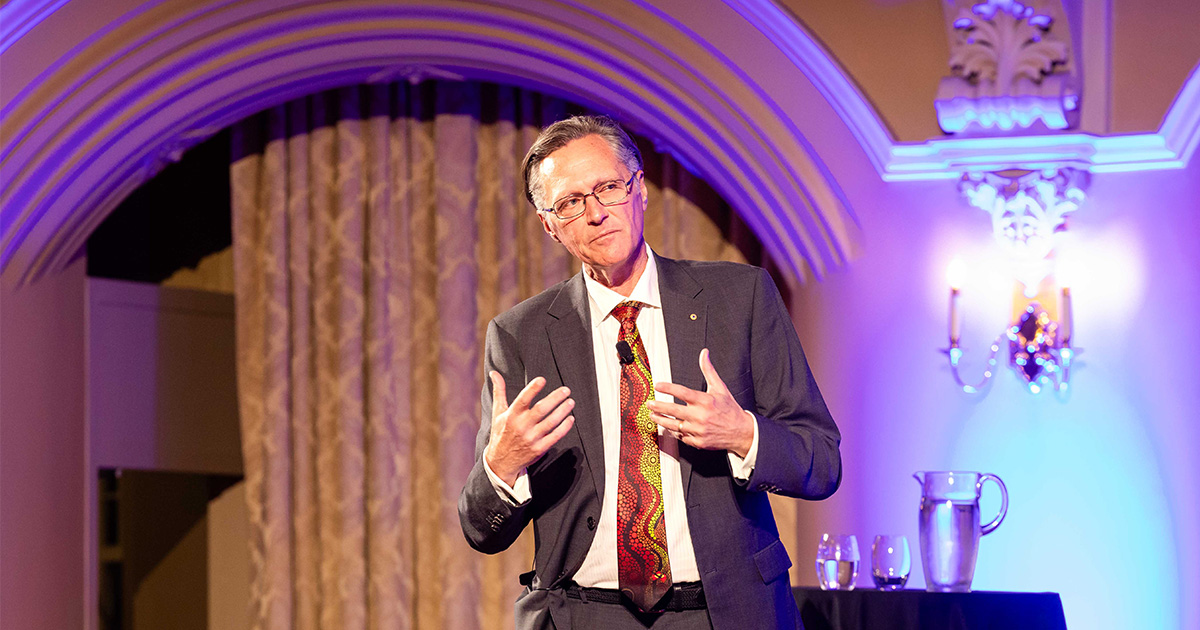
In Perth, The Kids Research Institute Australia is spearheading global efforts to tackle this insidious bacterium and reduce its impact on kids’ health.
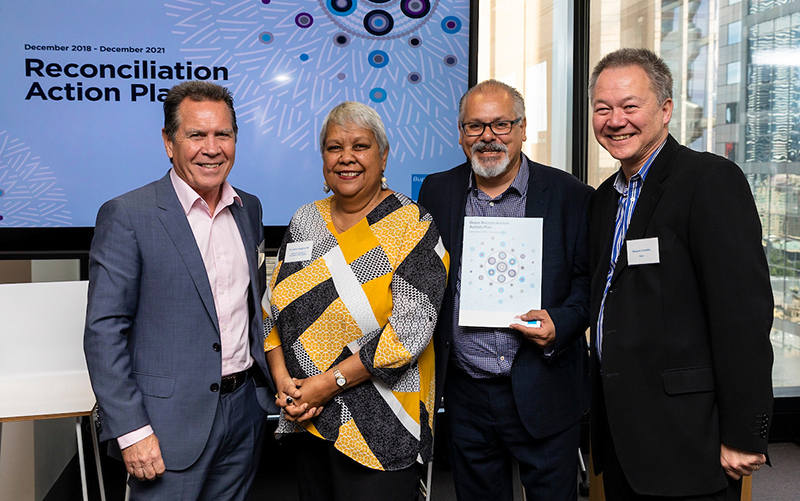
Researchers will extend a unique community-led project to end rheumatic heart disease in Aboriginal communities, thanks to nearly half a million dollars in funding from Bupa.
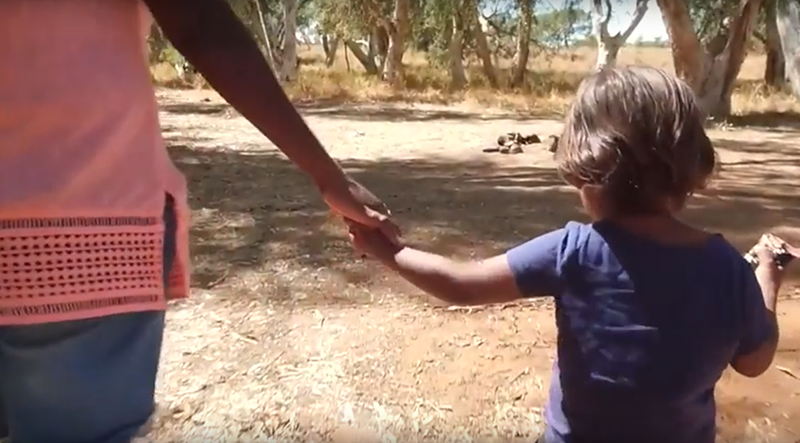
A new report predicts rheumatic heart disease (RHD) will lead to over 500 preventable deaths and cost the Australian health system $317 million by 2031 if no further action to tackle the disease is taken.
A first-of-its-kind national study looking at the optimal COVID-19 vaccination strategies for children and adolescents is set to begin at Perth’s The Kids Research Institute Australia thanks to a $3.8 million funding injection from the Australian Government’s Medical Research Future Fund (MRFF).
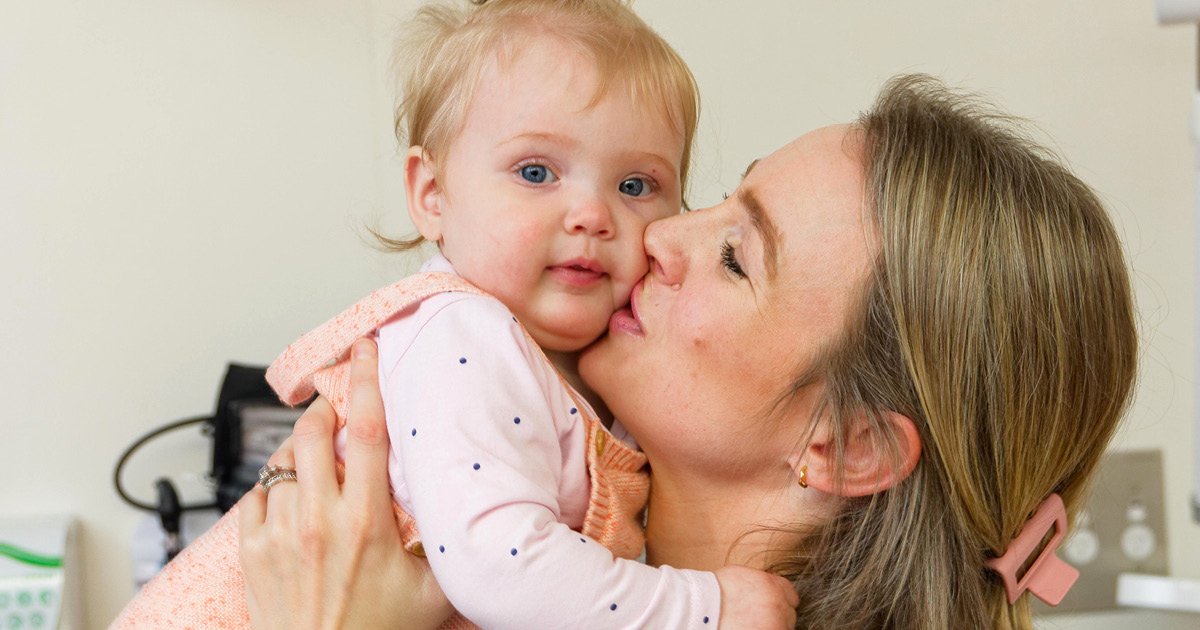
Prevention of respiratory syncytial virus (RSV) is now a real possibility thanks to the rollout of an immunisation program backed by a decade’s worth of epidemiological research led by The Kids Research Institute Australia.
On this Research Impact page, learn about our work that's actively translated as Government policy or in active practice. Learn how our research is making a difference in people's lives - not tomorrow, next week, or next year - but today!
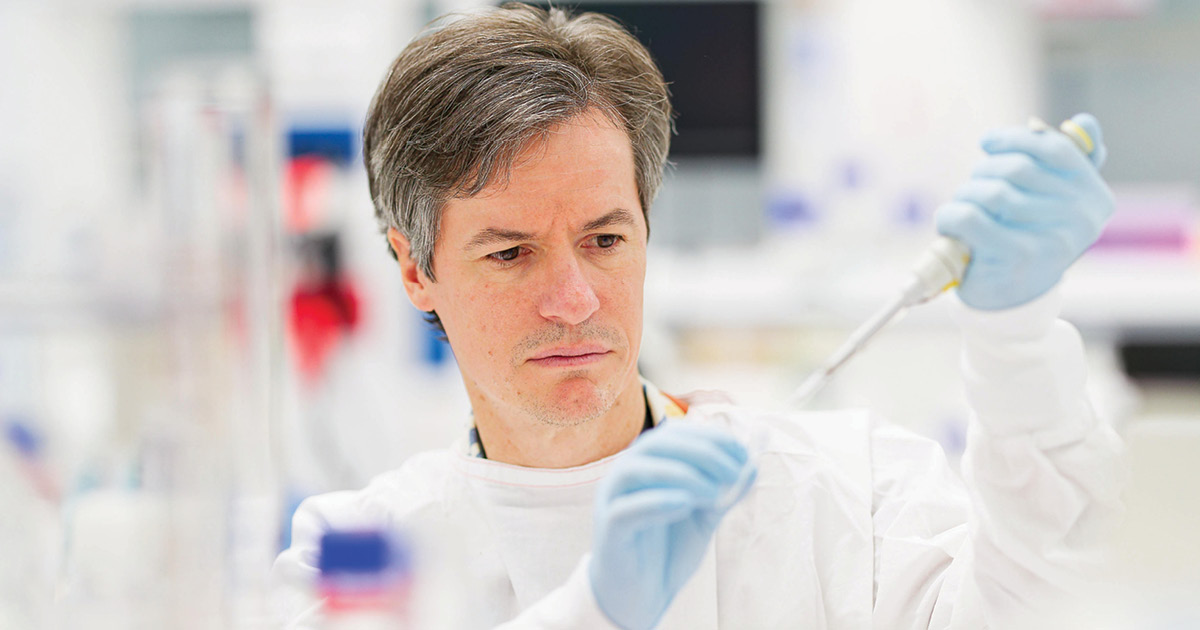
The Kids Research Institute Australia is playing a key role within a global team of experts whose work is transforming efforts to tackle a potentially deadly disease that disproportionately affects Aboriginal and Torres Strait Islander children in remote Australia.
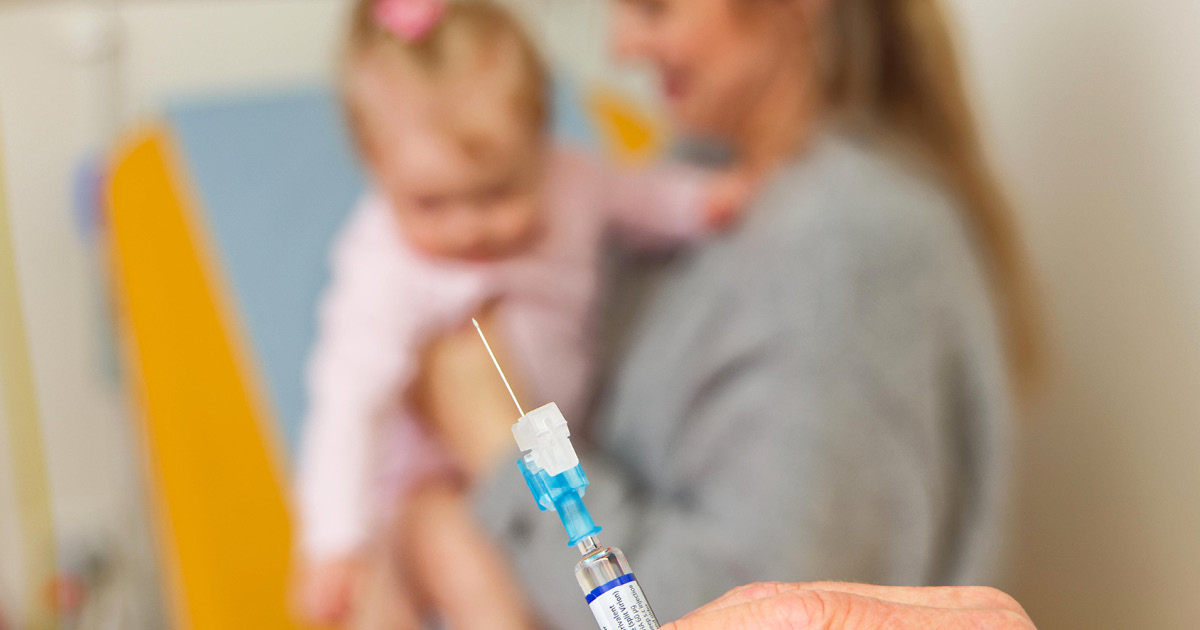
As a leading research site in Australia, the Wesfarmers Centre of Vaccines and Infectious Diseases played an instrumental role in the global effort to develop a world-first RSV immunisation for young babies.
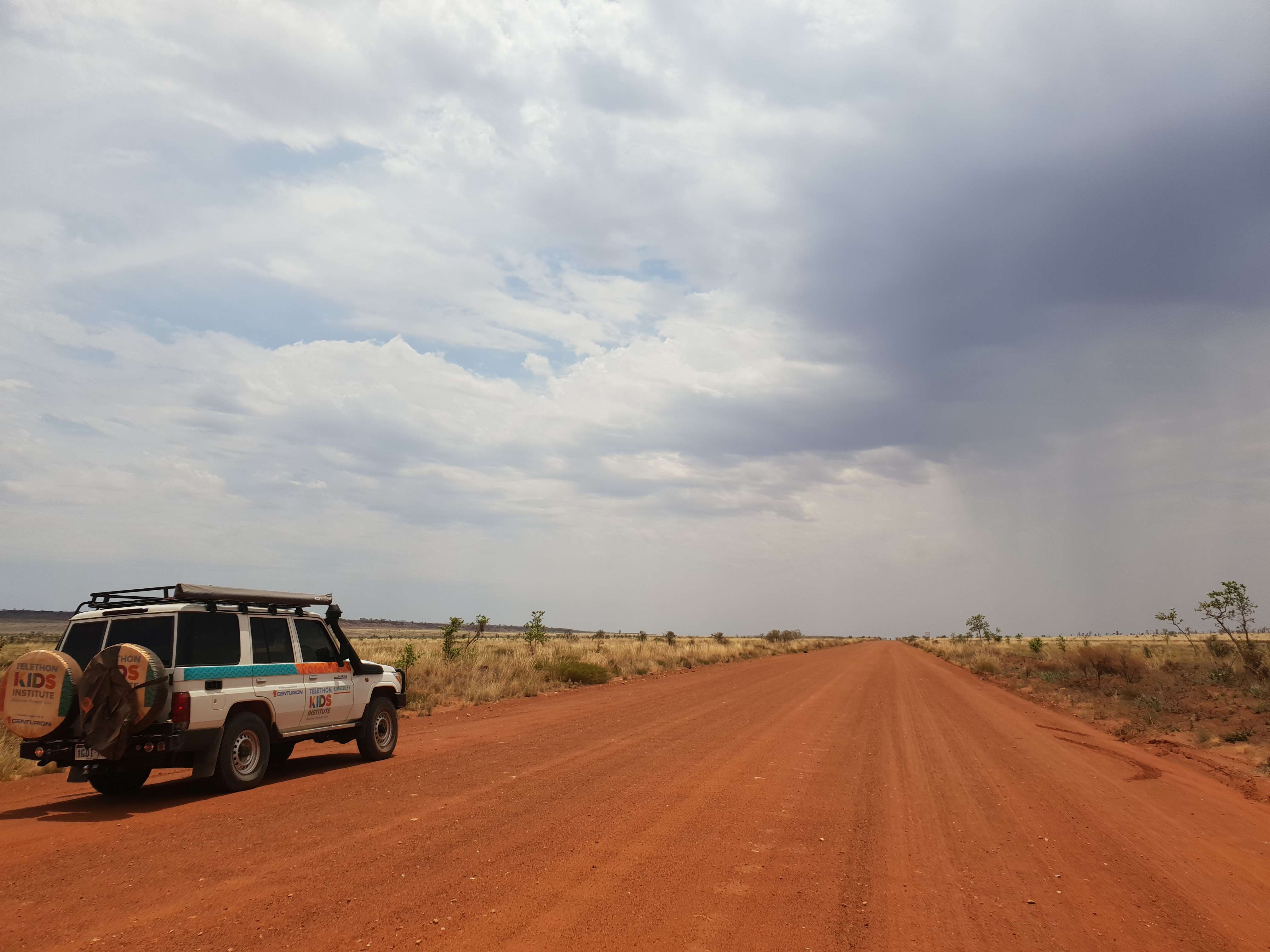
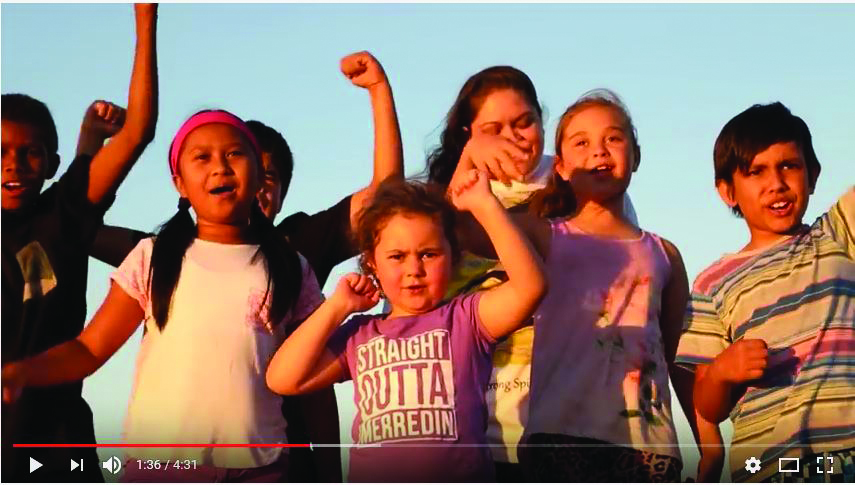
Led by The Kids Research Institute Australia and Aboriginal health organisations in close partnership with nine Aboriginal communities in Western Australia’s Kimberley region, the five-year SToP Trial set out to identify the best possible methods to See, Treat and Prevent painful skin sores and scabies.
An innovative program set to run for about two and a half years aims to halve the number of children affected by skin infections.