
Search

The Kids Research Institute Australia researchers have found a strong link between excessive internet use and increased levels of psychological distress, including suicidal t
The Kids Research Institute Australia, has welcomed the State Government's budget commitment to innovation and medical research.
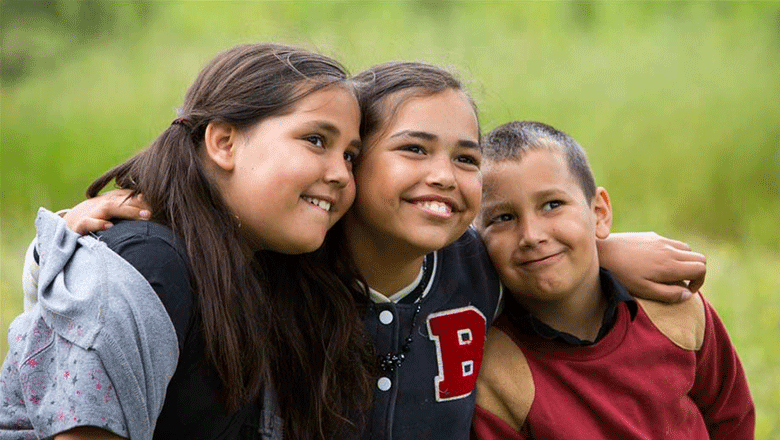
The Kids Research Institute Australia is pleased to announce its membership of Supply Nation, a leader in supplier diversity that works to connect Australian companies

Four The Kids Research Institute Australia researchers are among those who have received funding in the WA State Government's Merit Award Program announced today.
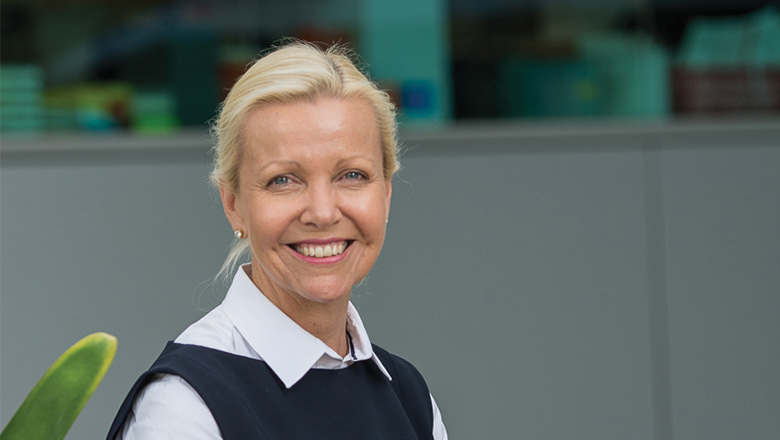
Leading child health researcher Professor Donna Cross has been appointed as Director of the new Early Childhood Development and Learning Collaboration, hosted b
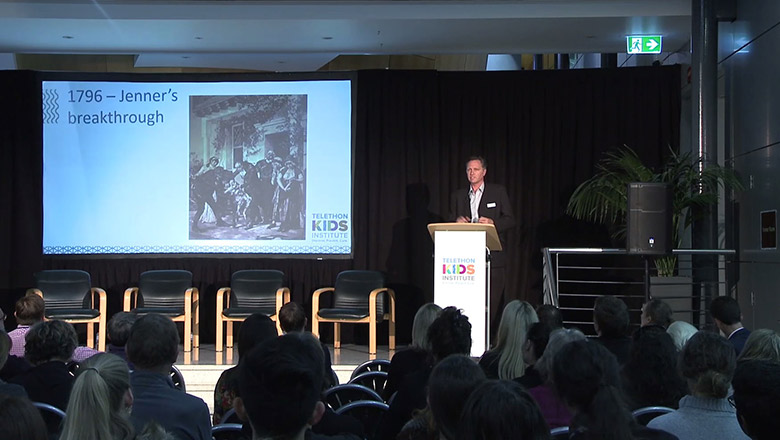
On Monday May 30, The Kids Research Institute Australia held a free public seminar on vaccination, hearing from paediatricians and infectious disease researchers.
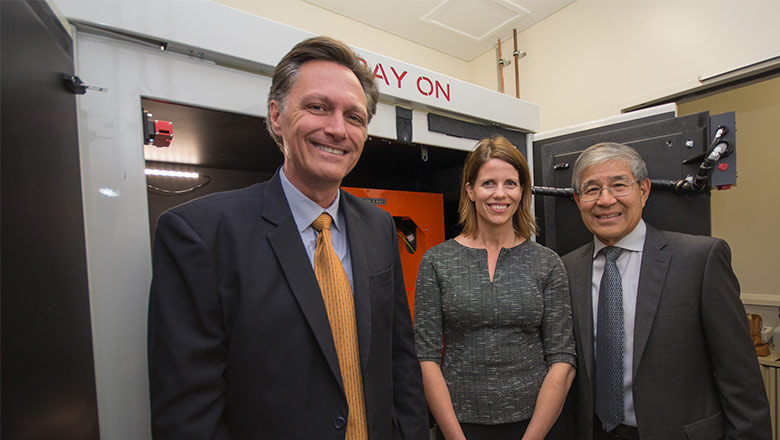
A new state-of-the-art X-RAD radiation platform - the first of its kind in Australia - has arrived in WA, allowing WA cancer researchers to access cutting edge
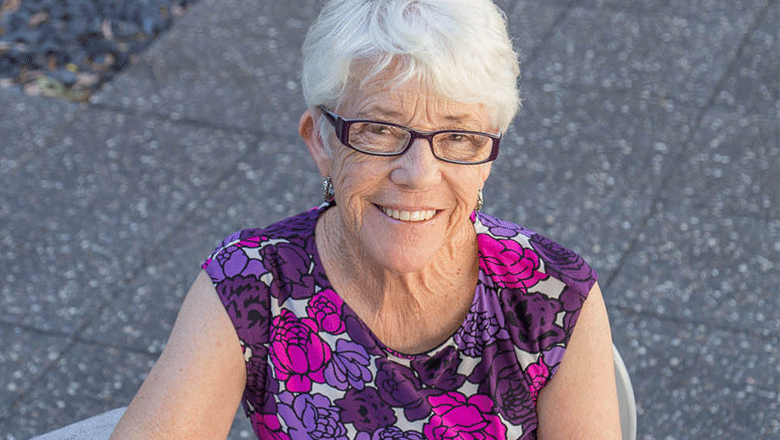
A $3.2 million grant from Lotterywest will allow the highly successful Consumer Involvement Program to be expanded to 18 other WA organisations.
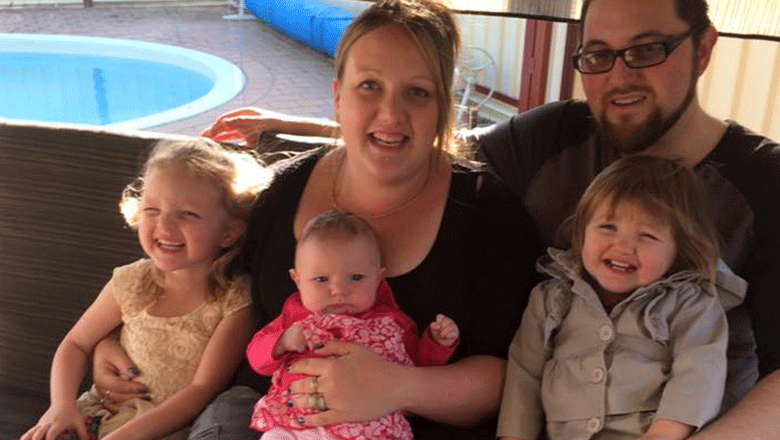
The Kids Research Institute Australia researchers are offering a free nutrition and lifestyle program for plus sized mums and their babies who live in the Joondalup area.
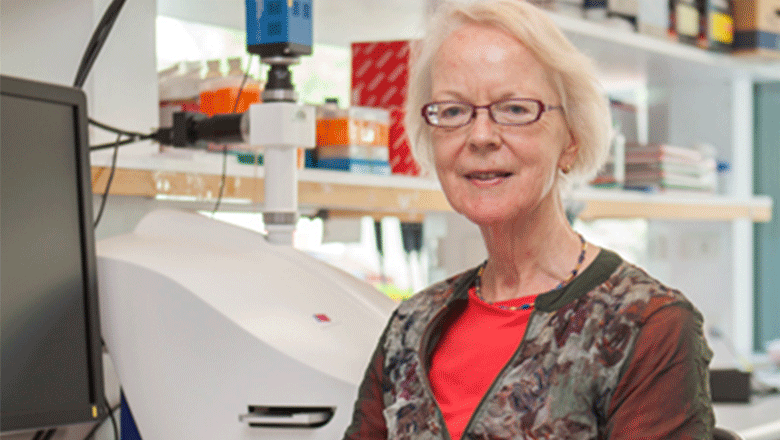
Researchers at The Kids Research Institute Australia have discovered a new drug combination that could help improve survival rates for babies with leukaemia.