
Search
Laurence Rishi S. Sébastien Cheung Kotecha Malinge BPharm (Hons) MBA PhD MB ChB (Hons) MRCPCH FRACP PhD PhD Co-Head, Leukaemia Translational Research
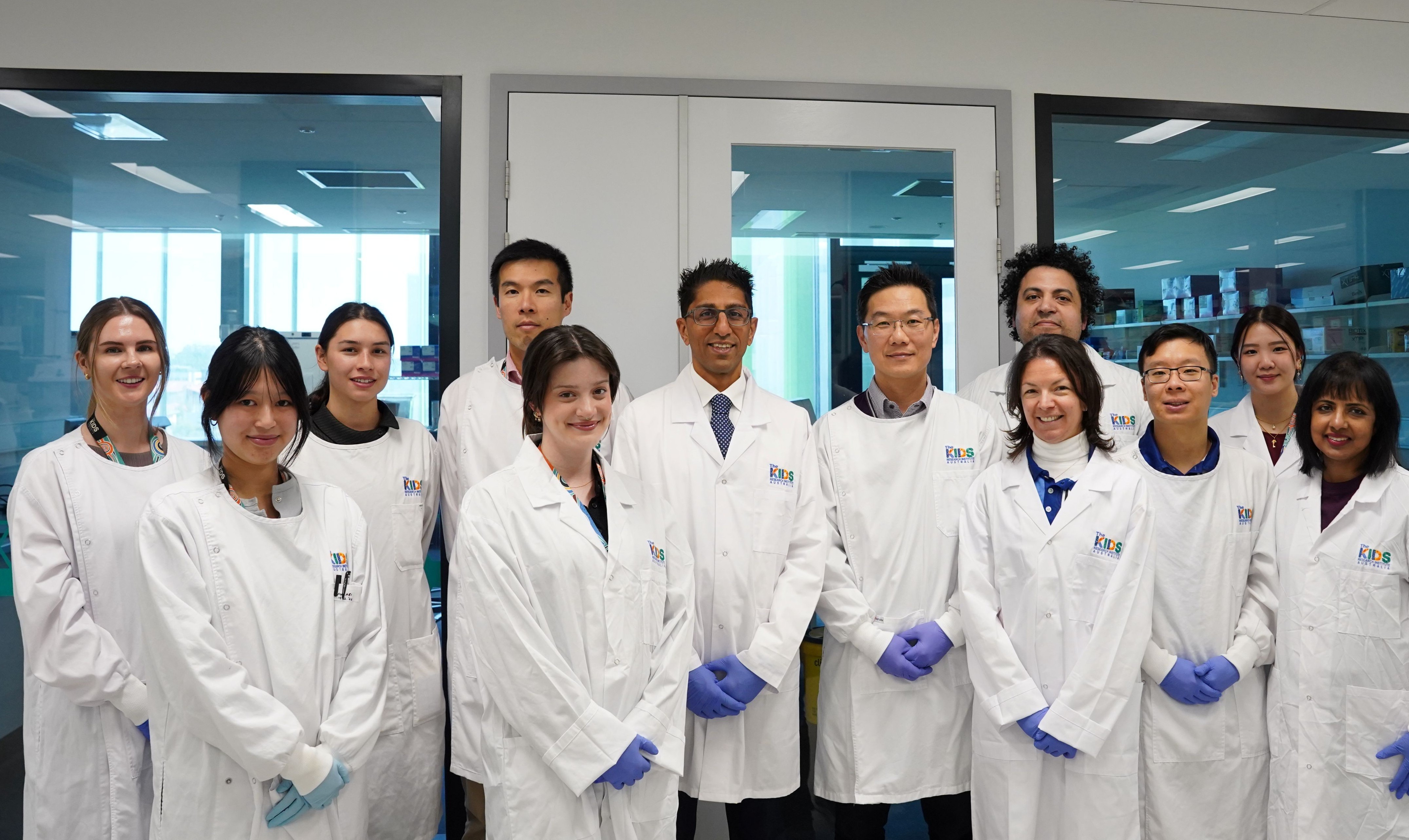
The main aim of our Leukaemia Translational Research Team is to test innovative therapeutic approaches, with a focus on clinical translation of this knowledge, to improve the outcomes of children suffering from leukaemia.
Asparaginase is a critical component of modern multi-agent chemotherapy regimens for paediatric acute lymphoblastic leukaemia and lymphoblastic lymphoma, with inadequate exposure leading to inferior patient outcomes.
KMT2A-rearranged acute lymphoblastic leukaemia (ALL) represents a high risk subtype of childhood ALL. Historical treatment strategies have comprised of intensification with conventional chemotherapy. However, outcomes have remained consistently poor compared to the advances that have been seen for other ALL subtypes, particularly for infants diagnosed before their first birthday
In pediatric cancer precision medicine clinical trials settings, parents proactively seeking treatment and answers to causation may request return of their child's raw data and/or biospecimen. To satisfy such requests, the ZERO Childhood Cancer Program required a guidance document.
Nick Rishi S. Laurence Sung Gottardo Kotecha Cheung Chiu MBChB FRACP PhD MB ChB (Hons) MRCPCH FRACP PhD BPharm (Hons) MBA PhD MBBS FRACP FRCPA PhD
In vitro liver models combined with metabolomics approaches offer promising alternatives to animal testing in toxicology. In this study, we investigated concentration-dependent effects of hydrogen peroxide on the intra- and extracellular metabolome of HepG2 cells using 1H Nuclear Magnetic Resonance spectroscopy.
Systemic Epstein-Barr virus-positive T-cell lymphoma of childhood (STCLC) is a rare and highly aggressive malignancy with a dismal prognosis and no standard curative treatment. This report describes the first reported case of STCLC in a White child who, after experiencing failure with intensive chemotherapy regimens, achieved a complete response following targeted immunotherapy.
Hematopoietic stem cells are defined by their remarkable self-renewal and differentiation capacities, giving rise to progenitors that generate diverse blood and immune cell lineages through the tightly regulated process of hematopoiesis. This process is governed by key transcription factors that control gene expression programs essential for cellular homeostasis, differentiation, and lineage commitment.
Invasive fungal disease is a common and important complication in children with acute myeloid leukaemia (AML). We describe the epidemiology of IFD in a large multicentre cohort of children with AML.