
Search
This study aimed to systematically review the literature on the associations between birth spacing and developmental outcomes in early childhood (3–10 years of age). Studies examining the associations between interpregnancy intervals and child development outcomes during and beyond the perinatal period have not been systematically reviewed.
Citation: Wang KCW, James AL. Small for gestational age at term and adult lung function. Respirology. 2023:28(2);99-100 Keywords: Paediatrics;
In 2021 the South Australian Department for Education commissioned The Kids Research Institute Australia to undertake a review of the Hearing Impairment Support Program (HISP).
In 2016, the Australian Centre for Child Protection (ACCP) and The Kids Research Institute Australia (The Kids) were engaged to evaluate the implementation and impact of Triple P in South Australia.
The Department for Education commissioned this report to understand how such gender differences in early childhood may influence outcomes later in life.
Recent evidence indicates that a child’s home learning environment is the strongest predictor of success in later reading abilities and that for children not receiving structured language and reading support at home.
Yasmin Harman-Smith BA, BHlthSc(Hons), MTeach(Primary), PhD Head, Early Years Systems Evidence Yasmin.harman-smith@thekids.org.au Head, Early Years
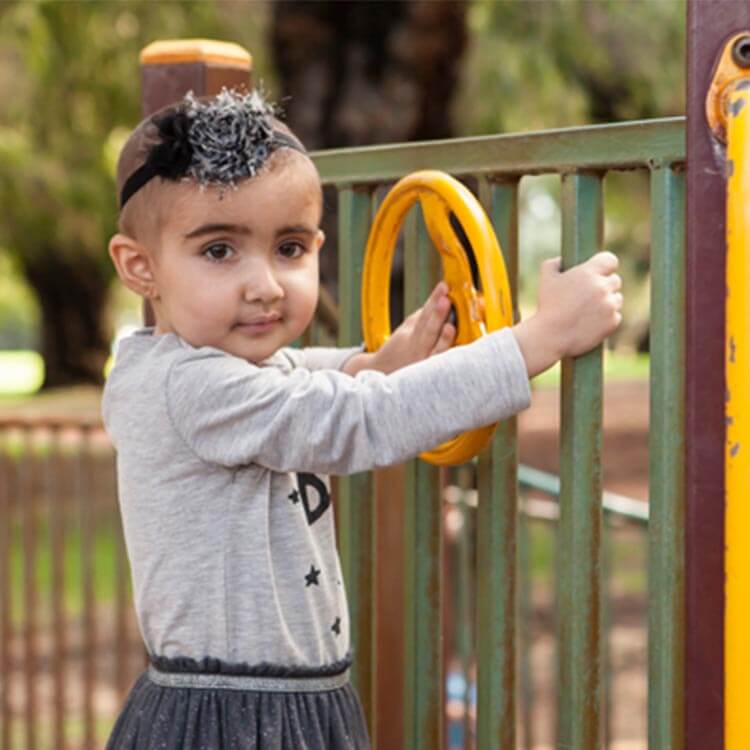
This evaluation explored the facilitators & barriers that influence Community Playgroup attendance, and the impact of attending playgroups on child development.
This project uses longitudinal population data provided through the Developmental Pathways in WA Children Project (Developmental Pathways Project).
We know that place, location, and geography can all influence health, wellbeing, and disease, and thus are important factors in policy development and service planning.