
Search
We report the isolation of a bacteriophage with obligately lytic activity against Pseudomonas aeruginosa from wastewater. The reported phage, Minga-mokiny 4, appears to belong to the Schitoviridae family, is of the Litunavirus genus, and has a 72,362-bp genome. No known genes associated with lysogeny, bacterial resistance, or virulence were predicted.
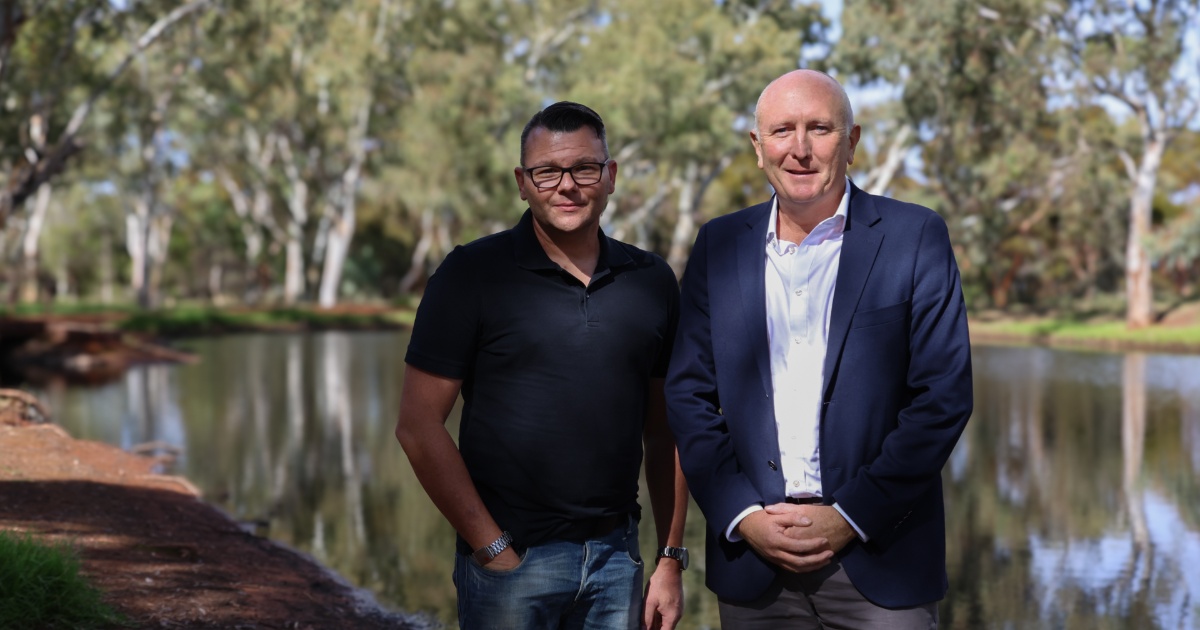
Scientists at The Kids Research Institute Australia are taking their fight against antibiotic- resistant superbugs to the Goldfields working alongside local Indigenous communities and councils.

Dr Renee Ng, a microbiologist specialising in bacteriophage therapy – an alternative to antibiotics to fight antimicrobial resistance – will travel to the world’s premier conference on viruses, bringing new ideas, connections and expertise back to Perth.

Wal-yan researchers have been awarded $500,000 for their innovative research, supported by the Western Australian Government’s Future Health Medical Research and Innovation (FHRI) Fund.
Given the rise of multidrug-resistant (MDR) Pseudomonas aeruginosa infections, alternative treatments are needed. Anti-pseudomonal phage therapy shows promise, but its clinical application is limited due to the development of resistance and a lack of biofilm penetration.
Bacteriophages (phages) are viruses that selectively kill bacteria and offer a promising option to address the growing global pandemic of antimicrobial-resistant infections. However, phage therapy does not easily align with traditional regulatory pathways designed for fixed-composition chemical drugs or biologics with fixed non-evolving compositions.

Two researchers from The Kids Research Institute Australia’s Wal-yan Respiratory Research Centre have secured lucrative fellowships to advance cutting-edge phage therapy research for people living with cystic fibrosis (CF).
This study aimed to characterise bacteriophages for potential therapeutic use against Staphylococcus aureus, focusing on clinical respiratory isolates of methicillin-sensitive (MSSA) and methicillin-resistant (MRSA) strains. Specifically, it sought to evaluate phage lytic activity, host range, stability, biofilm disruption capabilities, and overall safety for therapeutic use.