
Search
The generous support of West Australians through Channel 7’s Telethon Trust will help support crucial child health research at The Kids Research Institute Australia in 2022.
Latest news & events at the Wesfarmers Centre of Vaccines & Infectious Diseases.
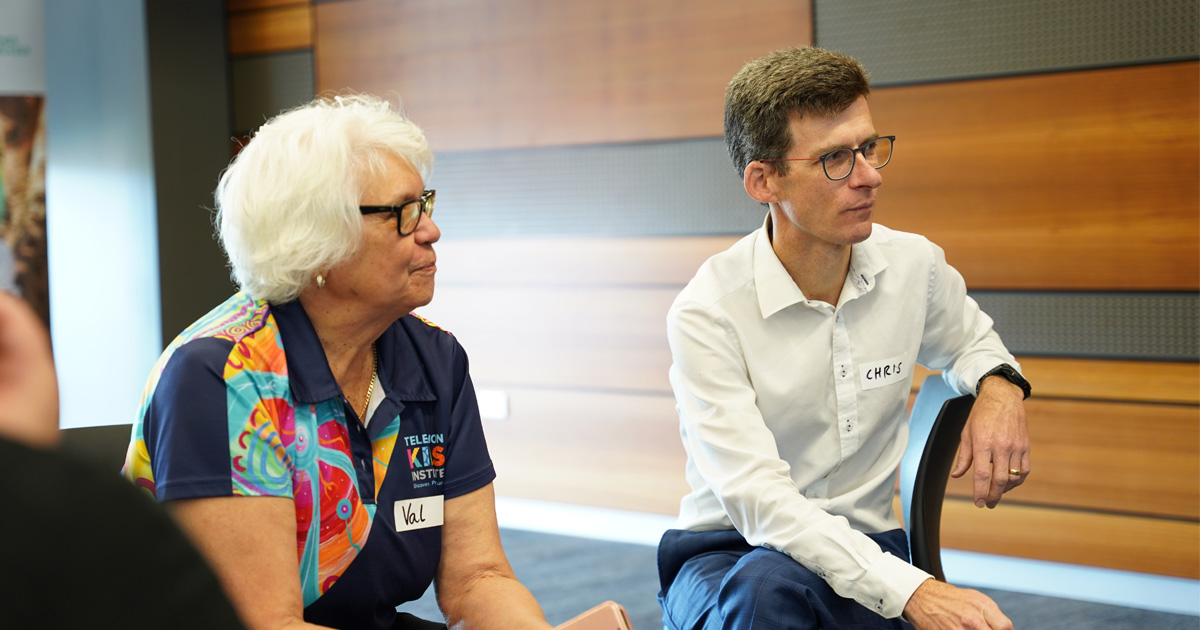
Researchers from the Wesfarmers Centre of Vaccines and Infectious Diseases at The Kids Research Institute Australia have shared their expertise with the community in Cockburn, covering topics ranging from respiratory disease in babies to recurring ear infections in kids.
Clinical Professor Tobias Strunk, Dr Andrew Currie and their Neonatal Infection and Immunity Team have become the newest members of the Wesfarmers Centre of Vaccines and Infectious Diseases.
Recruitment in research can be challenging in Australian Aboriginal contexts. We aimed to evaluate the SToP (See, Treat, Prevent skin infections) trial recruitment approach for Aboriginal families to identify barriers and facilitators and understand the utility of the visual resource used.
A high burden of bacterial skin infections is well documented in remote-living Indigenous children and young people in high-income countries.
Impetigo or skin sores are estimated to affect >162 million people worldwide. Detailed descriptions of the anatomical location of skin sores are lacking.
Achieving healthy skin requires the prevention of infectious diseases that affect the skin. Prevention activities range from environmental health improvements to address inequities in living situations, through to community-wide treatment programs to reduce transmission and improve skin health.
Children spend almost one-third of their waking hours at school. Streptococcus pyogenes (Strep A) is a common childhood bacterial infection that can progress to causing serious disease. We aimed to detect Strep A in classrooms by using environmental settle plates and swabbing of high-touch surfaces in two remote schools in the Kimberley, Western Australia.
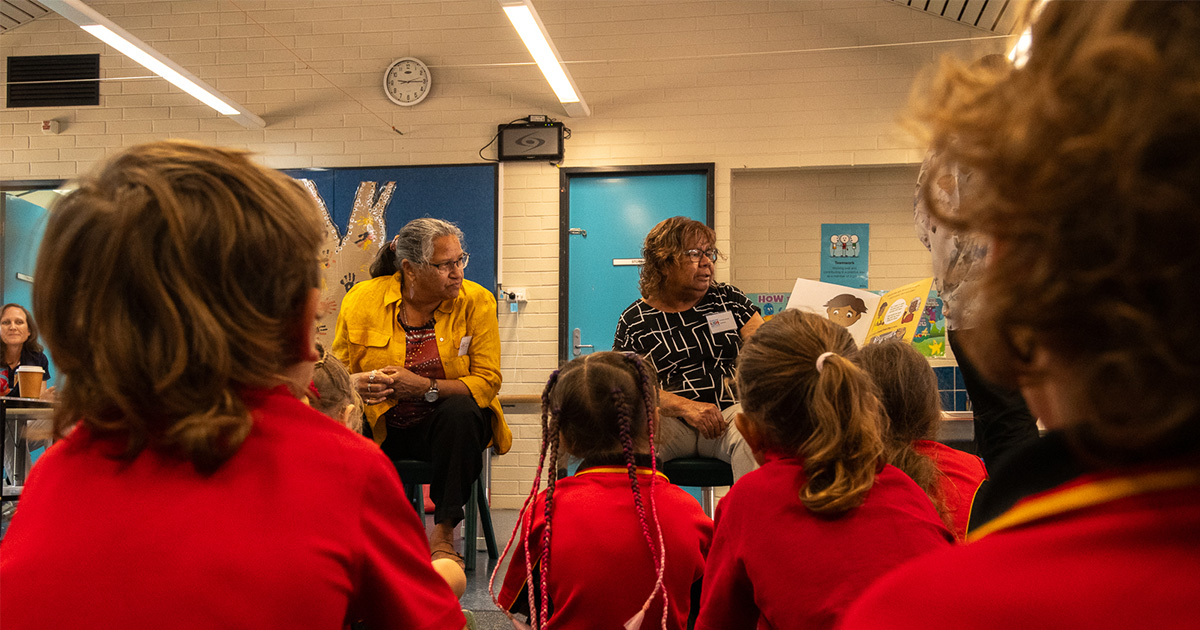
A children’s book – written by community, for community – has been launched in Western Australia’s south-west to help children and families understand more about one of the most common inflammatory skin conditions in children.