
Search
Sepsis is a significant cause of mortality for children in Australia, particularly affecting young children, those with pre-existing health conditions and Aboriginal and Torres Strait Islander populations. The transition from hospital to home can be challenging for survivors, often leaving long-term impacts unaddressed.
Impaired oxygen delivery or blood flow to the brain around the time of birth can cause injury. Hypoxic ischaemic encephalopathy is a leading cause of death and disability in term and near-term infants.
Clostridioides (Clostridium) difficile transmission between community and healthcare settings has been increasingly reported. We aimed to identify the prevalence and molecular epidemiology of C. difficile colonising adolescents and non-hospitalised children in Cambodia.
Physical activity is crucial for young children's health and development. Many young children do not meet the recommended 3 hours of daily physical activity, including 60 min of energetic play. Early childhood education and care (ECEC/childcare) is a key setting to intervene to improve children's physical activity. The Play Active programme is a scalable evidence-informed ECEC-specific physical activity policy intervention with implementation support strategies to improve educators' physical activity-related practices.
Sepsis, for children and their parents, is a life-altering illness with far-reaching psychosocial and physical impacts. We aimed to explore the needs of such patients and their parents after hospital admission for sepsis to inform the development of a Western Australian postsepsis care service.
Childhood dementias are a group of rare and ultra-rare paediatric conditions clinically characterised by enduring global decline in central nervous system function, associated with a progressive loss of developmentally acquired skills, quality of life and shortened life expectancy. Traditional research, service development and advocacy efforts have been fragmented due to a focus on individual disorders, or groups classified by specific mechanisms or molecular pathogenesis.
Equitable SARS-CoV-2 surveillance in low-resource communities lacking centralized sewers is critical as wastewater-based epidemiology (WBE) progresses. However, large-scale studies on SARS-CoV-2 detection in wastewater from low-and middle-income countries is limited because of economic and technical reasons.

The Kids Research Institute Australia supports calls from the Intergovernmental Panel on Climate Change (IPCC) for transformational action if we are to secure a liveable future.
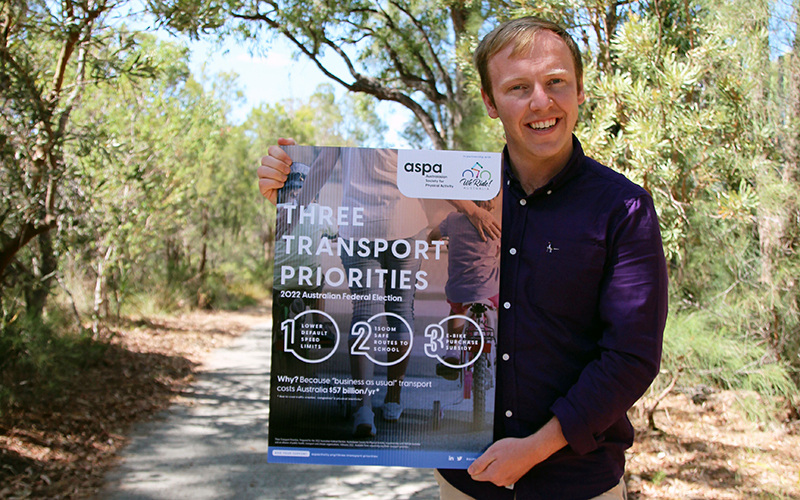
The Kids Research Institute Australia has backed a series of transport priorities to keep children safer on the roads, boost physical activity levels, and save the economy billions of dollars.
A new The Kids Research Institute Australia-led report into the impact of state and national policy on children’s health has called for kids and families to have more say when it comes