
Search
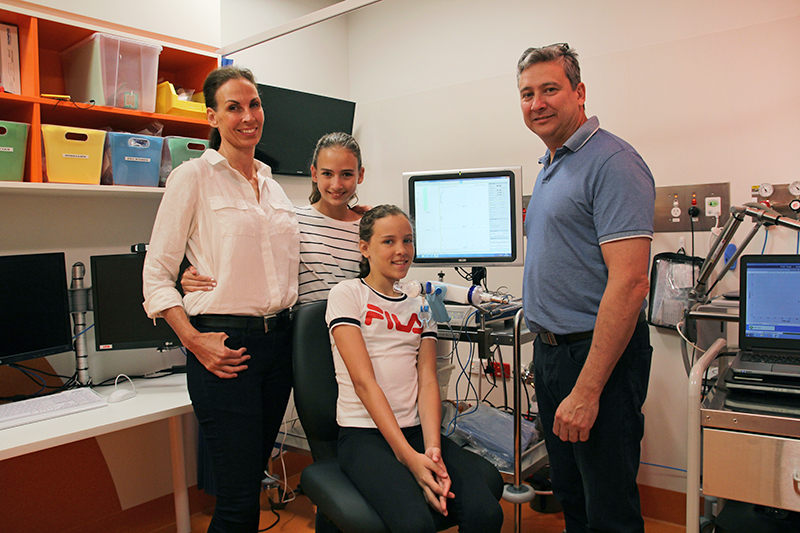
The family of two girls with cystic fibrosis are hopeful after The Kids Research Institute Australia spin-off company, Respirion, receives $20 million in funding to develop a promising new therapy.
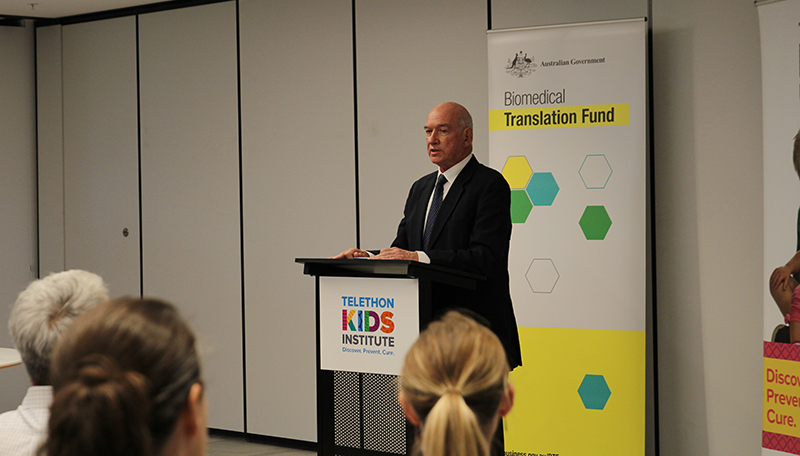
A The Kids Research Institute Australia spin-off company has received $20 million from the Medical Research Commercialisation Fund to develop a promising new therapy for the treatment of Cystic Fibrosis.
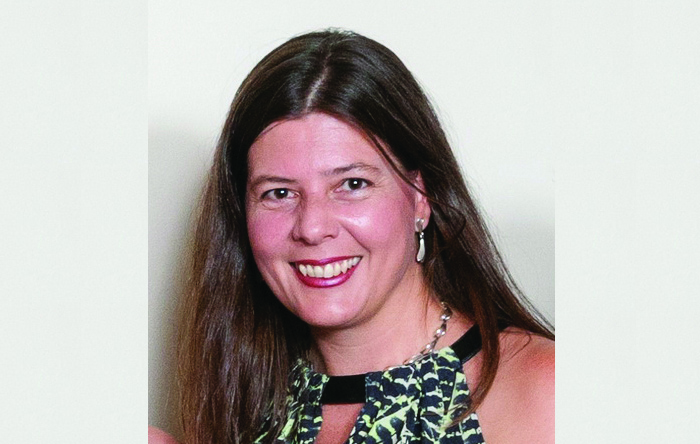
The Kids Research Institute Australia and UWA researcher Dr Sally Brinkman has been recognised with a national Research Excellence Award.
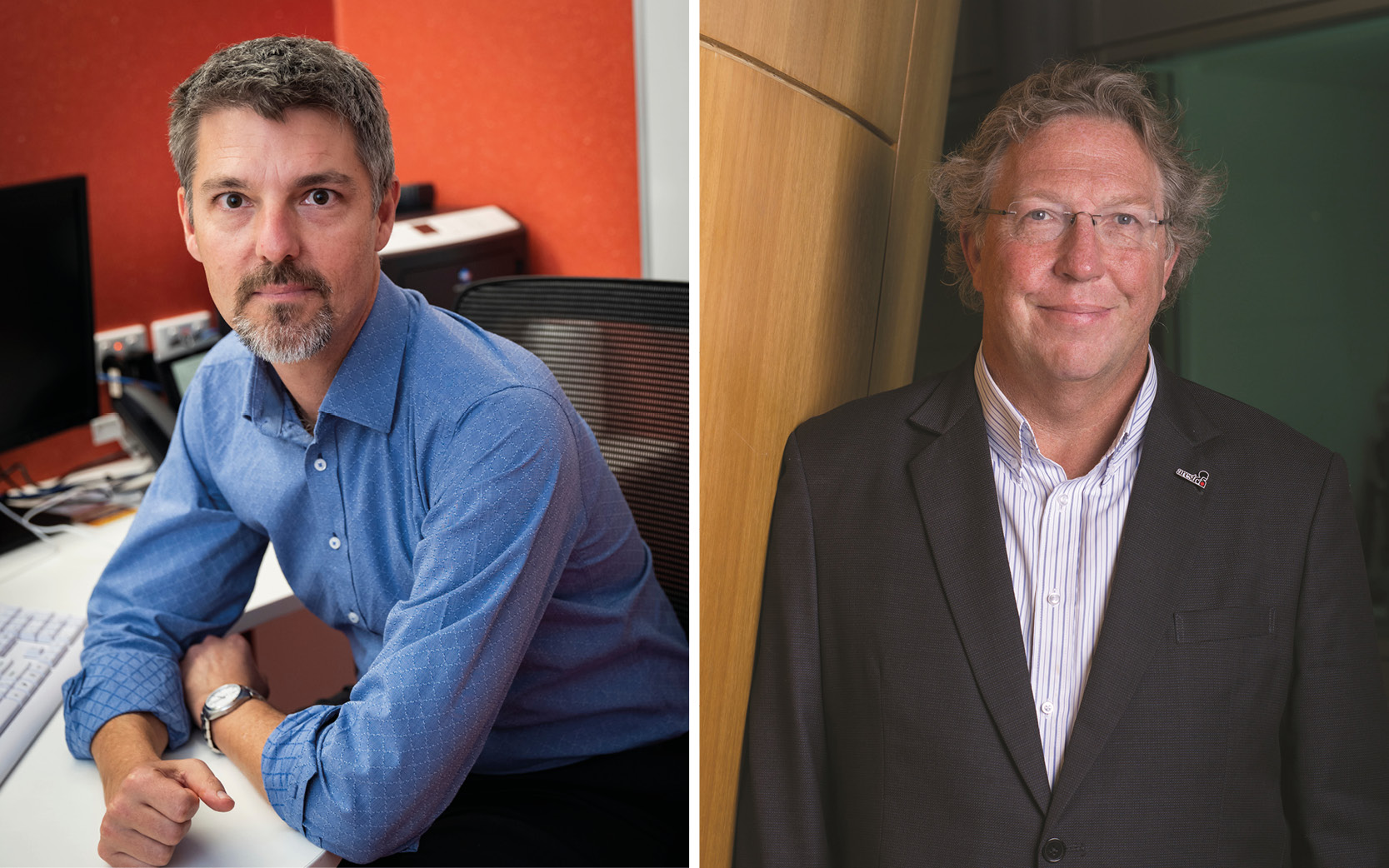
The Kids researchers are part of a new collaboration that has secured almost $1million for intensive research into new 4D diagnostic technology to allow accurate assessment of lung function in patients of all ages including the very sick.
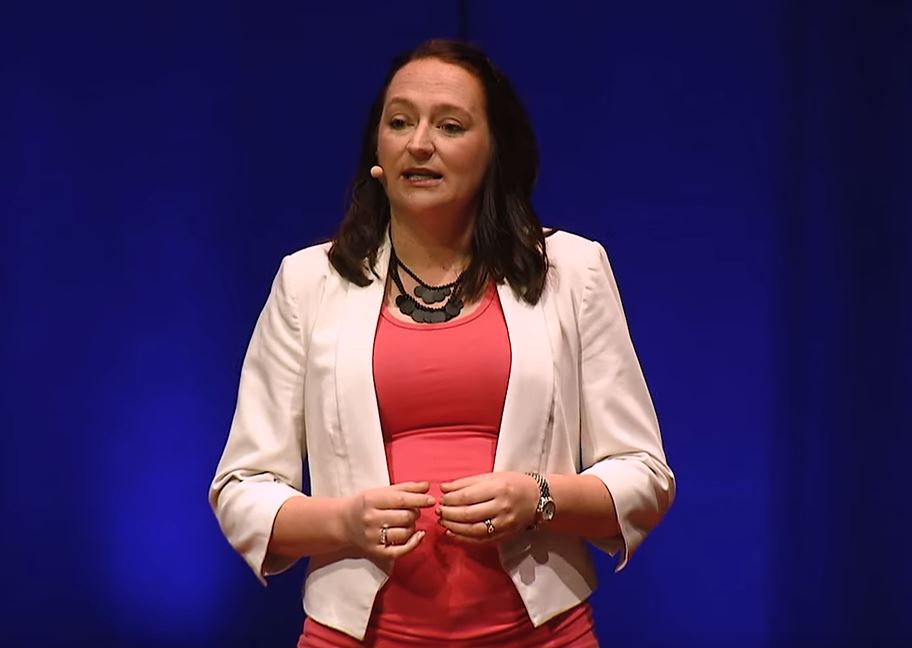
Dr Hannah Moore was one of WA’s brightest minds chosen to speak at TEDX Perth in November last year, presenting her insights into the power of data in fighting infectious diseases to a sold-out crowd at the Perth Concert Hall.
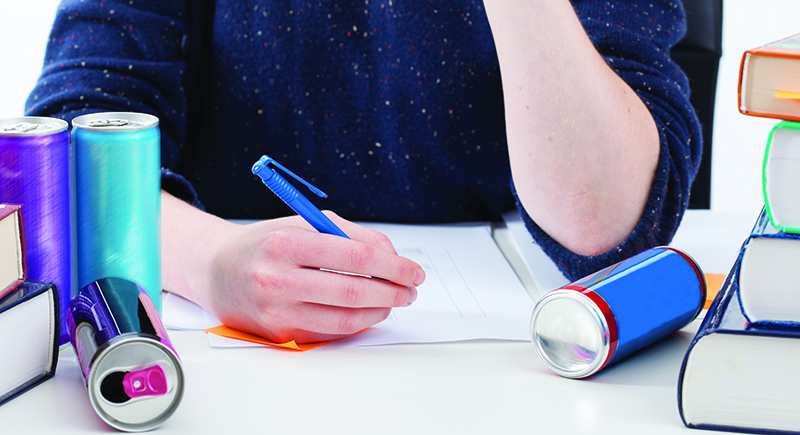
Energy drinks have been linked to adverse health effects in children.
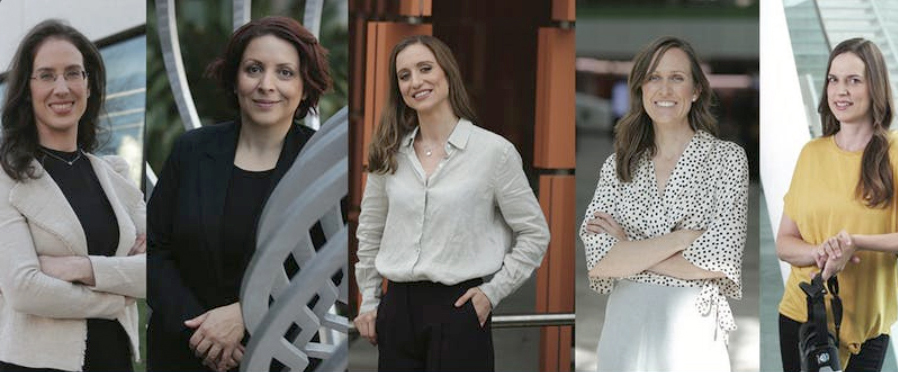
Hundreds of budding female scientists from secondary schools across Western Australia will be given a glimpse into their future careers as part of the first Girls in Science Forum to be held in Perth this week.
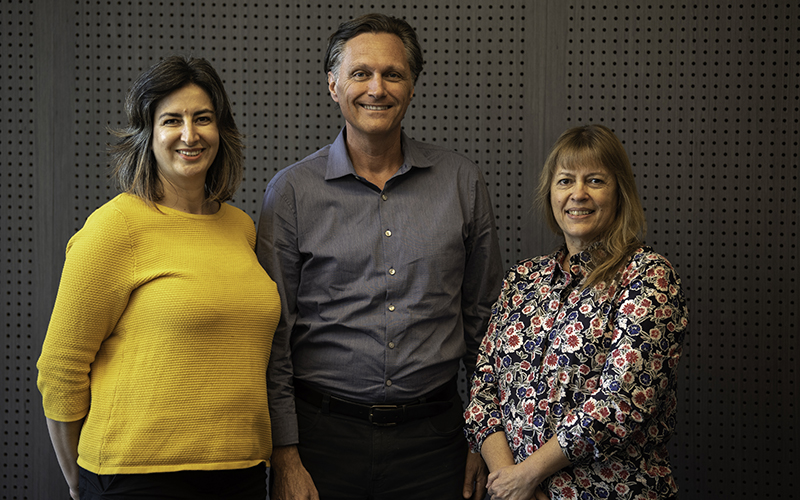
Australia’s first comprehensive research centre focused on mental health from birth to 25 years has been launched today in Perth.
Clinical psychologist from the Children's Diabetes Centre Dr Keely Bebbington has some top tips on how to support a friend who has type 1 diabetes.
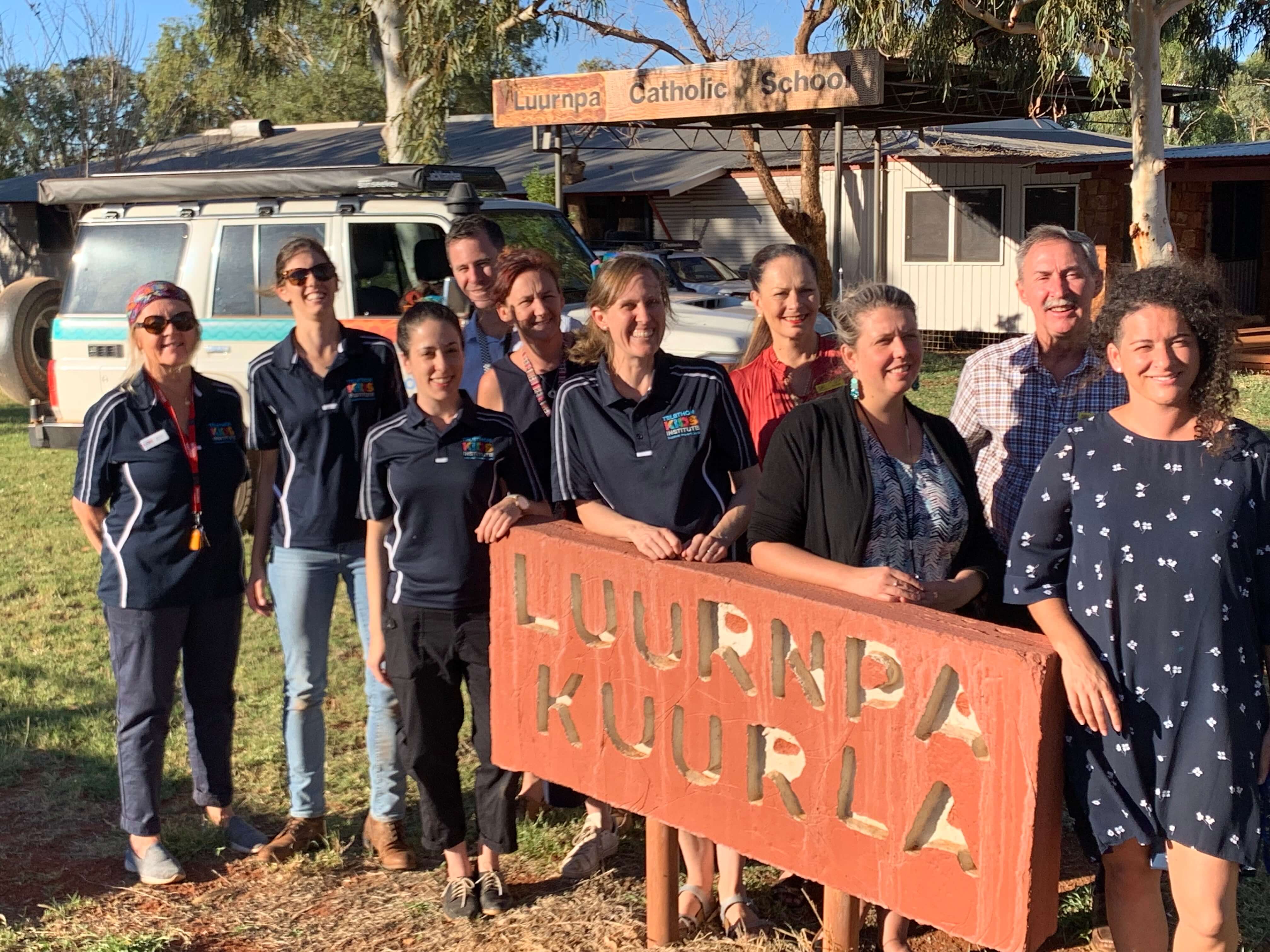
The The Kids Skin Health team has a busy six weeks ahead - visiting nine communities throughout the Kimberley region of WA as part of the first school surveillance activities for the SToP Trial.