
Search
Non-coercive 'nudge' interventions have shown the potential to promote health behaviours. This study aimed to evaluate the impact of nudge interventions on COVID-19/influenza vaccine uptake among children with medically at-risk conditions.
High nasopharyngeal pneumococcal carriage density is associated with severe pneumonia; however, little is known about factors that affect pneumococcal carriage density including pneumococcal vaccination. We describe pneumococcal density by clinical and demographic factors, and effect of 13-valent pneumococcal conjugate vaccine (PCV13) on density in Papua New Guinea (PNG), Lao People’s Democratic Republic (Lao PDR) and Mongolia, 3–6 years following national PCV13 introduction.
Young children, particularly those younger than six (6) months are at increased riskof severe influenza infection.
Influenza remains an important cause of pediatric morbidity and mortality. Immunisation is critical to prevent hospitalisation and severe disease. The COVID-19 pandemic had far-reaching effects on influenza epidemiology and vaccine use.

Our team’s vision is to reduce the burden of infectious diseases in children and their families through comprehensive approaches to understanding the burden of disease, developing and optimising diagnosis and treatment strategies and evaluating and informing current and future prevention programs.

Whooping cough (pertussis) is a highly contagious respiratory infection which causes a severe cough and can be particularly dangerous to babies under a year old. Vaccination is the best way to reduce the risk of whooping cough.
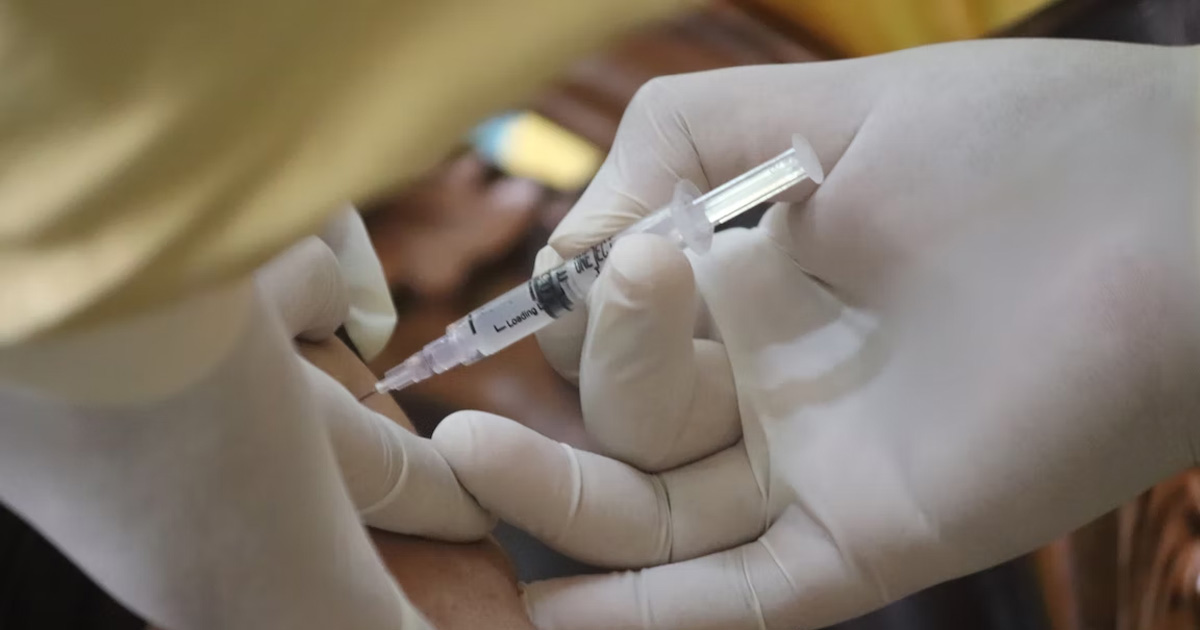
A The Kids Research Institute Australia study has suggested the seasonal flu vaccine for children could also protect them from respiratory syncytial virus (RSV), with the dual benefit easing pressure on hospitals.
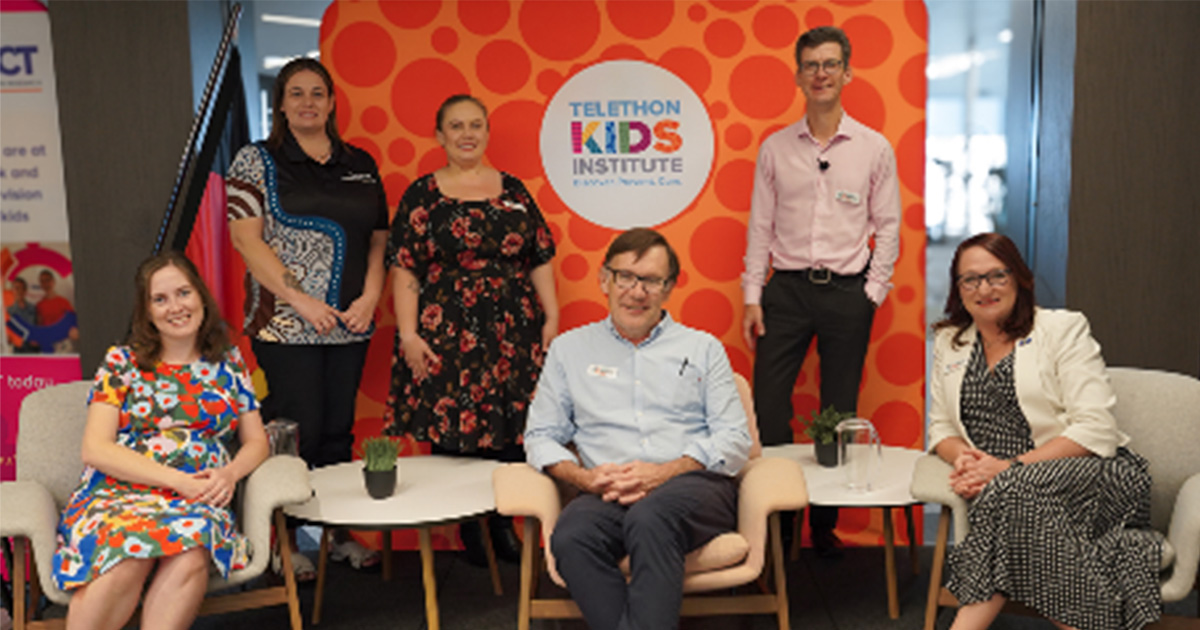
STAMP RSV is a multifaceted program of work with the single focus to prepare the community for the uptake of new and emerging RSV immunisation strategies by providing the evidence to inform public health policy.
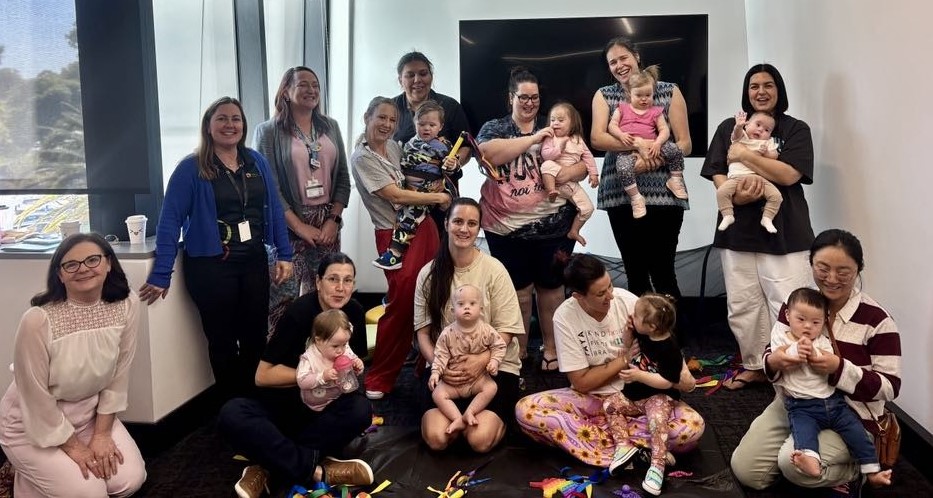
Researchers from the Wesfarmers Centre of Vaccines and Infectious Diseases, based at The Kids Research Institute Australia, are partnering with Down Syndrome WA to learn more about how respiratory syncytial virus, or RSV, affects children with increased medical vulnerability.
This tool is designed to help current and future parents and caregivers as well as health care providers. It is currently based on the 2026 Western Australian RSV immunisation program.