
Search
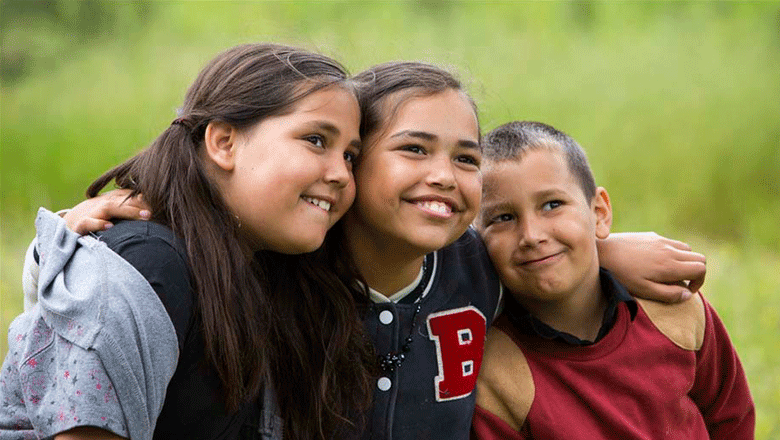
The National Aboriginal and Torres Strait Islander Leadership in Mental Health welcomes funding by the Australian Government
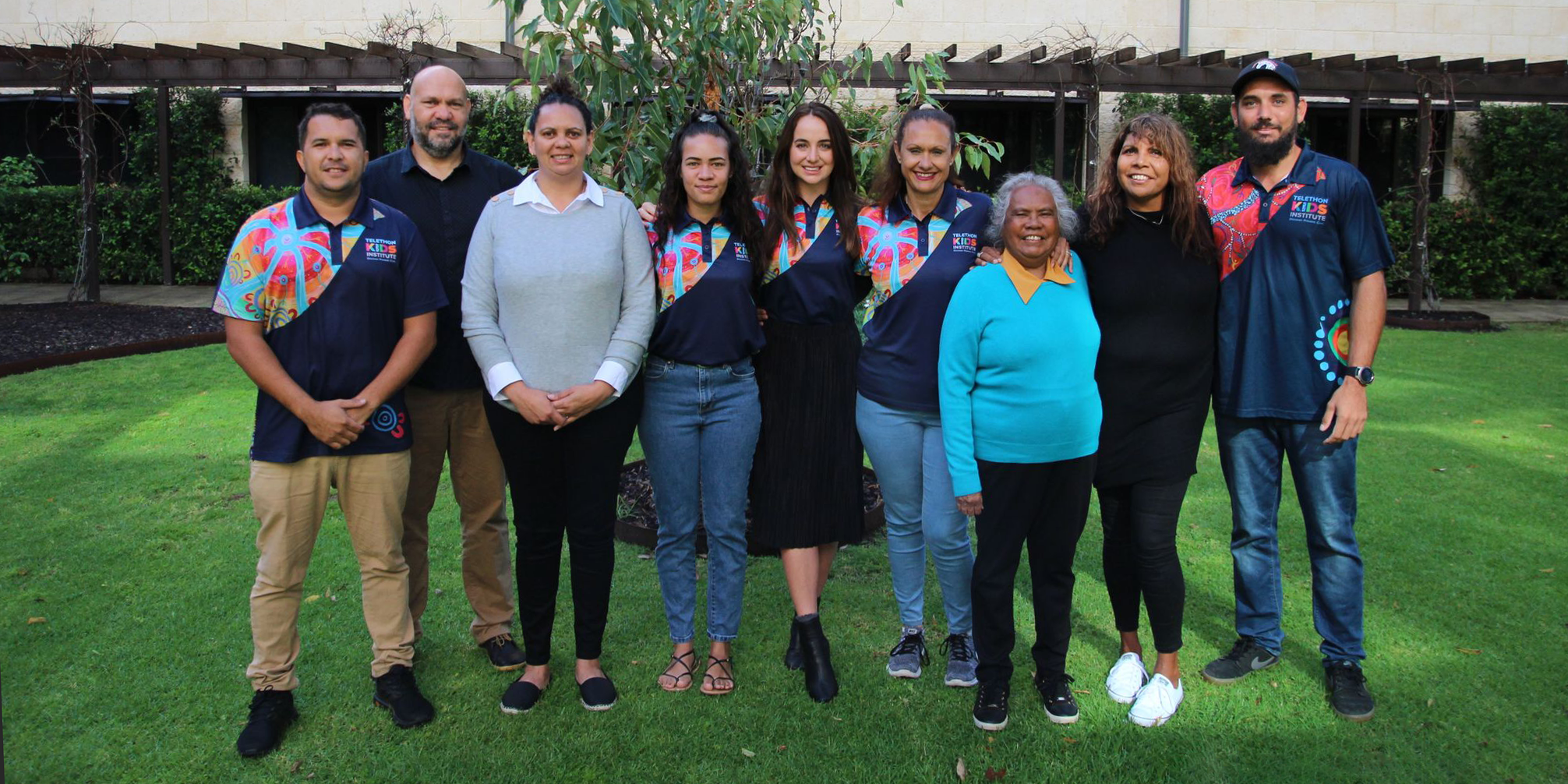
We are excited to launch our new Aboriginal Employment and Career Development Strategy (AECDS), aimed at building a culturally secure work environment by continuing to embed Aboriginal health & wellbeing into our research.
The development of research partnerships is a priority for InterRett, with centres or clinicians with access to large numbers of patients with Rett syndrome.
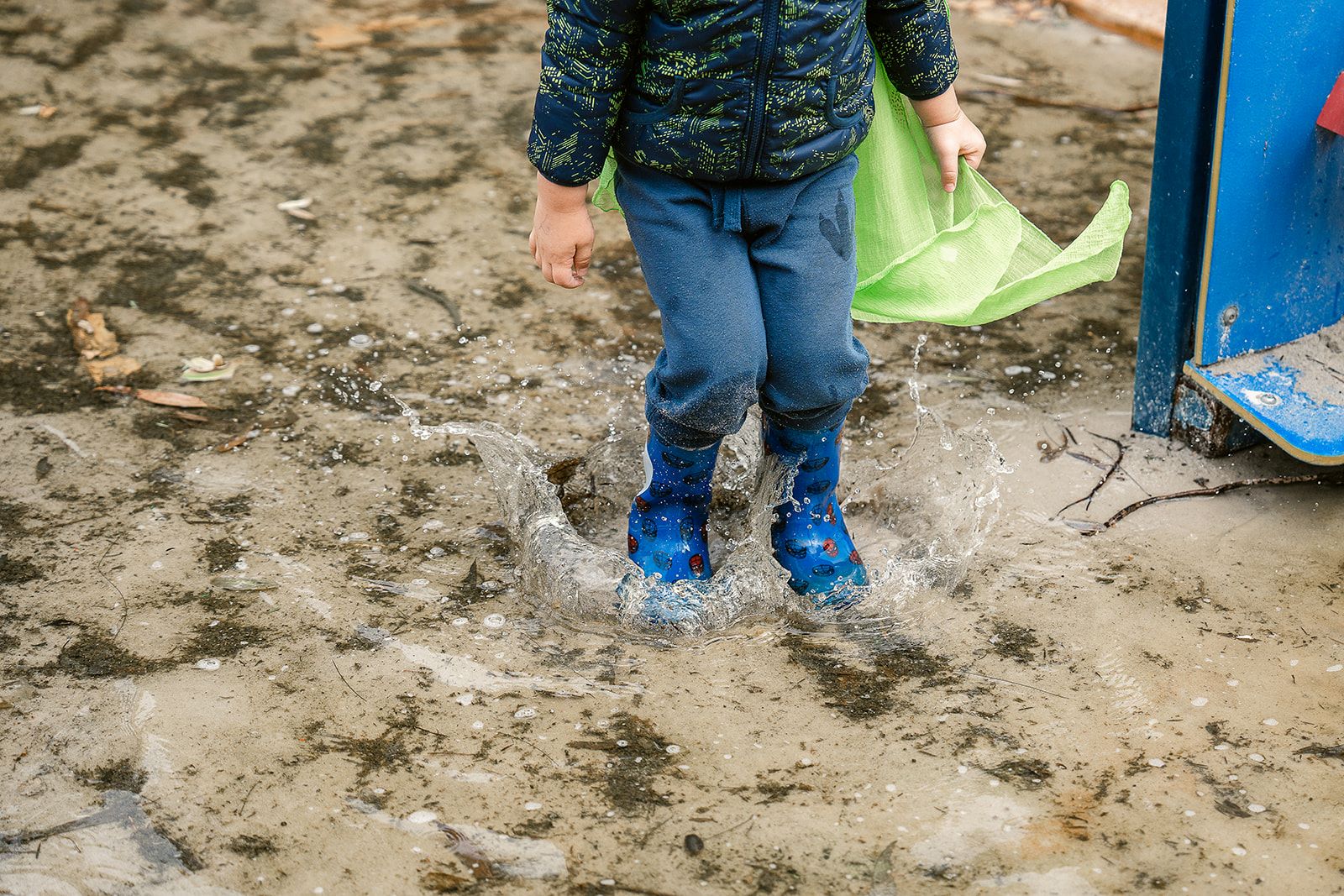
Helping families to unlock the mental and physical health benefits of connecting with nature and community through outdoor play - easily, and locally.
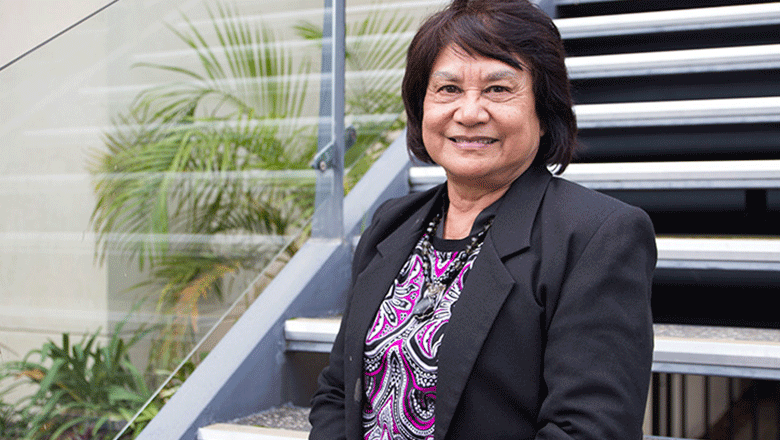
To celebrate NAIDOC week we sat down with Isabelle Adams, the coordinator of The Kids Research Institute Australia's Kulunga Aboriginal Research Development Unit (KARDU).
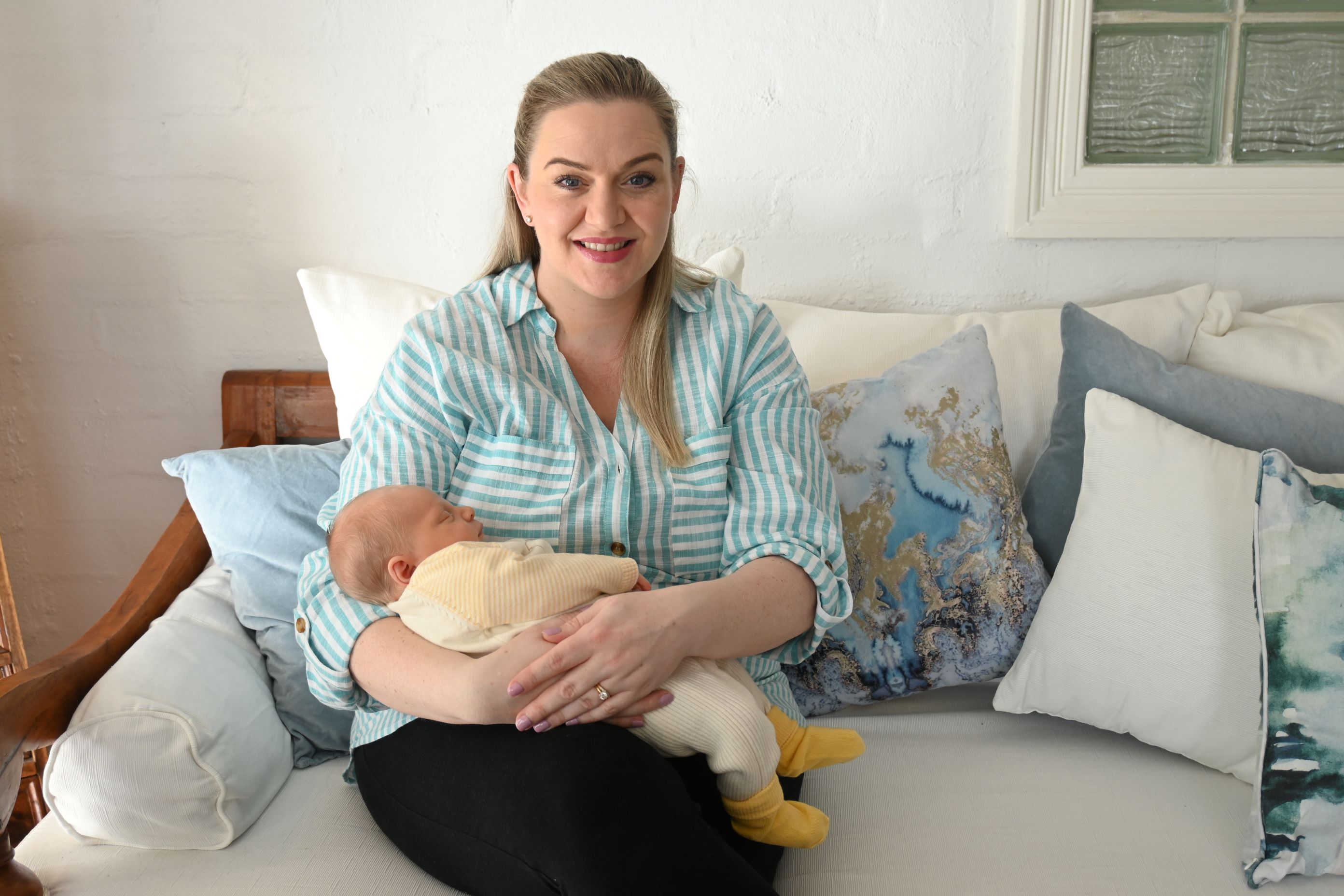
ORIGINS has welcomed its very last baby into the cohort
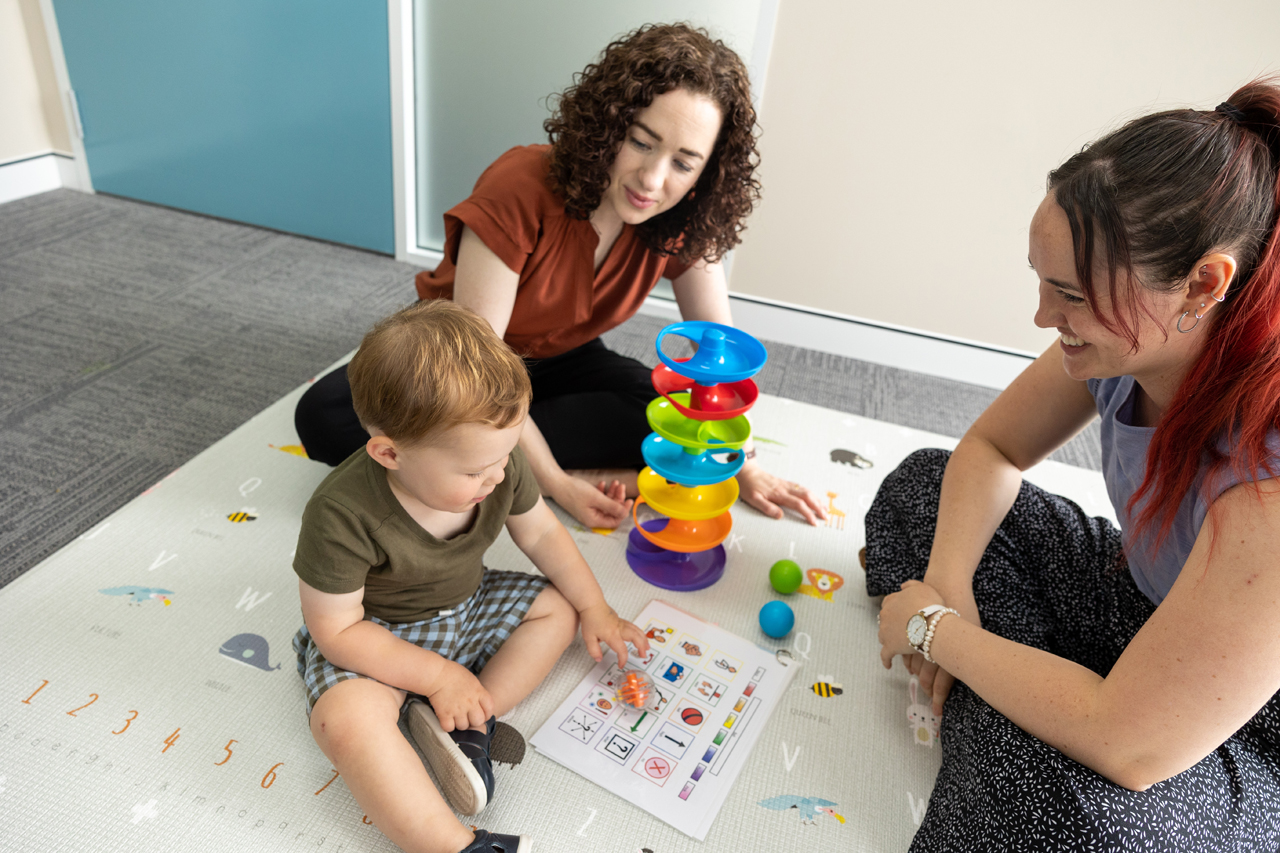
This series aims to provide some practical and evidence-based ideas to support your child and family.
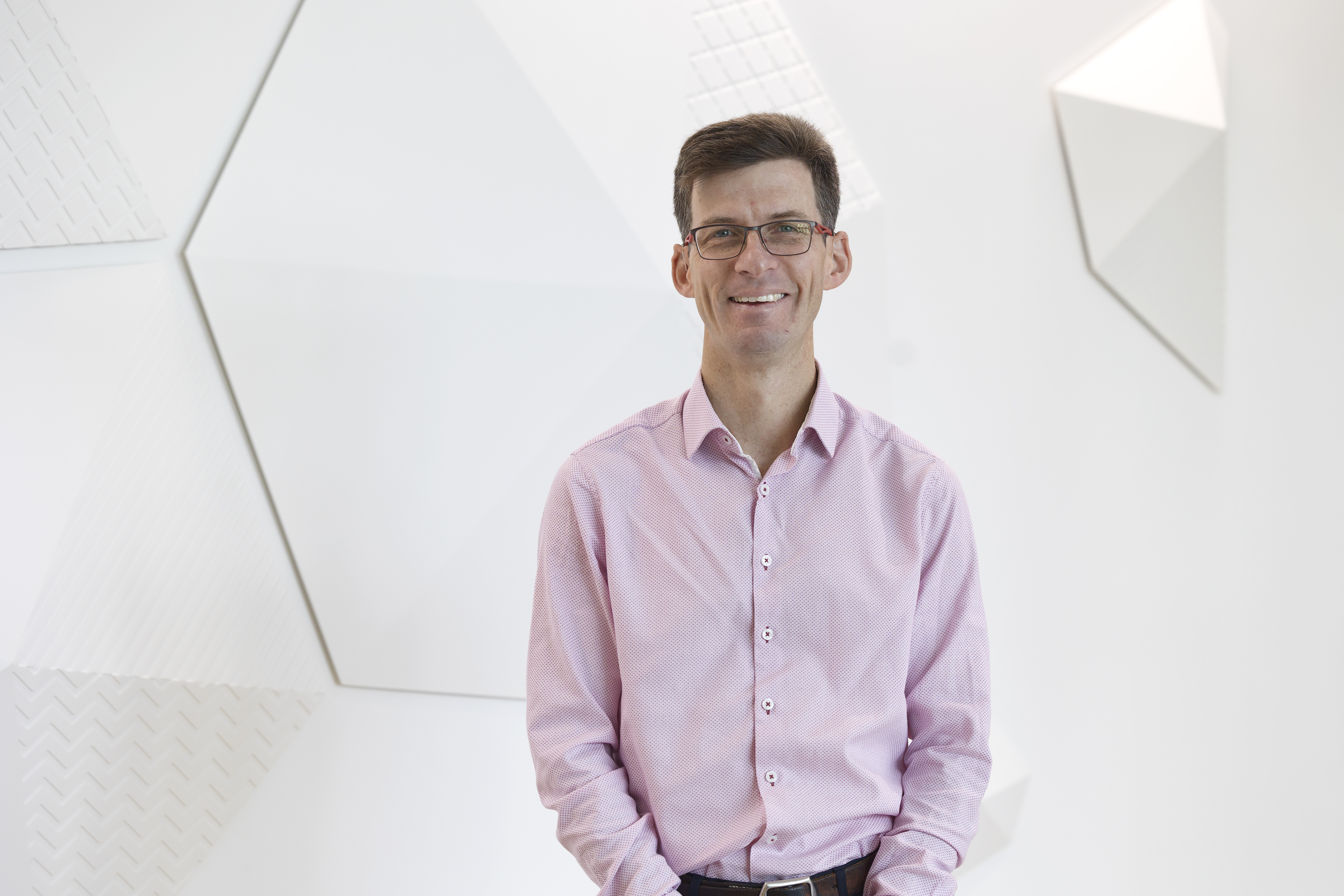
A study by The Kids Research Institute emphasizes the need to measure oxygen levels in children with pneumonia, revealing that symptoms alone may miss critical hypoxia cases.
PICOBOO is a randomised, adaptive trial evaluating the immunogenicity, reactogenicity, and safety of COVID-19 booster strategies. We report data for second boosters among individuals 50-<70 years old primed with AZD1222 (50-<70y-AZD1222) until Day 84.
Acute lower respiratory tract infection (ALRI) remains a major worldwide cause of childhood mortality, compelling innovation in prevention and treatment. Children in Papua New Guinea (PNG) experience profound morbidity from ALRI caused by Streptococcus pneumoniae. As a result of evolutionary divergence, the human PNG population exhibits profound genetic variation and diversity. To address unmet health needs of children in PNG, we tested whether genetic variants increased ALRI morbidity.