Search
Altered drive to socially engage is a transdiagnostic feature across multiple psychopathologies. Yet, lack of clarity regarding specific processes that constitute social drive, along with insufficient measurement methods, has hindered understanding in this area. This study ascertained the feasibility of approximating difficulties within specific fine-grained social drive processes as proposed by 2 theoretical frameworks: “orienting,” “wanting,” “pursuing,” “liking,” “learning,” and “reticence” within a reward processing framework and “orienting,” “seeking and maintaining,” and “liking” within a social motivation framework.
Cardiovascular diseases (CVDs) are the leading cause of mortality and are among the foremost causes of disability globally. CVD burden has continued to increase in most countries since 1990, with trends driven by changing exposures to harmful risk factors, population growth, and population aging.
Despite evidence documenting high prevalence of type 2 diabetes among several Indigenous populations, a comprehensive systematic review of type 2 diabetes among global Indigenous Peoples has not been recently conducted. Our aim was to report region-, time-, age- and sex-specific type 2 diabetes prevalence among Indigenous adult populations globally.
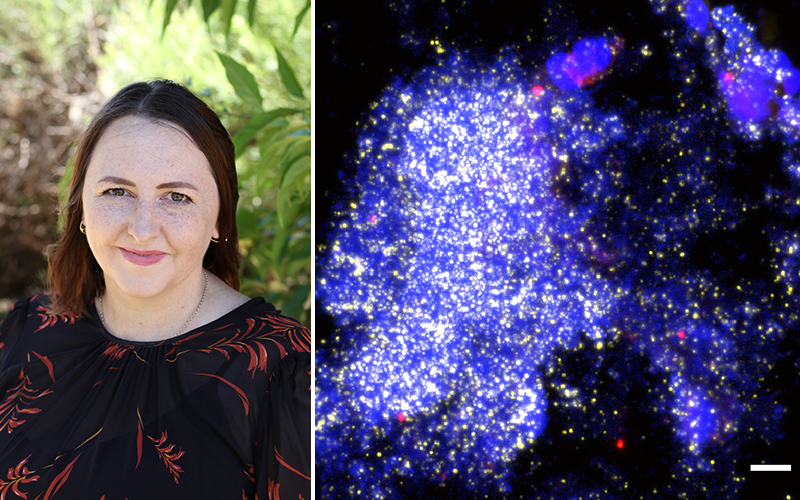
Chemotherapy often kills a large fraction of cancer cells but leaves behind a small population of drug-tolerant persister cells. These persister cells survive drug treatments through reversible, non-genetic mechanisms and cause tumour recurrence upon cessation of therapy. Here, we report a drug tolerance mechanism regulated by the germ-cell-specific H3K4 methyltransferase PRDM9.
Citation: Sirota SB, Bender RG, Dominguez RMV, Movo A, ……….Birru EM, Biswas B, Biswa MS, …….. Lu K, Lubinda J, Lucchetti G, et al. Global burden of
Citation: Evans DJ, D Sly PD, Foster P, Donovan C. Who gets asthma, and why? Med J Aust. 2025;223(S10):S19-S23. Keywords: Asthma; Lung diseases;
Gram-negative bacterial infections remain a major cause of morbidity and mortality in children and neonates globally, compounded by the rise of antimicrobial resistance. Barriers to paediatric antibiotic licencing lead to reduced availability of potentially effective agents for treatment. For children and neonates in the Oceania region, specific challenges remain including a paucity of surveillance data on local rates of antimicrobial resistance, and lack of availability of newer, more costly agents.
Peanut allergy is the most common food allergy in Australian school-aged children and is rarely outgrown. Access to oral immunotherapy (OIT), a disease-modifying treatment for food allergy, is limited in many regions of the world, including Australia.
Antimicrobial resistance poses a significant threat to children's health, with up to 20% of 1.27 million deaths attributable to bacterial AMR annually, occurring in children <5 years. The WHO 2024 Bacterial Priority Pathogens List identifies methicillin-resistant Staphylococcus aureus (MRSA) and vancomycin-resistant Enterococcus faecium (VRE) as critical pathogens. This review examines the epidemiology, treatment recommendations, dosing strategies, efficacy, and safety data for antibiotics targeting MRSA and VRE infections in children in Oceania.
According to the Cognitive Emotional Model of Non-Suicidal Self-Injury (NSSI), this behavior is governed by a complex interplay of NSSI-related cognitions (i.e., a person's expected outcomes of self-injury and self-efficacy to resist NSSI) and emotion-regulatory strategies (i.e., cognitive reappraisal and expressive suppression). To empirically test this proposition, the current study examined the moderating roles of self-efficacy to resist NSSI, cognitive reappraisal, and expressive suppression in the relationships between outcome expectancies and NSSI frequency among university students.