
Search

At The Kids Research Institute Australia, we are committed to the ongoing work in Aboriginal health which includes investment, support and training of our Aboriginal researchers and staff.
Pathogenic variants in the CDKL5 gene result in CDKL5 deficiency disorder (CDD), which is characterized by early-onset epilepsy, severe developmental delay, and often, cortical visual impairment. Validated clinical outcome measures are needed for future clinical trials to be successful. This study aimed to adapt the Rett Syndrome Hand Function Scale for CDKL5 deficiency disorder and evaluate its feasibility, acceptability, content validity, and reliability.
Infants with cystic fibrosis (CF) develop structural lung disease early in life, and viral infections are associated with progressive lung disease. We hypothesized that the presence of respiratory viruses would be associated with structural lung disease on computed tomography (CT) of the chest in infants with CF.
Previous studies on the impacts of racism on adolescent development have largely overlooked Indigenous youth. We conducted a scoping review of the empirical literature on racism against Indigenous adolescents to determine the nature and scope of this research and to establish associations with developmental outcomes.
Chris Deborah Tamara Brennan-Jones Lehmann Veselinovic PhD AO, MBBS, MSc BSc(Hons) MClinAud PhD Head, Ear and Hearing Health Honorary Emeritus Fellow
This paper explores neighborhood-built environment features related to ‘better than expected’ and ‘as expected’ early childhood development outcomes (ECD) in 14 Australian disadvantaged communities. This paper draws from mixed methods data collected in the Kids in Communities Study–an Australian investigation of community effects on ECD–in communities across five states and territories.
The Population Health Research Network (PHRN) is an Australian national data linkage infrastructure that links a wide range of health and human services data in privacy-preserving ways. The data linkage infrastructure enables researchers to apply for access to routinely collected, linked, administrative data from the six states and two territories which make up the Commonwealth of Australia, as well as data collected by the Australian Government.
Oral targeted antineoplastic drugs (OTADs) are becoming more and more acceptable for lung cancer treatment due to their advantages such as the convenience of administration and milder side effects. However, medication adherence represents a major issue for prolonged OTAD treatment.
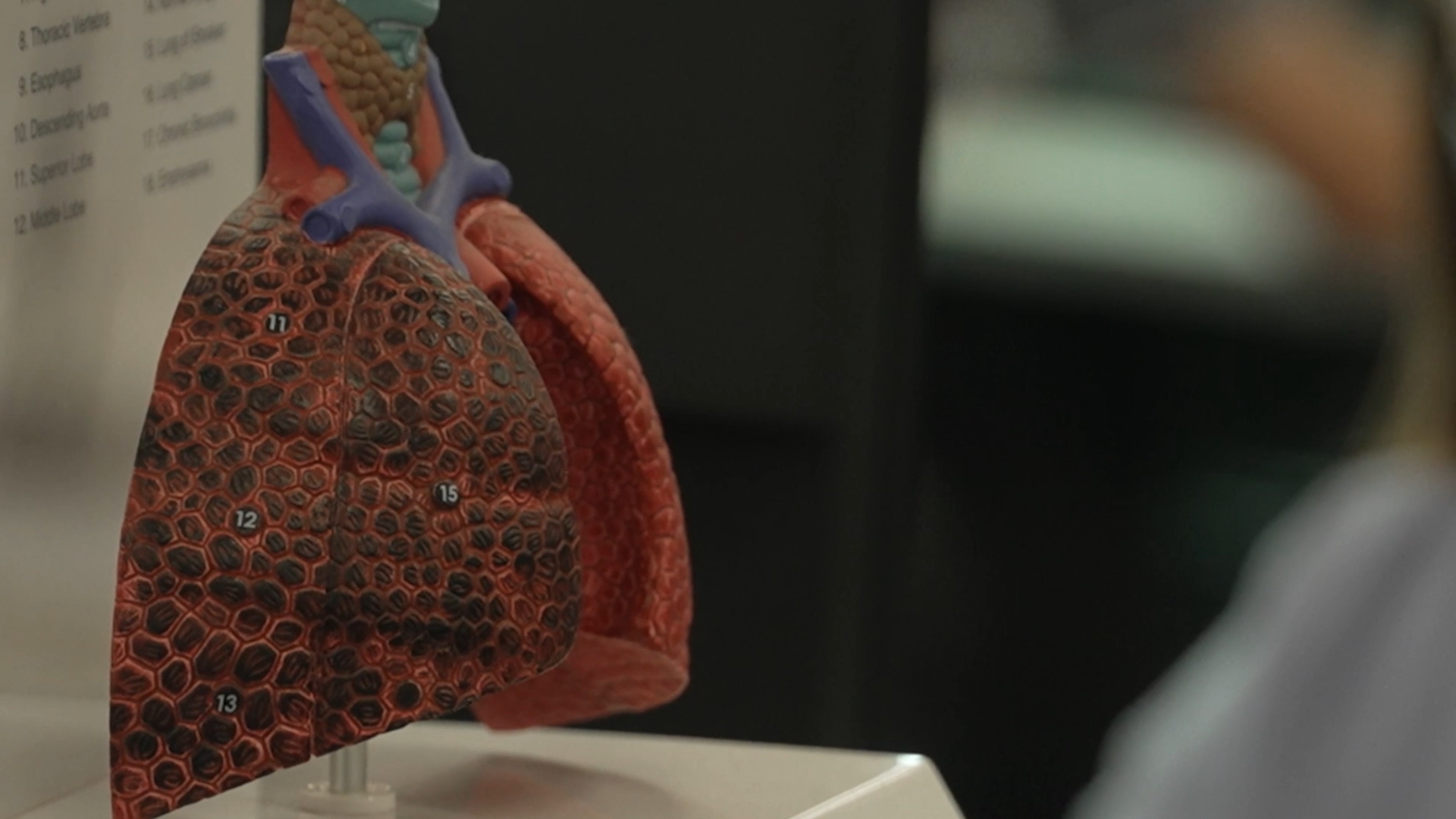
Promising results from an Australian-led clinical trial could drastically change the way we care for young children with cystic fibrosis (CF).
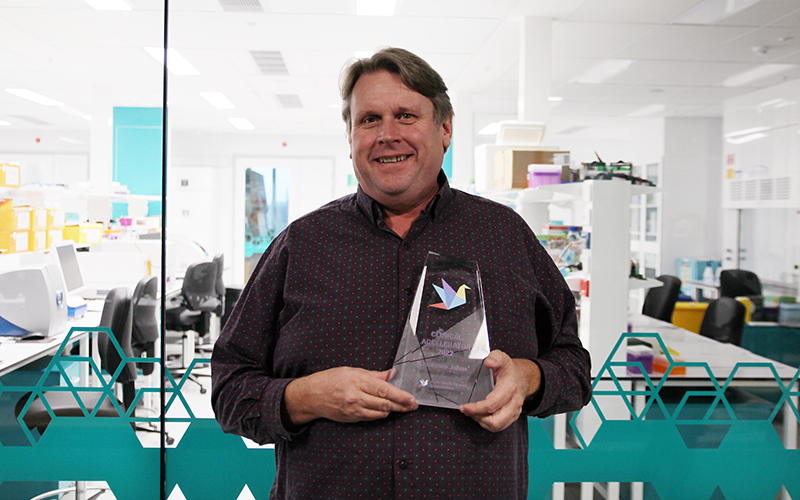
Children with aggressive brain cancers could soon have access to a significant new treatment option, using a unique antibody that stops cancer cells from repairing themselves.