
Search
There is limited information regarding the use of parenteral nutrition (PN) in term and late preterm infants. We conducted a survey to study the current clinical practices within Australia and New Zealand (ANZ). A 15-question online-survey was distributed to 232 neonatologists and 55 paediatric intensivists across ANZ between September and November 2019.
To describe patterns and demographic characteristics of total-population hospital admissions with a diagnosis of Treacher Collins syndrome (TCS) in Australia.
Malaria risk is highly heterogeneous. Understanding village and household-level spatial heterogeneity of malaria risk can support a transition to spatially targeted interventions for malaria elimination. This analysis uses data from cross-sectional prevalence surveys conducted in 2014 and 2016 in two villages (Megiar and Mirap) in Papua New Guinea.
Significant global variation exists in neonatal nutrition practice, including in assigned milk composition values, donor milk usage, fortification regimens, probiotic choice and in methods used to calculate and report nutrition and growth outcomes, making it difficult to synthesize data to inform evidence-based, standardized nutritional care that has potential to improve neonatal outcomes
It is biologically plausible that risk of autism spectrum disorder (ASD) is elevated by both short and long interpregnancy intervals (IPI). We conducted a retrospective cohort study of singleton, non-nulliparous live births.
To determine if the relationship between meal carbohydrate quantity and the insulin to carbohydrate ratio (ICR) required to maintain glycaemia is linear in people with type 1 diabetes.
This study aims to understand the experience and impact of the initial COVID-19 lock-down in young families with children aged below 4 years. Free text questions were administered to participants in the ORIGINS (Australia) and Born in Bradford (UK) cohort studies to collect qualitative information on worries, concerns and enjoyable experiences during the pandemic.
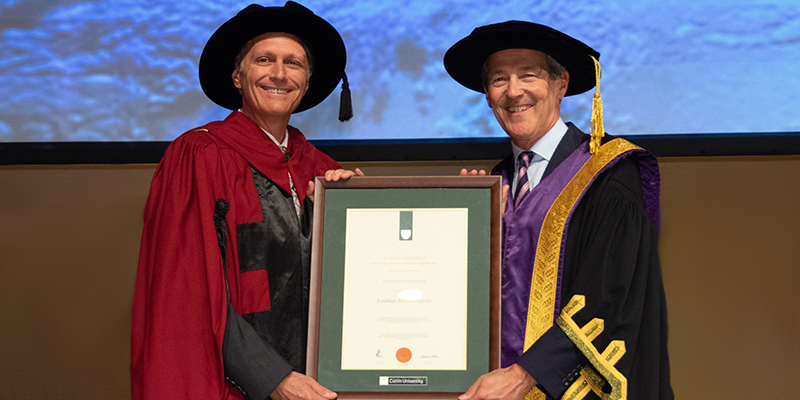
The Kids Research Institute Australia Director Professor Jonathan Carapetis AM has been made an Honorary Doctor of Medicine by Curtin University in recognition of his outstanding contribution to the local, national and international field of medicine and healthcare.

A The Kids researcher focused on ensuring kids are protected from infectious diseases will be named among WA’s most outstanding young scientists at the upcoming 2021 Young Tall Poppy Science Awards.
There is no validated evidence base on predictive ability and absolute risk of preterm birth by gestational age of the previous pregnancy. We conducted a retrospective cohort study of mothers who gave birth to their first two children in New South Wales, 1994-2016. For each week of final gestational age of the first birth, we calculated relative and absolute risks of subsequent preterm birth.