
Search
Measuring social inequalities in health is common; however, research examining inequalities in child cognitive function is more limited.
The aim of the trial is to evaluate a community-based early education and development program launched by the Government of Indonesia.
The objective of this paper is to determine how well the EDI predicts a child's later literacy and numeracy outcomes as assessed by the National Assessment...
This report provides the technical details for the methodology calculated to determine "how big" a difference in the AEDI results between 2009 and 2012 is...
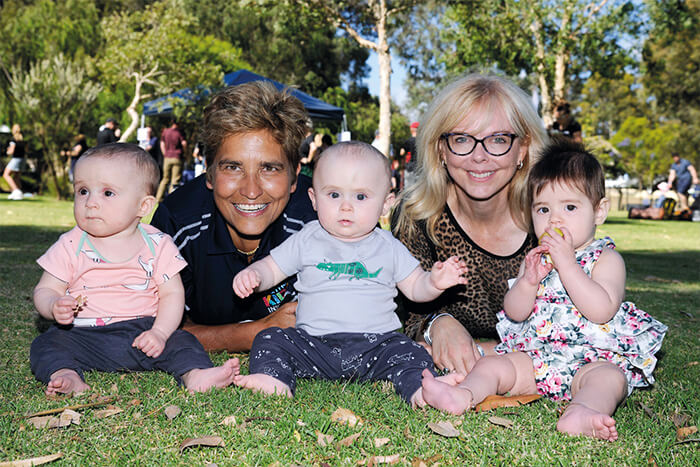
A collaboration between The Kids Research Institute Australia and Joondalup Health Campus is poised to be a game-changer for early childhood development.
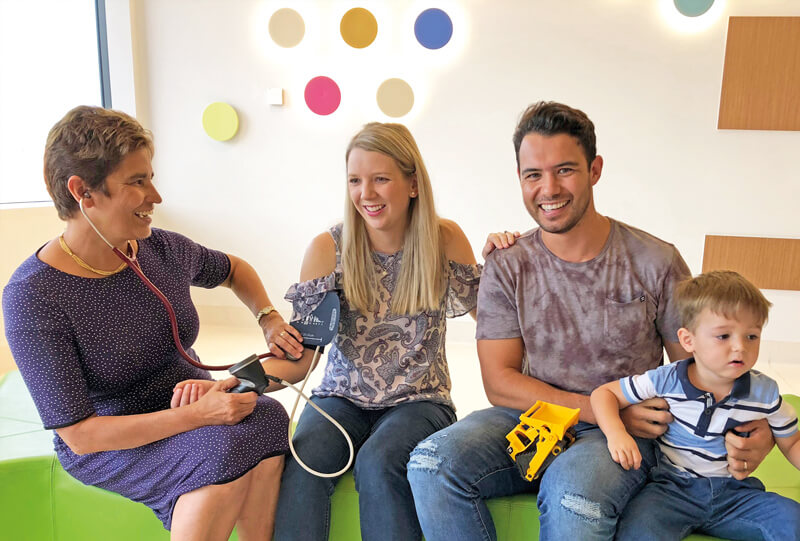
A Quinns Rocks family who became the 1000th family to sign up for the ORIGINS Project is excited to be contributing to such ground-breaking research.
The Early Years Systems Evidence (EYSE) team specialises in working in partnership with governments and service providers, with a distinct focus on improving the life chances of children in Australia.
Mary Brushe BPsych(Hons), PhD (Public Health) Senior Research Officer, Epidemiology mary.brushe@thekids.org.au Senior Research Officer, Epidemiology
The aim of the project was to provide the South Australian Department for Education with a synthesis of high-quality evidence on the population prevalence of various disabilities among school-aged children.
Learning Together, developed by the South Australian Department for Education, aims to create enriched learning environments that can be transferred to the home to support positive changes for children and families.