
Search
Acute lymphoblastic leukaemia is the most common childhood malignancy that remains a leading cause of death in childhood. It may be characterised by multiple known recurrent genetic aberrations that inform prognosis, the most common being hyperdiploidy.
Cancer cells are addicted to polyamines, polycations essential for cellular function. While dual targeting of cellular polyamine biosynthesis and polyamine uptake is under clinical investigation in solid cancers, preclinical and clinical studies into its potential in haematological malignancies are lacking. Here we investigated the preclinical efficacy of polyamine depletion in acute leukaemia.
Infants with KMT2A-rearranged B-cell acute lymphoblastic leukemia (ALL) have high rates of relapse and poor survival compared with children. Few new therapies have been identified over the past twenty years. The aim of this study was to identify existing anti-cancer agents that have the potential to be repurposed for the treatment of infant ALL.
Current immunization guidelines recommend one dose of influenza vaccine for children aged ≥9 years and two doses for younger or vaccine-naïve children. However, children receiving chemotherapy have an attenuated immune response. We performed a prospective open-label study in children undergoing treatment for cancer at Perth Children's Hospital, Western Australia, to examine the safety and efficacy of a boosted influenza schedule.
ETV6::RUNX1 is one of the most common recurrent genomic abnormalities in acute lymphoblastic leukaemia (ALL) and is associated with a good prognosis. High expression of NTRK1, encoding tropomyosin receptor kinase A (TrkA), confers a poor prognosis in other malignancies and may contribute to therapy resistance in patients with ETV6::RUNX1 B-ALL.
Copy number alterations (CNAs), resulting from the gain or loss of genetic material from as little as 50 base pairs or as big as entire chromosome(s), have been associated with many congenital diseases, de novo syndromes and cancer. It is established that CNAs disturb the dosage of genomic regions including enhancers/promoters, long non-coding RNA and gene(s) among others, ultimately leading to an altered balance of key cellular functions.
Children receiving treatment for acute myeloid leukemia (AML) are at high risk of invasive fungal disease (IFD). Evidence from pediatric studies support the efficacy of antifungal prophylaxis in reducing the burden of IFD in children receiving therapy for AML, yet existing antifungal agents have specific limitations and comparative data to inform the optimal prophylactic approach are lacking.
Children with Down syndrome (DS) are at increased risk of developing haematological malignancies, in particular acute megakaryoblastic leukaemia and acute lymphoblastic leukaemia. The microenvironment established by abnormal haematopoiesis driven by trisomy 21 is compounded by additional genetic and epigenetic changes that can drive leukaemogenesis in patients with DS.
Acute leukemia continues to be a major cause of death from disease worldwide and current chemotherapeutic agents are associated with significant morbidity in survivors. While better and safer treatments for acute leukemia are urgently needed, standard drug development pipelines are lengthy and drug repurposing therefore provides a promising approach.
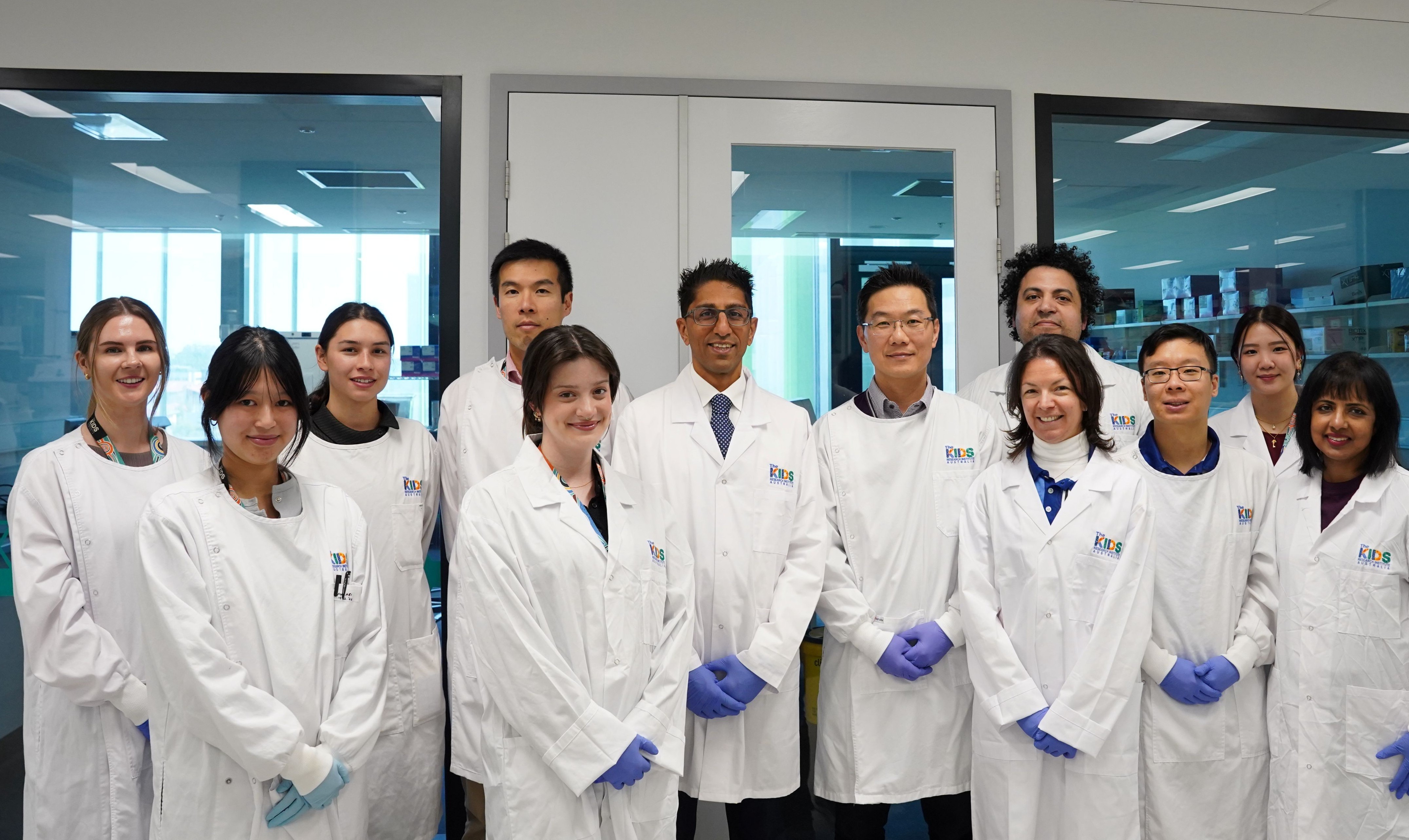
The main aim of our Leukaemia Translational Research Team is to test innovative therapeutic approaches, with a focus on clinical translation of this knowledge, to improve the outcomes of children suffering from leukaemia.