
Search
As the frequency of eating out-of-home among Australian families increases, concerns have arisen regarding the nutritional quality of Kids' Menus. This study investigated the views of food business owners and managers on Kids' Menus at sit-down venues, specifically factors influencing the choice of meals offered on Kids' Menus and potential initiatives for enhancing the nutritional quality of these menus.
Developing dietary guidelines for lactating women presents significant challenges, due to limited evidence being available on their specific nutrient needs and the biological impacts of various dietary dimensions. Current dietary recommendations often rely on data from nonlactating women, leading to potential inaccuracies.
Access to adequate nutrition is a human right. In 2023, 23% of Australian households were severely food insecure, reducing food intake, skipping meals or days of eating. Food insecurity in early childhood is linked to poor health and development. Specifically, breakfast provides children with the necessary nutrients required for sustained attention, memory, and cognitive growth. Australian research has reported that one in three children aged 8–18 years regularly skip breakfast. However, there is little understanding of the prevalence of food insecurity among young children in Australia.
Clinical trials suggest that long-chain omega-3 polyunsaturated fatty acids (n-3 PUFAs) (fish oil) may reduce depressive symptoms in adults with major depressive disorder. Therefore, n-3 PUFAs may be a potential treatment for depression in youth.

Nutrition is important during the COVID-19 pandemic because it can provide both physical and mental health benefits.
Researchers conducted a series of group interviews with young people to find out how much they knew about energy drinks and the consequences of drinking them.

Join us at our free public seminar with dietitian and nutritionist Dr Roslyn Giglia will share the latest information on Australian kids' diets.

The Kids Research Institute Australia dietitian and nutritionist Dr Roslyn Giglia shares her top 10 tips for kids nutrition and physical activity.
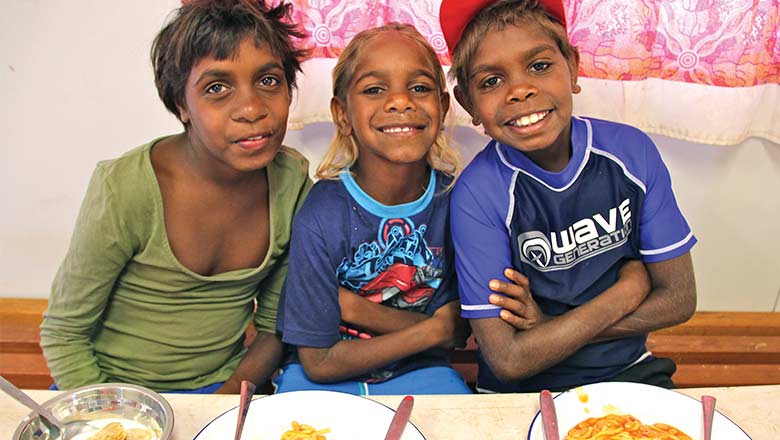
A good healthy breakfast is not just a vital foundation for a productive day but can lay the groundwork for a community to pull together to overhaul its health.

Teaching a class of year eleven students about nutrition ten years ago is what gave Dr Gina Trapp the idea for her research.