
Search
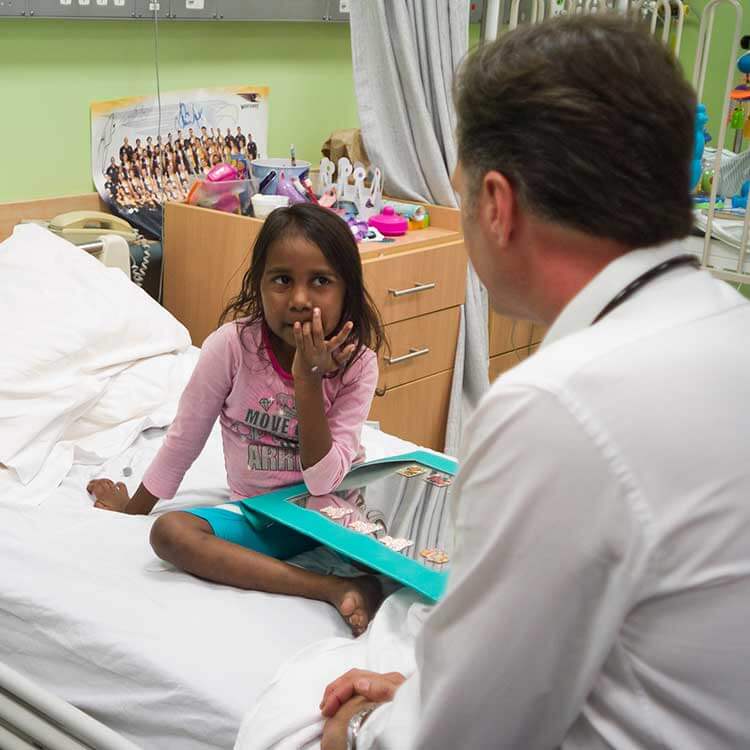
Researchers at The Kids Research Institute Australia say Group A Streptococcus should become a nationally notifiable disease in Australia.
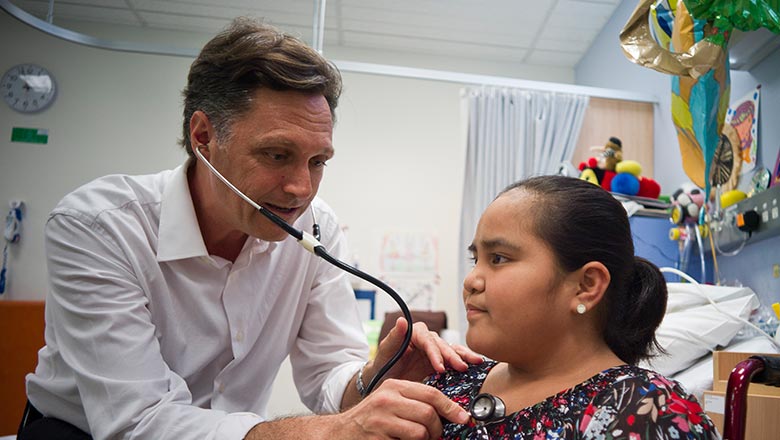
Researchers at The Kids Research Institute Australia have begun a comprehensive research project into vaccines aimed at tackling rheumatic fever.
In Australia, rheumatic heart disease (RHD) is almost exclusively restricted to Aboriginal Australian and Torres Strait Islander people with children being...
Globally, ARF and RHD cause more than a quarter of a million deaths and substantial disability each year.

Head, Strep A Translation; Co-Founder of REACH
As Head of Aboriginal Research Development at Telethon Kids, Glenn Pearson believes his work brings us closer to identifying the real and whole Australian story
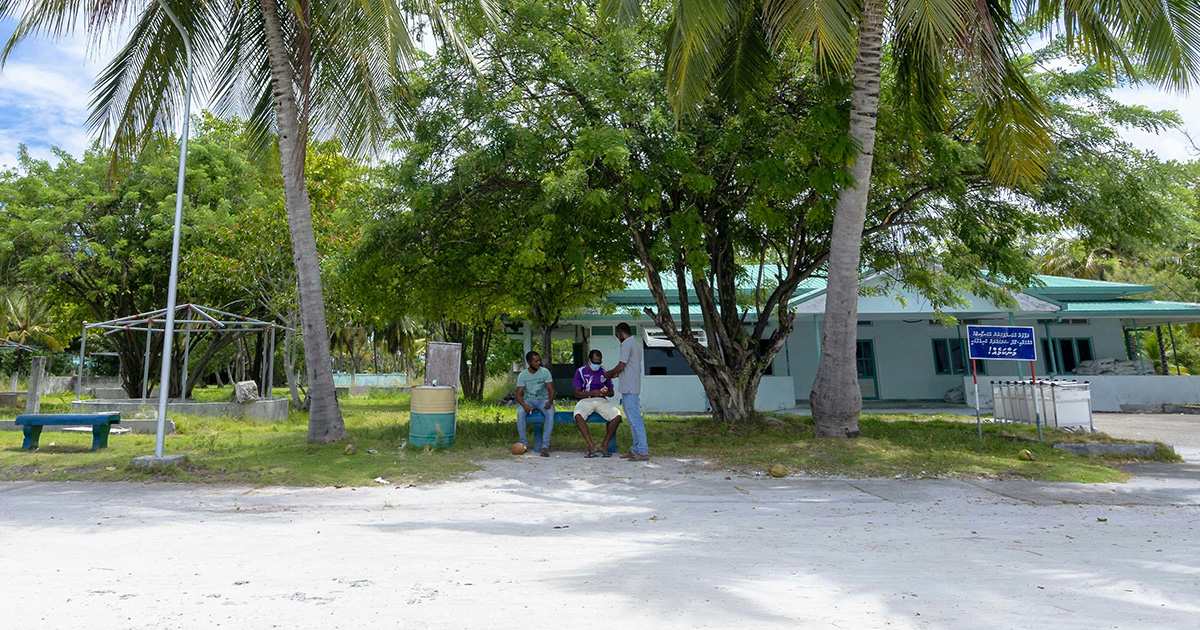
A team led by Dr Joseph Kado from the Wesfarmers Centre of Vaccines and Infectious Diseases, based at The Kids Research Institute Australia, and The University of Western Australia (UWA) has been awarded $5 million by the Federal Government in a major push to prevent rheumatic heart disease across the Pacific.

Instant diagnosis and treatment of potentially life-threatening Strep A infections is now very close to reality across Australia’s remote and regional areas thanks to molecular point-of-care testing (POCT) that slashes result times from five days to just minutes.
Acute rheumatic fever (ARF) and rheumatic heart disease (RHD) are prevalent among First Nations peoples in Australia. In Western Australia (WA), notification of ARF and RHD to the WA RHD register is mandatory and supports follow-up care. However, previous studies from rural WA have reported incomplete notification, suggesting gaps in surveillance and hospital-registry linkage.

Aboriginal health is everyone's business. The needs of Aboriginal and Torres Strait Islander families and kids is integrated into all relevant areas of our work. Improving the health and wellbeing of Aboriginal and Torres Strait Islander kids and families is an overarching priority for every team at The Kids.