
Search
Australian Aboriginal and/or Torres Strait Islander children in rural/remote areas suffer high rates of persistent otitis media (OM) from early infancy. We aimed to determine the proportion of Aboriginal infants living in an urban area who have OM and investigate associated risk factors.
The present study aims to investigate the association between an early history of recurrent otitis media (OM) with or without ventilation tube insertion and later behavioural problems in childhood and adolescence.
Shortage of ear, nose, and throat specialists in public hospitals can result in delays in the detection and management of otitis media. This study introduced a new hospital-based telehealth service, named the Ear Portal, and investigated its role in improving access to specialist care.
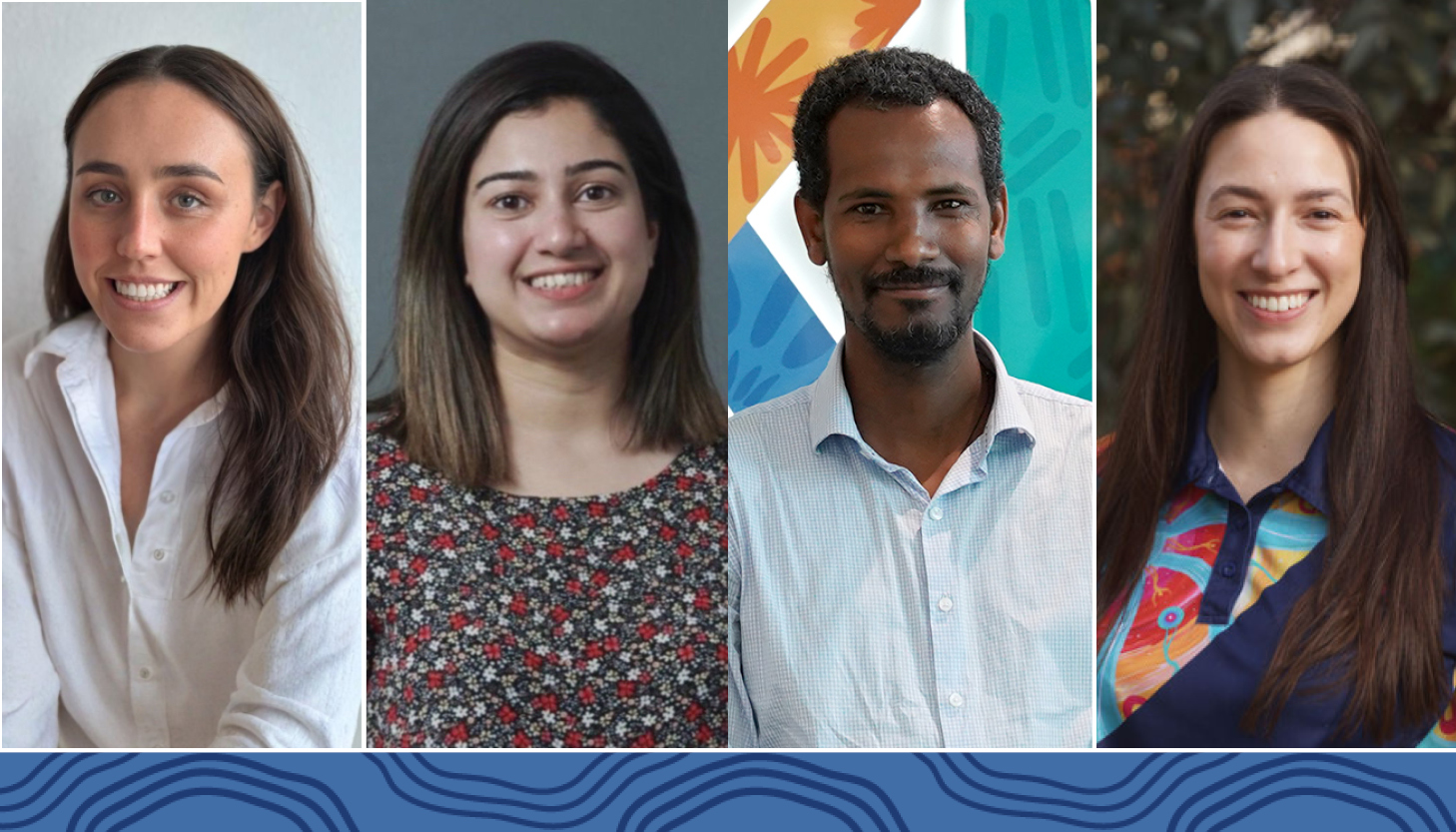
Congratulations to four outstanding early-career researchers from The Kids Research Institute Australia, who have been awarded BrightSpark Foundation fellowships and project funding for 2026.
Children who are Deaf and Hard of Hearing, their parents, Teachers of the Deaf, and other community stakeholders were involved in co-designing a web-based resource to support students' social-emotional well-being.
Children in low-mid income countries, and First Nations children in high-income countries, experience disproportionately high rates of Streptococcus pneumoniae and Haemophilus influenzae infections and diseases including pneumonia and otitis media.
Elke Lea-Ann Ruth Peter Seppanen Kirkham Thornton Richmond BSc PhD PhD PhD MBBS MRCP(UK) FRACP Program Manager, Bacterial Respiratory Infectious

A The Kids Research Institute Australia ear health researcher has received a prestigious national fellowship to support her search for new therapies to improve the lives of kids who suffer repeat middle ear infections.
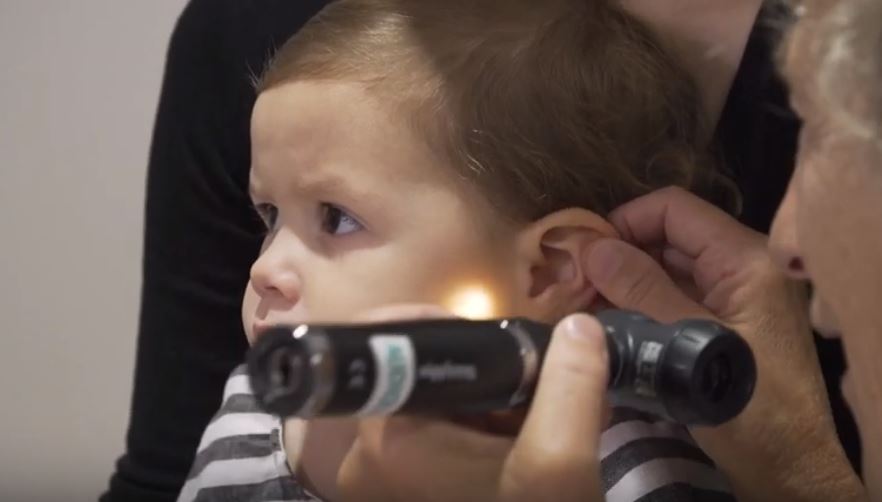
Researchers from The Kids Research Institute Australia have identified the main bacteria responsible for recurrent ear infections and repeat ear surgeries in children.
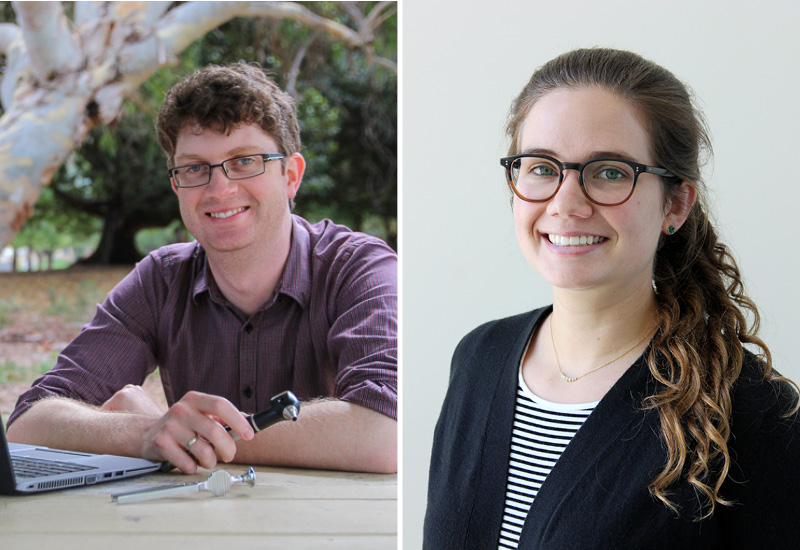
Two The Kids Research Institute Australia researchers have been named as finalists in the 2020 Western Australian Premier’s Science Awards.