
Search
In 2014, the Wesfarmers Centre of Vaccines & Infectious Diseases put out a first call for seed funding proposals.

Preventing over half of the world’s ear infections with a therapy such as Spritz-OM will significantly improve health and educational outcomes on a global scale.
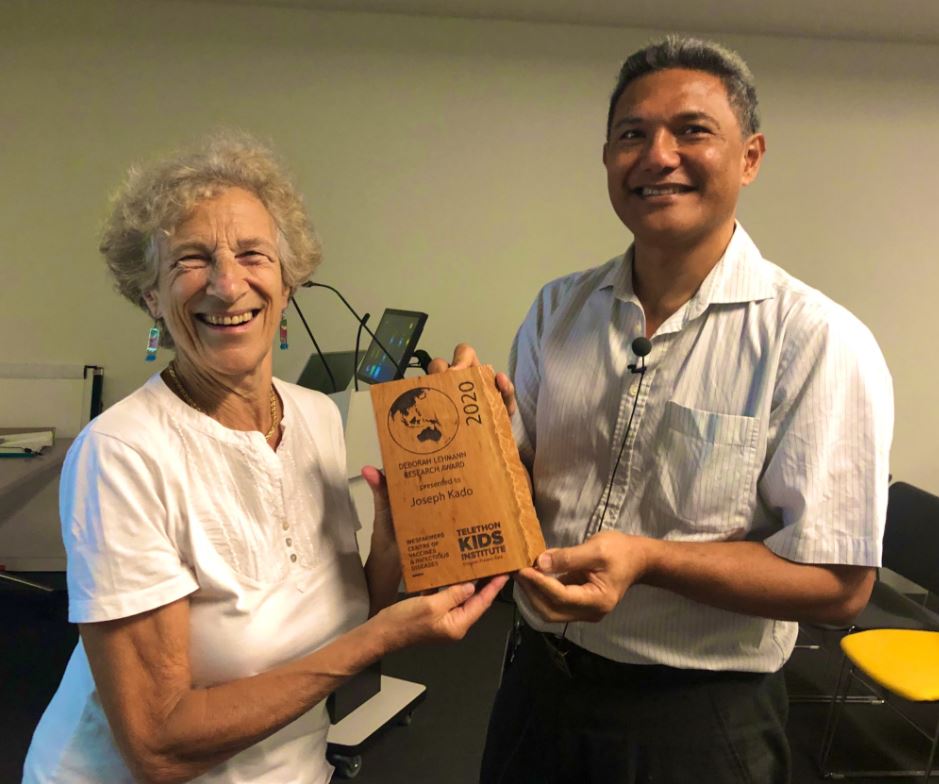
The Wesfarmers Centre has established the Deborah Lehmann Research Award to acknowledge the significant contribution that Clinical Associate Professor Deborah Lehmann AO has made to paediatric infectious disease research.
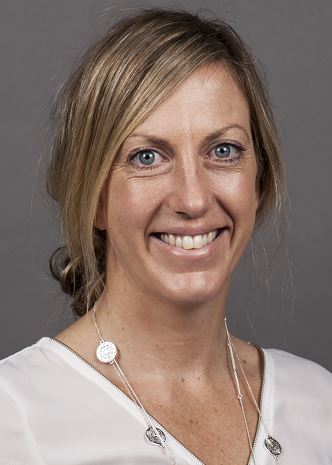
Program Manager
In 2024, the government of Western Australia introduced 'nirsevimab', a monoclonal antibody offering protection from respiratory syncytial virus (RSV), for eligible infants. This study explores why parents of infants who were eligible to receive nirsevimab opted to decline or delay the immunisation.
BK polyomavirus (BKPyV) is a common opportunistic infection in kidney transplant recipients, typically reactivating in the context of immunosuppression. Although asymptomatic in immunocompetent individuals, reactivation in transplant recipients can cause BKPyV-associated nephropathy (BKPyVAN), a leading cause of graft dysfunction and loss. BKPyV viremia affects approximately 10%-15% of transplant recipients, and once BKPyVAN is established, the risk of graft failure can exceed 50%.
Subcutaneous delivery of antibiotics is a practical alternative to intravenous administration. Ceftriaxone is commonly used for a variety of infections with limited data on the safety and pharmacokinetics of a 2 g subcutaneous dose. This was a prospective, self-controlled cross-over study in 20 stable inpatients receiving ceftriaxone for their infection. Following an intravenous dose, participants received a single dose of 2 g subcutaneous ceftriaxone, in 50 mL normal saline via gravity feed.
Socio-economic inequality and vaccination inequity have long been critical issues. However, no studies have explored the gap in influenza vaccination uptake between public and private schools. Importantly, the extent to which socio-economic inequality translates into vaccination uptake inequity has not been quantified.
To determine age-specific and age-standardised incidence trends of acute rheumatic fever (ARF) or rheumatic heart disease (RHD) among Indigenous Western Australians aged less than 35 years of age.
Obesity was a risk factor for severe COVID-19 in children during early outbreaks of ancestral SARS-CoV-2 and the Delta variant. However, the relationship between obesity and COVID-19 severity during the Omicron wave remains unclear.