
Search
MEDIA ENQUIRIES Discover. Prevent. Cure. Mailing list Media contacts About The Kids Be Inspired Please direct general enquiries to our reception on (

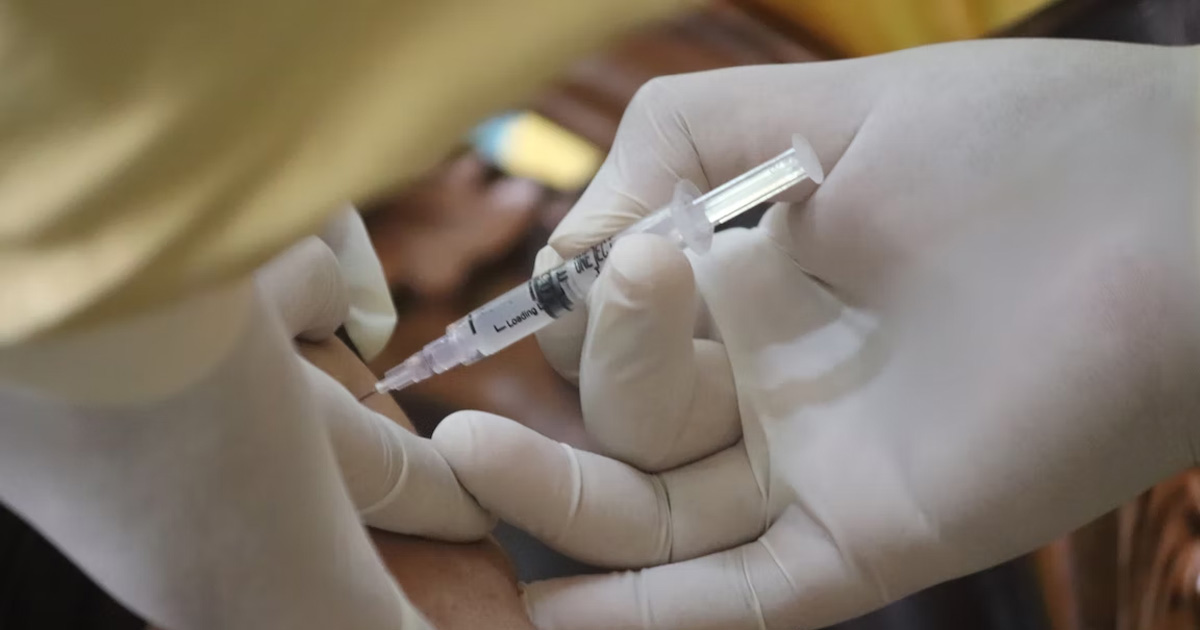
A study by The Kids Research Institute emphasizes the need to measure oxygen levels in children with pneumonia, revealing that symptoms alone may miss critical hypoxia cases.
The Kids Research Institute Australia has secured a State Government grant to prepare a nasal therapy designed to prevent childhood ear infections for a world-first clinical trial.

An international study examining Covid-19 severity on hospitalised children and adolescents has found that as the virus became more infectious, intensive care admissions dropped across multiple age groups regardless of vaccination status.
A surge in invasive group A streptococcal reports in Australia has prompted The Kids Research Institute Australia researchers to call for a unified national public health response, with cases tipped to increase.
A The Kids Research Institute Australia study has suggested the seasonal flu vaccine for children could also protect them from respiratory syncytial virus (RSV), with the dual benefit easing pressure on hospitals.
Painful monthly penicillin injections to treat and prevent Rheumatic Heart Disease (RHD) could be replaced with a longer-acting implant, a recent study has found.
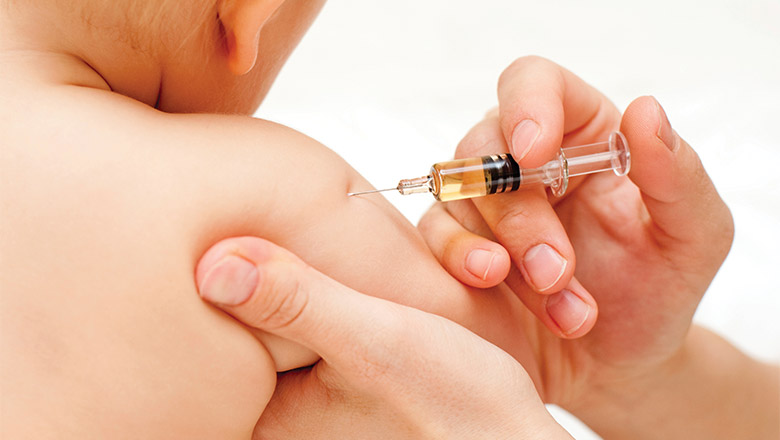
Parents of babies in Perth and Adelaide are being urged to take part in a landmark study to examine the best ways to keep their child safe from influenza this winter, amid a surge in serious infections.
People living with hepatitis C in WA are being urged to take part in a new project, aimed at encouraging the take-up of treatment.
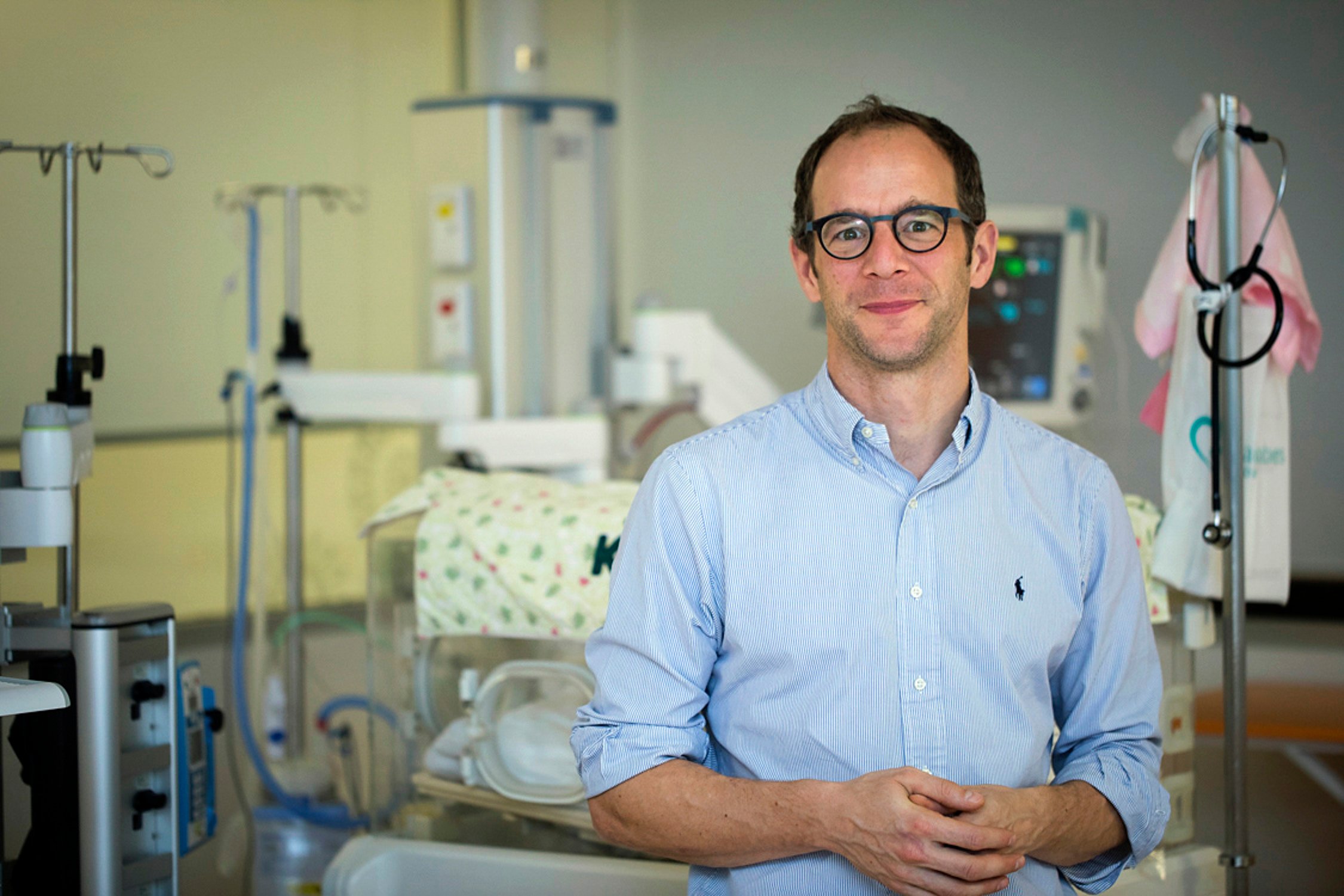
The Kids Research Institute Australia researchers will lead a new national clinical trial (COSI-2) to determine whether topical coconut oil can reduce late onset sepsis in extremely preterm infants.