
Search
Skin conditions most frequently encountered in paediatric practice include infections, infestations, atopic dermatitis, and acne. Skin of colour refers to skin with increased melanin and darker pigmentation, and reflects global racial and ethnic diversity. Managing skin conditions in skin of colour requires health equity nuance, which is rarely explicitly taught.
Social motivation is posited as a key factor in the expression of the autism phenotype. However, lack of precision in both conceptualization and measurement has impeded a thorough understanding of its diverse presentation and associated outcomes. This study addresses this gap by identifying subgroups of autism characterized by deficits in distinct facets of social motivation, relative to normative benchmarks.
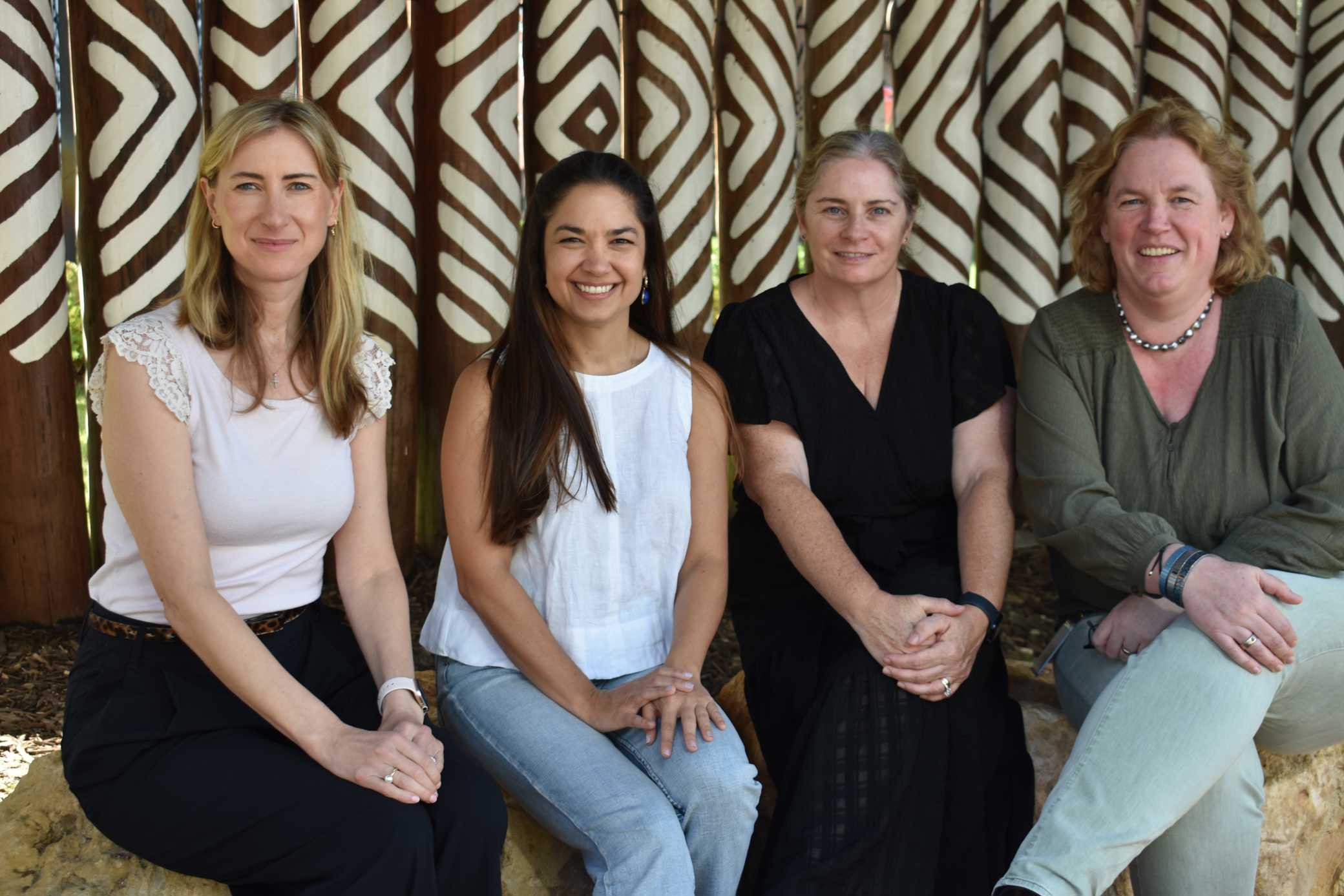
A collaborative study between UWA, Perth Children’s Hospital, The Kids and advocacy and support group Down Syndrome WA, has identified the top priorities, according to patients and carers, for clinical care and research for children with the genetic cond
This cohort study examines whether there is a temporal association between SARS-CoV-2 infection and the development of islet autoimmunity among Australian children with a first-degree relative with type 1 diabetes.
Malaria remains a leading cause of illness and death globally, with countries in sub-Saharan Africa bearing a disproportionate burden. Global high-resolution maps of malaria prevalence, incidence, and mortality are crucial for tracking spatially heterogeneous progress against the disease and to inform strategic malaria control efforts. We present the latest such maps, the first since 2019, which cover the years 2000–22. The maps are accompanied by administrative-level summaries and include estimated COVID-19 pandemic-related impacts on malaria burden.
Consumption of nitrate in drinking water has previously been associated with a range of adverse health effects, including methemoglobinemia and potentially cancer. In animal models, it has been shown to impact respiratory structure and function, however, there is a paucity of data of the effects of in utero exposure on the respiratory health of offspring.
Aboriginal and Torres Strait Islander women experience a disproportionate burden of hyperglycaemia in pregnancy. A multi-component health systems intervention aiming to improve antenatal and postpartum care was implemented across Australia’s Northern Territory (NT) and Far North Queensland (FNQ) between 2016 and 2019. Components included clinician education, improving recall systems, enhancing policies and guidelines, and embedding Diabetes in Pregnancy (DIP) Clinical Registers in systems of care. This program was evaluated to determine impacts on clinical practice and maternal health.

Two leading researchers from The Kids received significant endorsements to advance their research at last night’s Thoracic Society of Australia and New Zealand and the Australian and New Zealand Society of Respiratory Science (TSANZSRS) Annual Scientific Meeting in Adelaide.
Traditional birth attendance (TBA) remains common in Sub-Saharan Africa (SSA), impacting maternal and neonatal mortality rates. This study aimed at producing high-resolution geospatial estimates and identifying predictors of TBA-assisted childbirth in SSA.
During mitochondrial damage, information is relayed between the mitochondria and nucleus to coordinate precise responses to preserve cellular health. One such pathway is the mitochondrial integrated stress response (mtISR), which is known to be activated by mitochondrial DNA (mtDNA) damage. However, the causal molecular signals responsible for activation of the mtISR remain mostly unknown.