
Search
Early parent-child interactions have a critical impact on the developmental outcomes of the child. It has been reported that infants with a family history of autism and their parents may engage in different patterns of behaviours during interaction compared to those without a family history of autism. This study investigated the association of parent-child interactions with child developmental outcomes of those with typical and elevated likelihood of autism.
Influenza infection contributes substantially to global morbidity and mortality, with children undergoing treatment for cancer among the most vulnerable due to immunosuppression associated with disease and treatment. However, influenza remains one of the most common vaccine-preventable diseases.
Considering gender inequality in time as a resource for political participation and using Wave 5 of the European Social Survey data on 24 European countries, this study examines: (1) the relationship of both long working hours and unsociable work schedules to participation in national elections in Europe before or during 2010; (2) factors that may mediate this association; and (3) gender differences in this relationship and occupation-specific patterns.
Australian Aboriginal and/or Torres Strait Islander children in rural/remote areas suffer high rates of persistent otitis media (OM) from early infancy. We aimed to determine the proportion of Aboriginal infants living in an urban area who have OM and investigate associated risk factors.
The search for novel microRNA (miRNA) biomarkers in plasma is hampered by haemolysis, the lysis and subsequent release of red blood cell contents, including miRNAs, into surrounding fluid. The biomarker potential of miRNAs comes in part from their multicompartment origin and the long-lived nature of miRNA transcripts in plasma, giving researchers a functional window for tissues that are otherwise difficult or disadvantageous to sample.
Maternal milk feeding may have unique long-term neurodevelopmental benefits in very preterm infants. We examine the extent to which maternal milk feeding after very preterm birth is associated with cognitive, academic, and behavioral outcomes at school age.
The media plays a powerful role in shaping health-related attitudes and behaviours. We investigated media reports about children's independent mobility (CIM) and associations with parental attitudes towards CIM. CIM-related media reports (newspaper, online, television) during a 3-month period were extracted from two databases.
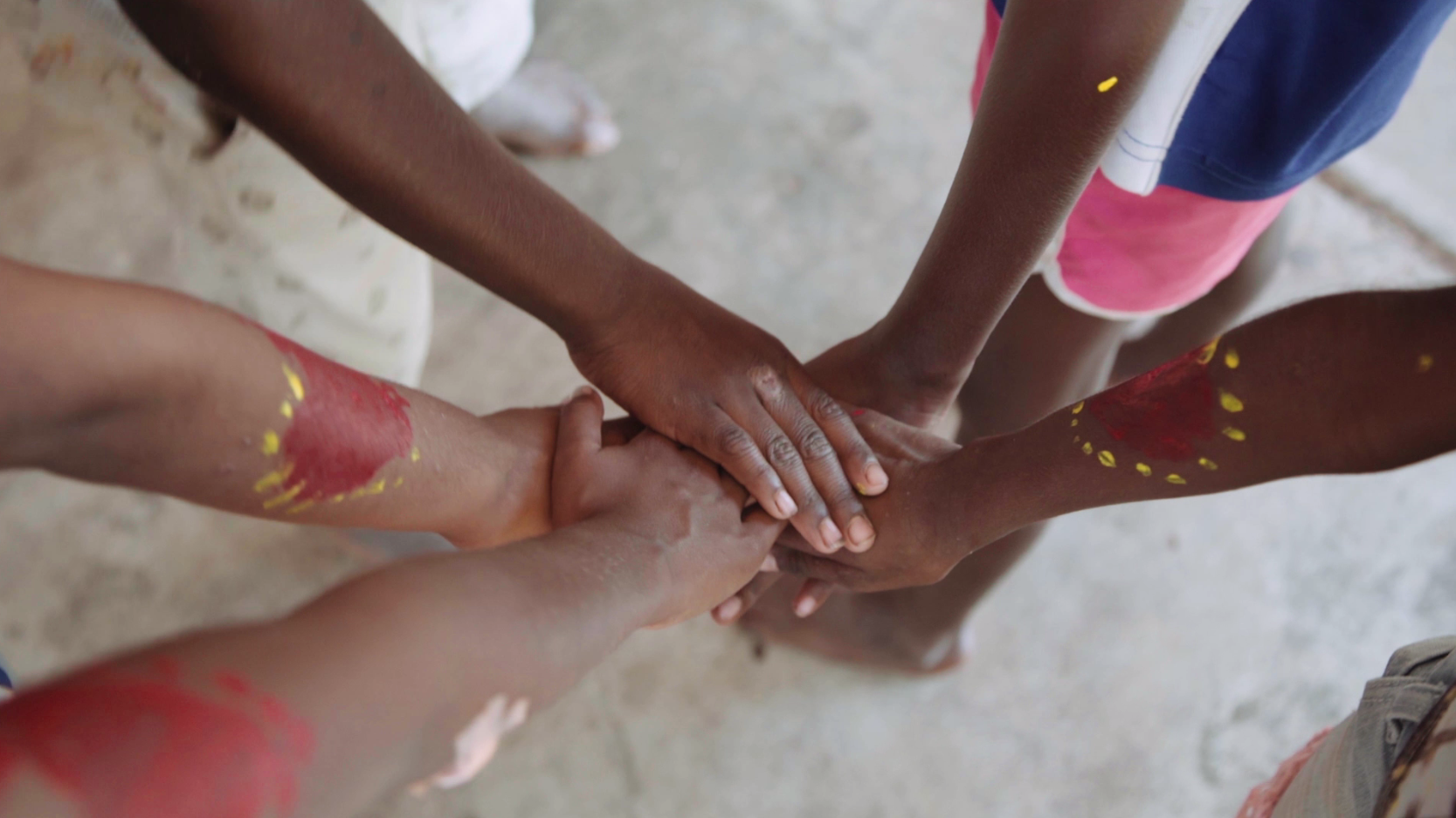
Young Aboriginal and Torres Strait Islander people receiving long-term, painful injections to prevent deadly complications from rheumatic heart disease (RHD) will design their own optimum treatment program thanks to latest research at The Kids Research Institute Australia.
Screen time guidelines recommend no screens under two years due to the potential negative impacts on development. While current reports suggest many children exceed this, research relies on parent reports of their children's screen exposure. We objectively assess screen exposure during the first two years and how it differs by maternal education and gender.
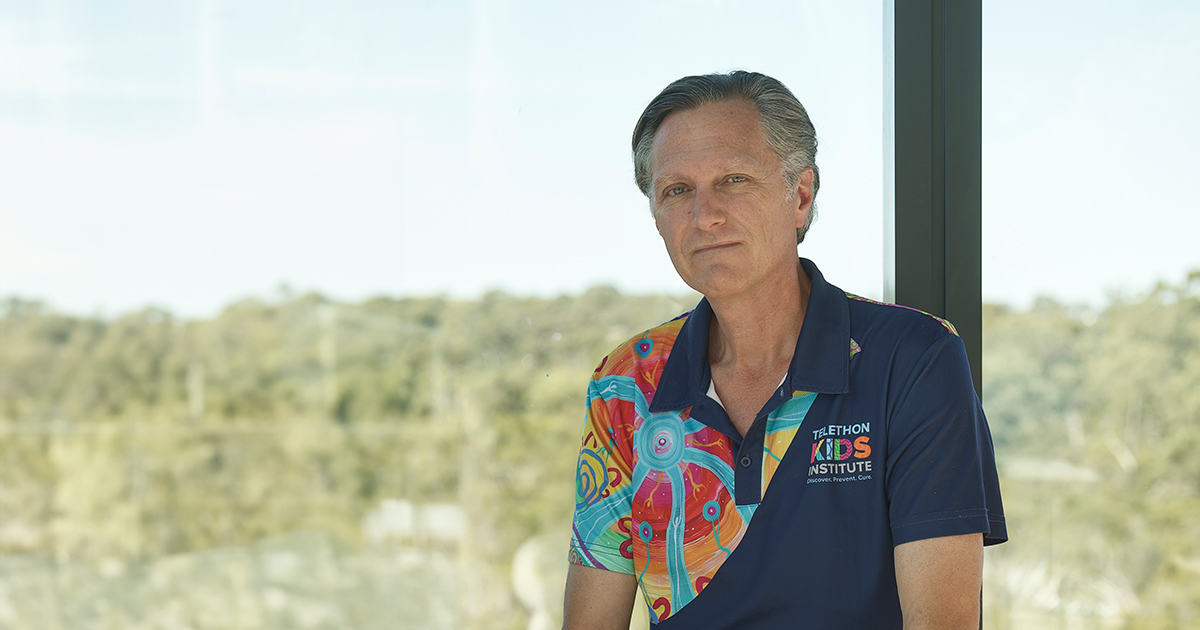
Australia has nothing to lose by voting Yes, but First Nations people have everything to gain. And if the lives of First Nations people improve, we all win.