
Search
Family-based lifestyle interventions (FBLIs) are an important method for treating childhood weight problems. Despite being recognized as an effective intervention method, the optimal structure of these interventions for children’s overweight and obesity has yet to be determined.
Primary (or elementary) school teachers are often relied upon to provide children with opportunities for physical literacy development; however, many of these teachers feel they lack the skills to effectively promote or ‘teach’ physical literacy.
Online youth-focused health programs often include parent modules—that equip parents with skills to assist their child in improving their health—alongside youth-specific content. BRAVE Self-Help, an evidence-based program designed for children and teenagers with early signs of anxiety, is a popular Australian program that includes six parent modules.
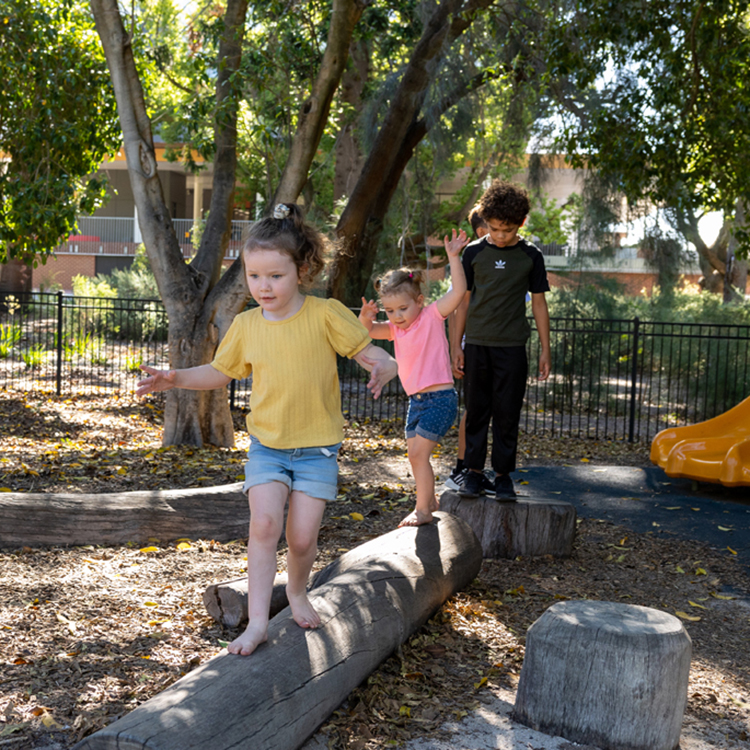
PAHL researchers use their expertise in motivation, behaviour change, resilience, communication, teamwork, confidence, and leadership to develop programs and services that improve people’s physical and mental health.

Honorary Research Associate

Honorary Research Associate

PhD Candidate
People living with severe mental illness have a reduced life expectancy when compared to the general population largely due to physical health comorbidities. Exercise is a valuable, evidence-based component of mental healthcare, with positive effects on physical health, mental health, and quality of life.
Talk-based psychotherapy and physical activity are both recognised as effective treatments for child and adolescent mental illness. Despite this, talk therapy and physical activity are rarely integrated-an approach hereafter termed "active counselling (AC)" -in clinical practice for youth mental health. The purpose of this study was to explore parents' perspectives of AC for their child who had been receiving this type of therapy from a provider in Australia. Parental perceptions were also used to identify possible psychological mechanisms underpinning the effects of AC.
Despite the well-documented benefits of exercise for adolescents’ physical and mental health, exercise remains an underutilized strategy for improving the health of trans adolescents. This is notable because, compared to their cisgender peers, trans adolescents experience greater health challenges and systemic barriers to being physically active. To date, no research has evaluated an evidence-based exercise service within specialist paediatric gender services in Australia.