
Search
Nick Rishi S. Laurence Sung Gottardo Kotecha Cheung Chiu MBChB FRACP PhD MB ChB (Hons) MRCPCH FRACP PhD BPharm (Hons) MBA PhD MBBS FRACP FRCPA PhD
Rhinoviruses (RV) are the most common respiratory viruses globally and a major cause of airway symptoms in children and individuals with asthma. Although more than 170 RV types exist across 3 species (RV-A, RV-B, RV-C), type-specific circulation patterns and age-related prevalence remain poorly defined.
Licensed recombinant protein respiratory syncytial virus (RSV) vaccines can prevent substantial morbidity in older adults. However, revaccination to prevent waning protection may be suboptimal, prompting the exploration of candidates for heterologous boosting. In this clinical trial of RSV vaccine-naive older adults, we evaluated SCB-1019T, a novel unadjuvanted bivalent RSV prefusion F (preF) protein vaccine stabilized via Trimer-Tag technology, in comparison to the licensed AS01E-adjuvanted RSV vaccine Arexvy.

Respiratory Syncytial Virus (RSV) is a year-round threat to the health of babies and young children, and one of the leading causes of infant hospitalisation in Australia. It is highly contagious and can cause anything from mild cold-like symptoms to severe lung infections such as bronchiolitis and pneumonia. For n

Global circulation of respiratory syncytial virus (RSV) is shaped by human air travel with travellers hosting new strains fuelling transmission across borders, an international The Kids Research Institute Australia study found.

Four outstanding members of The Kids Research Institute Australia family – three researchers and an Aboriginal Elder co-researcher – have been named in the Australia Day Honours List for their outstanding service to research and the community.
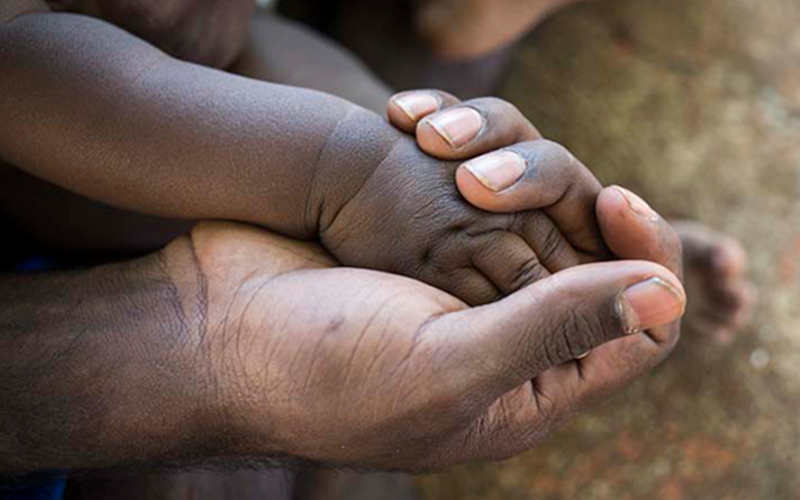
Experts are warning Aboriginal parents in Western Australia with newborn babies to be vigilant about Respiratory Syncytial Virus (RSV) as winter progresses.
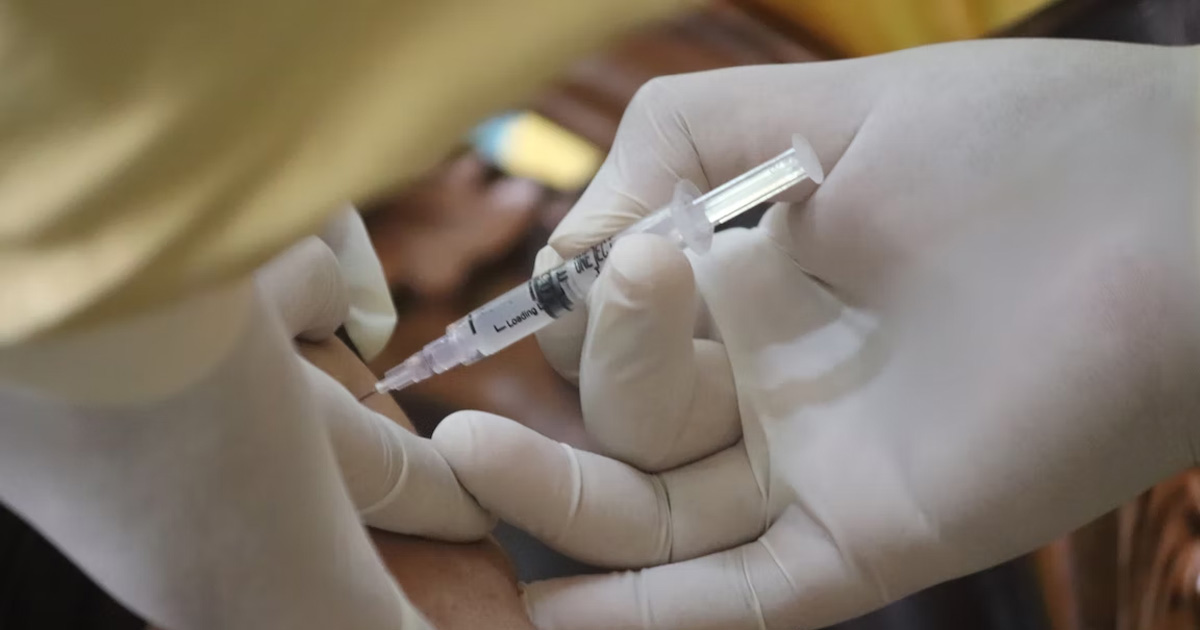
A world-first study has found a new vaccine against potentially deadly respiratory syncytial virus (RSV) is safe and effective for use in pregnant women, to help protect their babies.

World-first immunisations providing protection against deadly respiratory syncytial virus (RSV) could be just months away thanks to global research efforts spanning multiple decades.
Respiratory syncytial virus (RSV) is a major cause of acute lower respiratory infections globally in children under five years. With the development of RSV prevention strategies, understanding risk factors and relation to age and population is useful for deciding the type of program implemented.