
Search
This study evaluated GSK's combined DTPa-IPV vaccine (Infanrix-IPV) given as a fifth consecutive acellular pertussis booster dose in conjunction...
The minimum number of doses of pneumococcal conjugate vaccine required for protection is not known. We studied the immunogenicity of a reduced schedule in...
A combined DTPa-IPV booster vaccine was administered as a 4th or 5th dose after DTPa or DTPw priming.

The Infectious Disease Implementation Research Team is a multi-disciplinary group researching the best way to implement infectious disease prevention and treatment strategies to improve the wellbeing of children and teenagers.
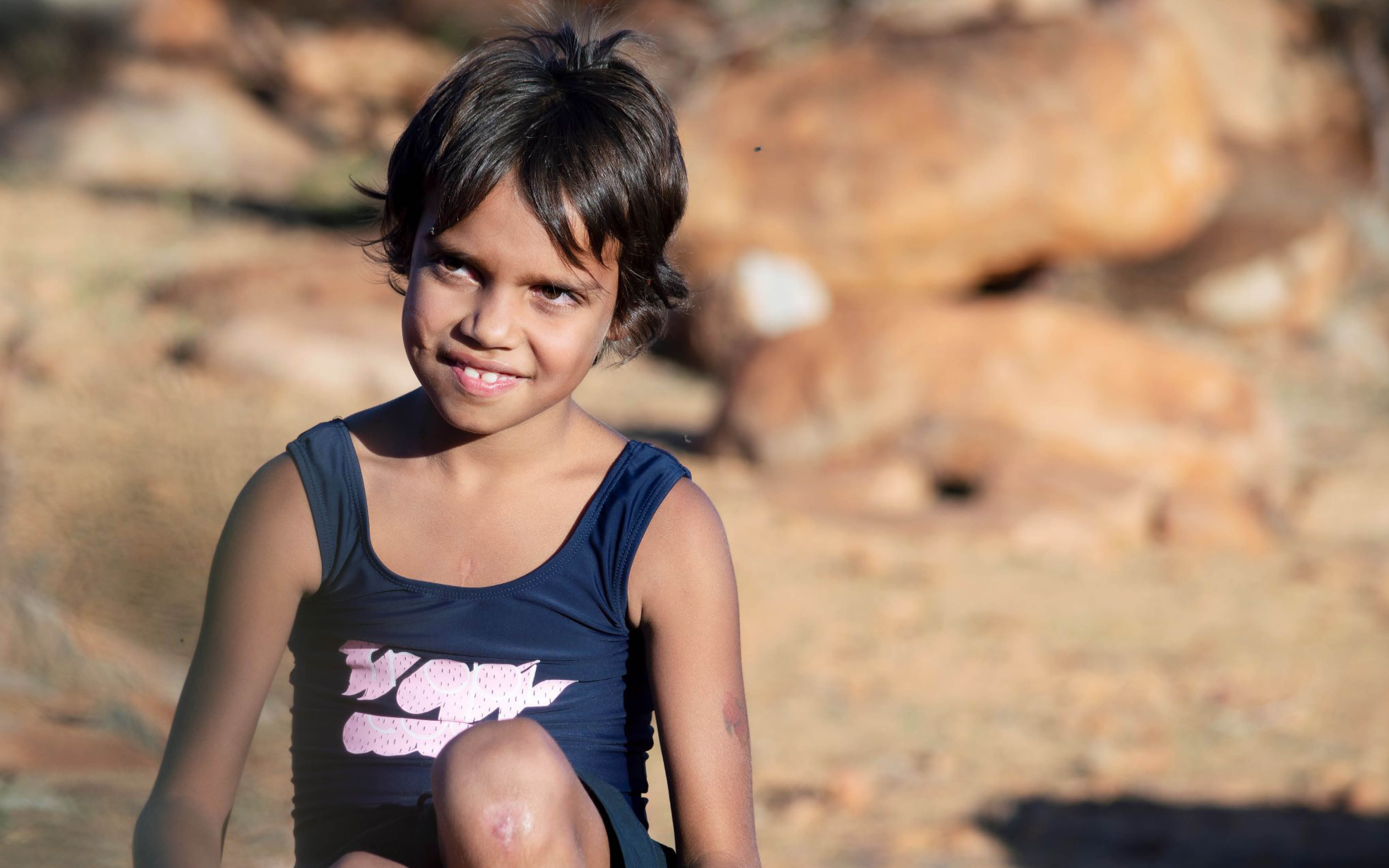
The Strep A Translation team aim to understand the epidemiology of Strep A infections in Australia and the world. Alongside this, they explore the implementation of endgame recommendations, health economics and new horizons.
Severe lower leg cellulitis presents a major burden to the health sector and is increasing with an ageing population
Severe lower leg cellulitis recurrences are frequent, and each episode increases the likelihood of subsequent recurrence and length of hospitalization
Improved public health measures targeting bacterial skin infections are needed to reduce this high burden of skin infections in Western Australia
There is a wide spectrum of disease severity in paediatric Staphylococcus aureus bacteraemia
The SA MenB vaccine carriage study aims to assess the impact of 4CMenB on carriage of N. meningitidis in adolescents