
Search
Sugar-sweetened beverages (SSBs) account for a significant proportion of sugar in the diet of children and are directly associated with obesity in this group. While there have been many studies on adolescent SSB consumption, few studies have examined the predictors of SSB consumption in primary-school-aged children. The aim of this study was to understand the degree to which a child's consumption across a range of beverages is influenced by their own attitudes and by their parents' attitudes and parents' consumption behaviours.
Desiree Dr Jackie Susan Lisa Zenobia Silva Davis Prescott Gibson Talati MBBS, FRACP, MPH, PhD BSc (Hons), PGradDipHlthProm, PhD MBBS BMedSci PhD
The current narrative surrounding children’s health and wellbeing often focuses on adversity and dysregulation with a lack of positive messaging. However, promoting protective and buffering factors may be as important as reducing adverse exposures. While the concept of flourishing is commonly applied in the context of adults, defining what flourishing means for children in current academic literature remains unclear.
The majority of Australian children exceed the World Health Organization's recommended dietary intake of free sugar, particularly through the consumption of sugar-sweetened beverages. Front-of-pack nutrition labels increase perceived risk and deter the consumption of sugar-sweetened beverages.
Concerns persist regarding the potential long-term effects of general anaesthesia on brain development in children. This narrative review summarises recent preclinical and clinical evidence (2019-25) and updates consensus messages.
Exposure to food advertising is associated with consumption. Globally, most outdoor food advertisements feature unhealthy foods or beverages. As Australian local government areas begin developing restriction policies, the feasibility of applying nutrient-based Nutrition Classification Systems to outdoor advertising requires evaluation.
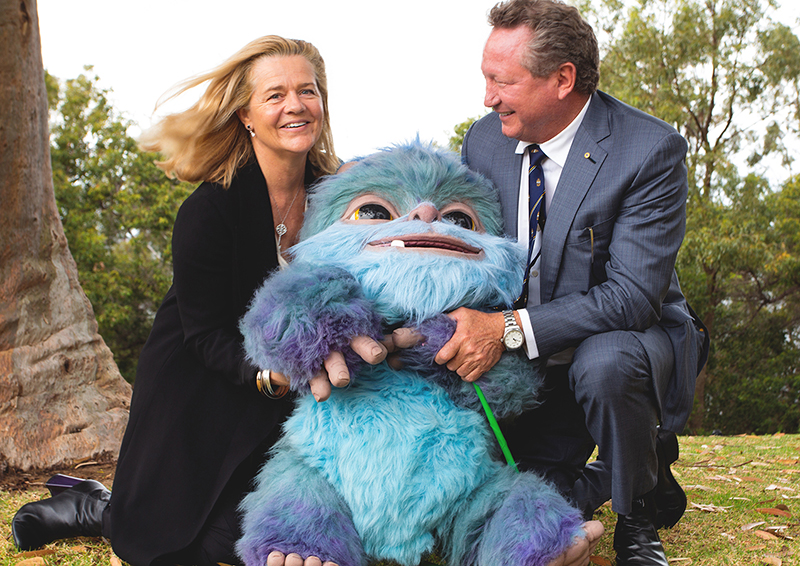
A national campaign launched on Channel 7’s Telethon aims to build community understanding of the amazing untapped potential of a baby’s developing brain, through a remarkable animated creature.

An InFocus Research Interview with Kirsten Hancock of the Human Capability Team at The Kids Research Institute Australia on multigenerational disadvantage in Australia.
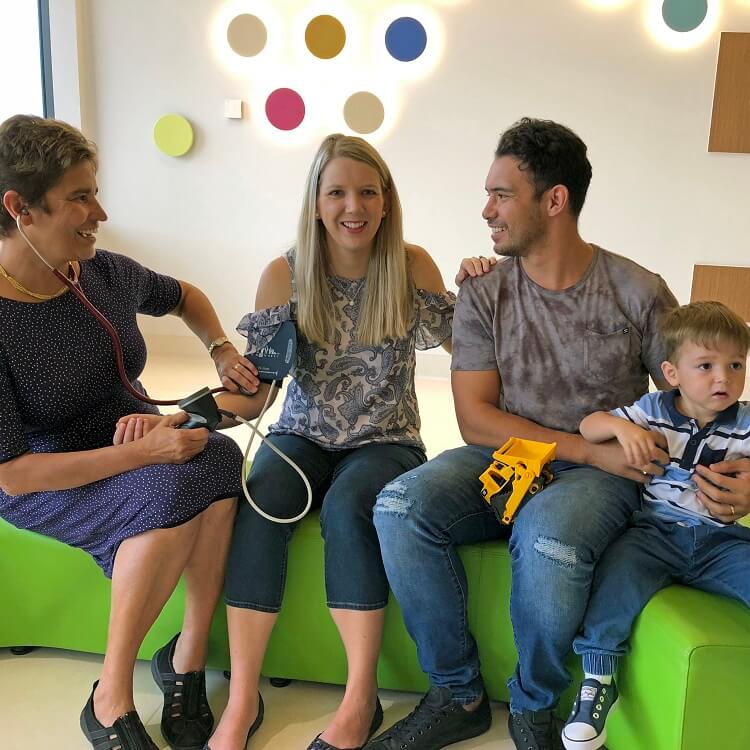
ORIGINS, a collaboration between The Kids and the Joondalup Health Campus, has achieved a major milestone – recruiting its 1000th family.
we the people worked with CoLab, a partnership between The Kids and Minderoo Foundation, to investigatethe needs of local families with children aged 0to8