
Search
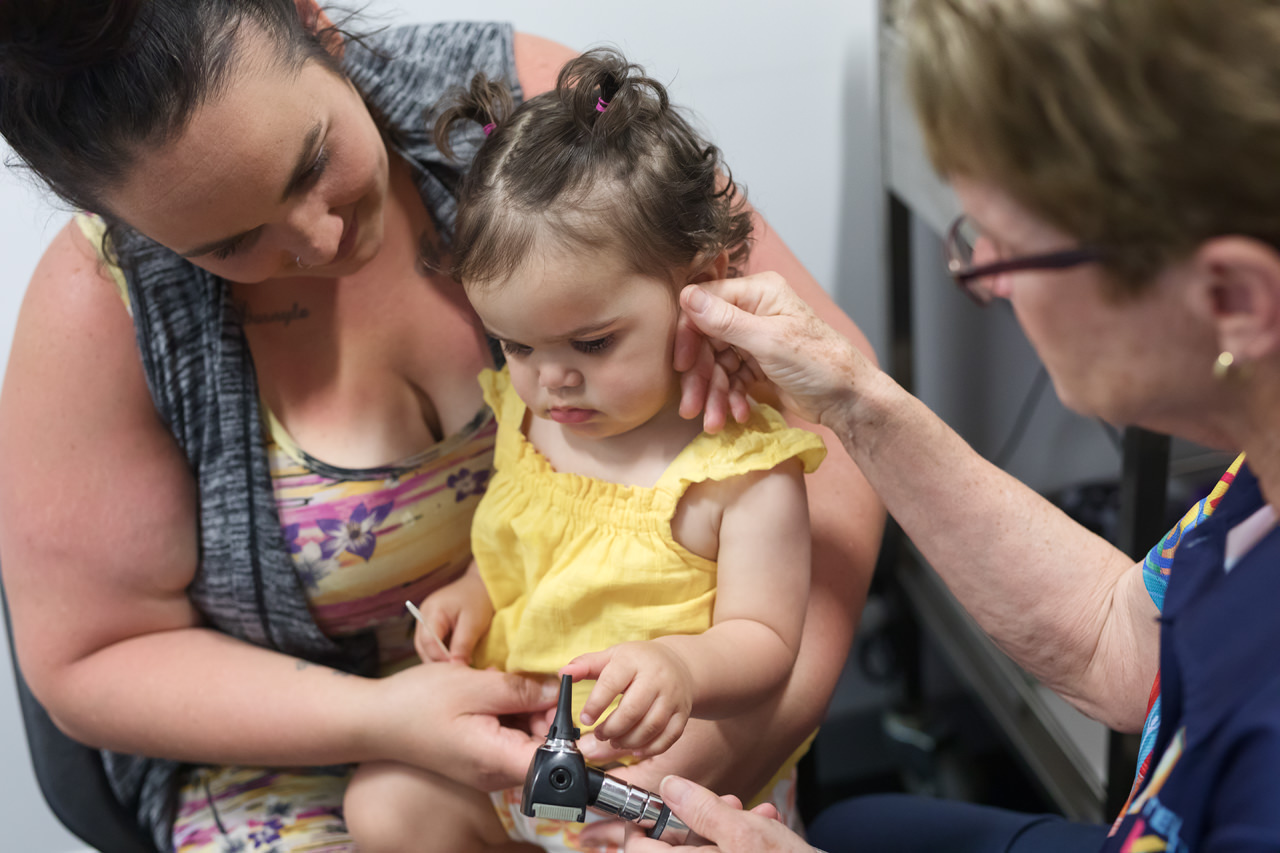
Researchers from The Kids Research Institute Australia have been awarded a $1.1 million NHMRC ‘Targeted Call for Hearing Health’ grant to conduct the first ever study following Aboriginal babies from birth through to five years to uncover the true prevalence of middle ear infections and hearing loss.
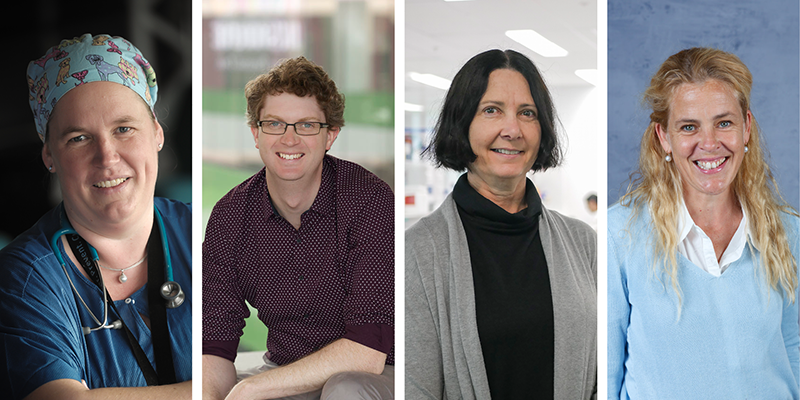
Research projects sharing in a $2.1 million funding boost will seek to translate research findings into changes that benefit patients and help the health system run more efficiently.
(Central) Auditory Processing Disorder ([C]APD) is an umbrella term for children who have difficulty with listening, despite normal hearing. Children with (C)APD frequently experience academic, behavioural, emotional, cognitive and social difficulties, and lack accessible, long-lasting wholistic treatments. Hence, a transdisciplinary intervention has been developed – Auditory-Cued Exercise Therapy.

Aboriginal health is everyone's business. The needs of Aboriginal and Torres Strait Islander families and kids is integrated into all relevant areas of our work. Improving the health and wellbeing of Aboriginal and Torres Strait Islander kids and families is an overarching priority for every team at The Kids.
Congenital cytomegalovirus (cCMV) is a common infection at birth with the potential to cause significant and permanent morbidity, most commonly hearing loss. Targeted cCMV testing programmes use hearing loss as an indicator of an infant being at high risk of the infection and thereby can 'target' or focus testing on those at greatest risk. Australian and International guidelines recommend that high-risk infants be offered cCMV testing, yet across Australia, a formal testing system does not exist.
Chronic suppurative otitis media (CSOM) is a leading global cause of potentially preventable hearing loss in children and adults, associated with socioeconomic deprivation. There is an absence of consensus on the definition of CSOM, which complicates efforts for prevention, treatment, and monitoring.
This study evaluated the clinical utility of the Parent Listening and Understanding Measure (PLUM) questionnaire as a potential screening tool for otitis media (OM) and associated hearing loss in Aboriginal and/or Torres Strait Islander and non-Aboriginal children.
Chronic suppurative otitis media (CSOM), sometimes referred to as chronic otitis media, is a chronic inflammation and often polymicrobial infection (involving more than one micro-organism) of the middle ear and mastoid cavity, characterised by ear discharge (otorrhoea) through a perforated tympanic membrane.
Chronic suppurative otitis media (CSOM), sometimes referred to as chronic otitis media (COM), is a chronic inflammation and often polymicrobial infection of the middle ear and mastoid cavity, characterised by ear discharge (otorrhoea) through a perforated tympanic membrane. The predominant symptoms of CSOM are ear discharge and hearing loss. Topical antiseptics, a possible treatment for CSOM, inhibit the micro-organisms that may be responsible for the infection. Antiseptics can be used alone or in addition to other treatments for CSOM, such as antibiotics or ear cleaning (aural toileting). However, the effects of topical antiseptics for CSOM remain unclear. This is an update of a review last published in 2020, with one new study added. It is one of a suite of seven Cochrane reviews evaluating the effects of non-surgical interventions for CSOM
Chronic suppurative otitis media (CSOM), sometimes referred to as chronic otitis media (COM), is a chronic inflammation and often polymicrobial infection of the middle ear and mastoid cavity, characterised by ear discharge (otorrhoea) through a perforated tympanic membrane. The predominant symptoms of CSOM are ear discharge and hearing loss. Topical antiseptics, a possible treatment for CSOM, inhibit the micro-organisms that may be responsible for the infection. Antiseptics can be used alone or in addition to other treatments for CSOM, such as antibiotics or ear cleaning (aural toileting). However, the effects of topical antiseptics for CSOM remain unclear. This is an update of a review last published in 2020, with one new study added. It is one of a suite of seven Cochrane reviews evaluating the effects of non-surgical interventions for CSOM