
Search

In Perth, The Kids Research Institute Australia is spearheading global efforts to tackle this insidious bacterium and reduce its impact on kids’ health.
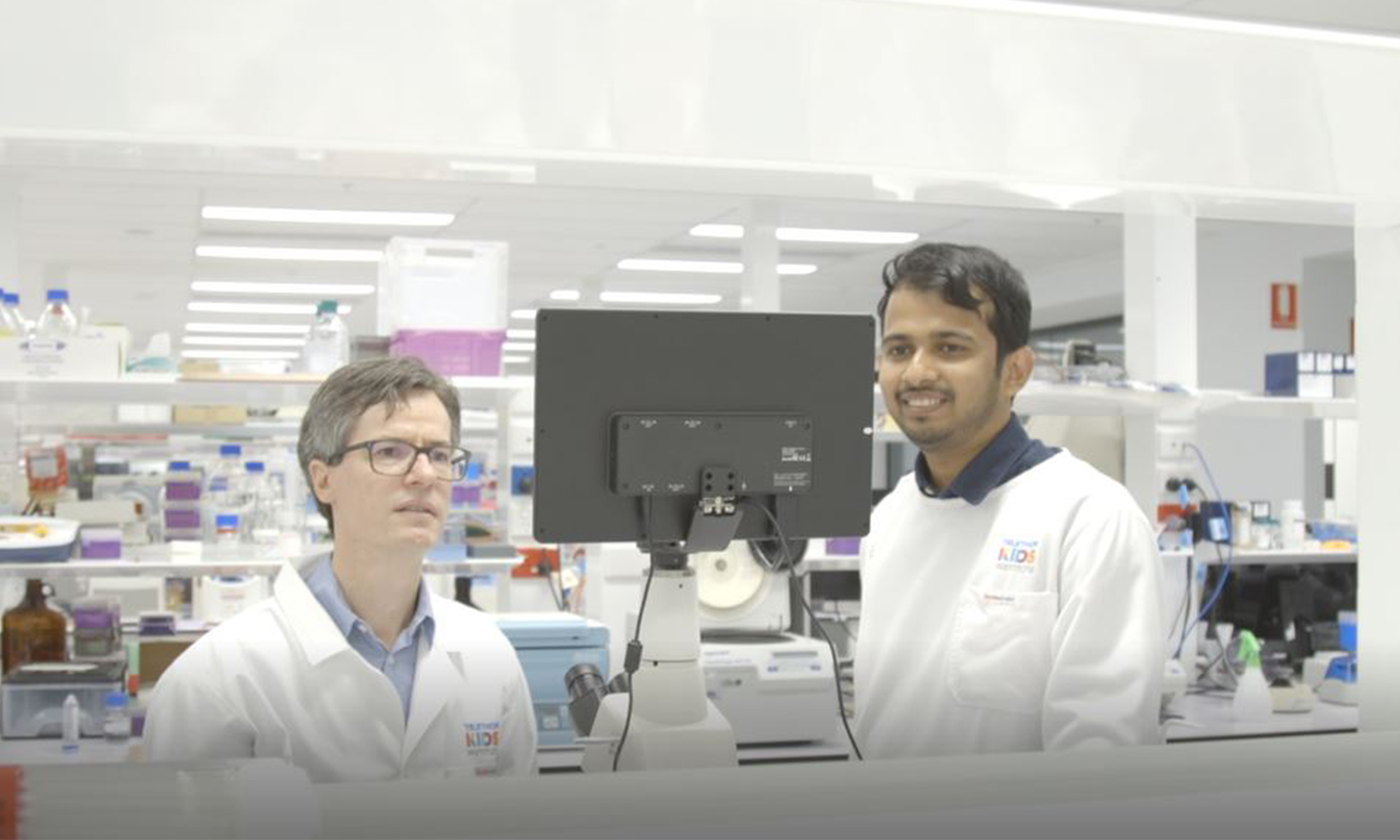
Vital research aiming to improve the treatment of potentially deadly Group A Streptococcus (Strep A) has been awarded $820,000 in the latest round of National Health and Medicine Research Council’s Ideas Grants.
Acute rheumatic fever is an autoimmune disorder resulting from Group A Streptococcus pharyngitis or impetigo in children and adolescents, which may evolve to rheumatic heart disease (RHD) with persistent cardiac valve damage. RHD causes substantial mortality and morbidity globally, predominantly among socioeconomically disadvantaged populations, with an interplay of social determinants of health and genetic factors determining overall risk.
Improving our understanding of superficial Streptococcus pyogenes (Strep A) carriage and transmission necessitates robust sampling methods. Here, we compared the effect of storing swab samples in fridge (+4°C) and freezer (-20°C) conditions on the recovery of laboratory-cultured S. pyogenes.
Scabies and related bacterial skin and soft tissue infections are highly prevalent in many tropical, low- and middle-income settings. These skin conditions contribute to higher healthcare costs and burdens on healthcare systems.
Benzathine benzylpenicillin is a globally indispensable medicine.
Invasive Group B Streptococcus remains a leading cause of infant morbidity and mortality. Intrapartum antibiotic prophylaxis has been implemented in many countries with a reduction in early-onset disease, but an effective vaccine may further reduce the disease burden. Candidate vaccines targeting capsular polysaccharides and surface proteins are now in clinical trials.
Streptococcus pyogenes (Strep A) is a leading cause of morbidity and mortality across the globe, annually causing hundreds of millions of cases of disease.
The spectrum of diseases caused by Streptococcus pyogenes (Strep A) ranges from superficial to serious life-threatening invasive infections. We conducted a scoping review of published articles between 1980 and 2021 to synthesize evidence of state transitions across the Strep A disease spectrum. We identified 175 articles reporting 262 distinct observations of Strep A disease state transitions.
Antibiotic consumption can lead to antimicrobial resistance and microbiome imbalance. We sought to estimate global antibiotic consumption for sore throat, and the potential reduction in consumption due to effective vaccination against group A Streptococcus.