
Search
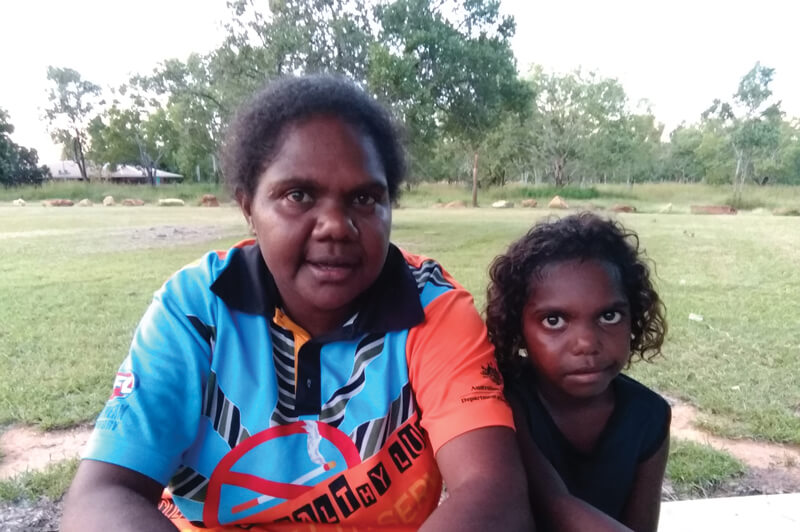
Collaboration is the driving force behind ‘END RHD Demonstration Communities’ – a new community-driven, research-backed approach to tackling rheumatic heart disease (RHD) in remote Australia.
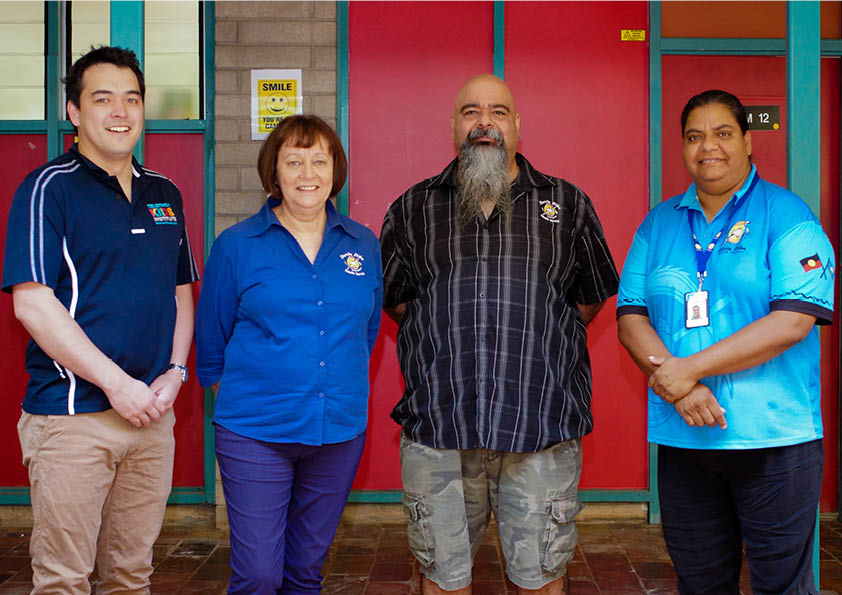
The Kids Research Institute Australia and Menzies School of Health Research have joined forces with Danila Dilba Health Service to look at improving treatment for RHD.
A new report predicts rheumatic heart disease (RHD) will lead to over 500 preventable deaths and cost the Australian health system $317 million by 2031 if no further action to tackle the disease is taken.
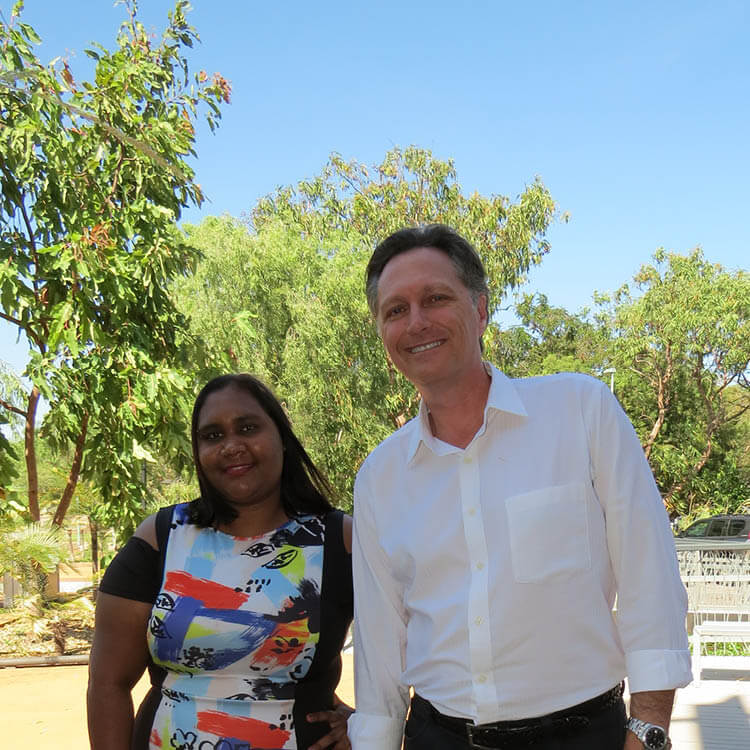
The Kids Research Institute Australia & Menzies School of Health Research will lead an international project to develop a diagnostic tool for acute rheumatic fever.
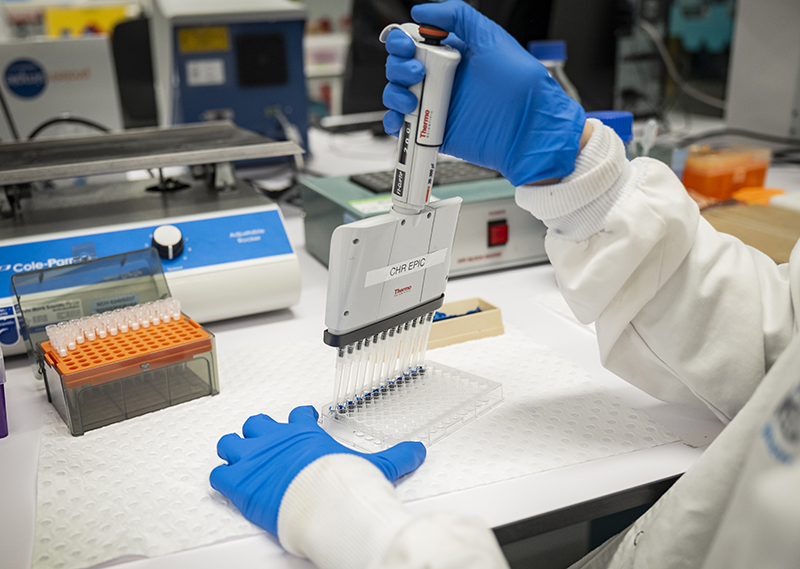
Researchers from The Kids Research Institute Australia have been awarded more than $11 million to support vital child health projects, under the Federal Government’s Medical Research Future Fund.
The END RHD CRE is producing a costed, step-wise strategy to end rheumatic heart disease (RHD) as public health priority in Australia.

The END RHD CRE focuses priority research projects that will help achieve the singular target of producing the Endgame Strategy.
Between 3rd - 5th May 2018, researchers from Australia, New Zealand, South Africa, and the United States (representing their Uganda collaboration) convened in Fremantle, Western Australia to attend the Strep A Spectrum Meetings: from Science to Strategy.

Learn more about the background and motivations of END RHD CRE Research Fellow Simone Reynolds.
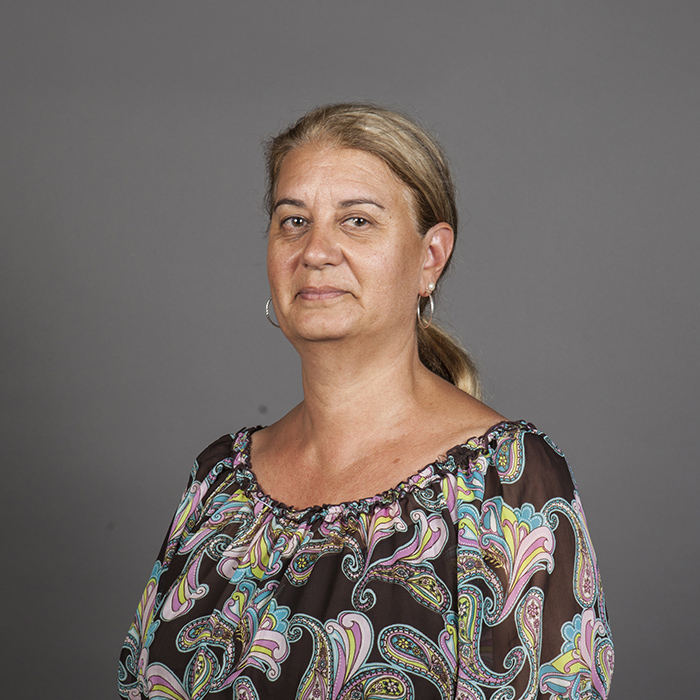
After being diagnosed with rheumatic heart disease at ten, Elizabeth had to leave country and her family for a large chunk of her childhood so she could be treated in Adelaide.