
Search
Lesbian, gay, bisexual and transgender parents are often reluctant to disclose their sexual orientation to health professionals for fear of discrimination...
Qualitative research on sensitive topics (e.g. abuse, mental health difficulties, discrimination) is needed to understand lived experiences of complex issues. However, this type of research raises concerns about potential adverse effects on participants, especially with younger participants and those from marginalized populations. In this study, we conducted a reflexive thematic analysis of 20 trans adolescents’ (14–18 years of age) experiences of participating in research about their stigma experiences.
Many trans young people seek mental health support and gender-affirming medical interventions including puberty suppression, gender-affirming hormones and/or surgeries. Trans young people and their parents face multiple barriers in accessing gender-affirming care and mental health support, however little is known about the parent perspective on accessing services for their trans child.
Mental ill-health, substance use and their co-occurrence among sexuality diverse young people during earlier adolescence is relatively understudied. The preventive utility of positive school climate for sexuality diverse adolescents' mental health is also unclear, as well as the role of teachers in conferring this benefit.
To examine whether commonly used items measuring childhood conformity to gender roles are associated with sexual orientation in young adulthood.
This paper outlines practical tips for inclusive healthcare practice and service delivery, covering diversity aspects and intersectionality. A team with wide-ranging lived experiences from a national public health association's diversity, equity, and inclusion group compiled the tips, which were reiteratively discussed and refined. The final twelve tips were selected for practical and broad applicability.

Youth mental health researcher Penelope Strauss has been named an AMP Tomorrow Maker – the first researcher from The Kids Research Institute Australia to win one of the annual AMP Foundation grants.
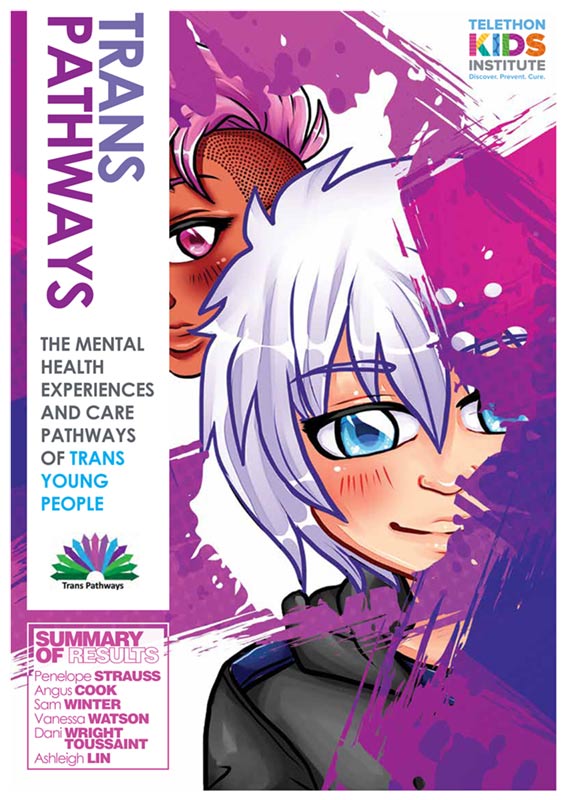
Trans Pathways is the largest ever survey conducted into the mental health of trans young people in Australia.

We have launched a national survey to investigate how we can better support young people who don't identify as the gender they were assigned at birth.
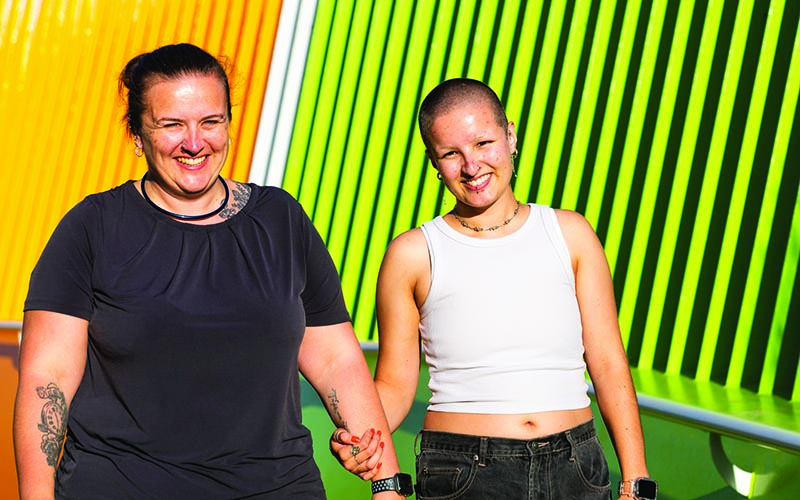
A new website for parents of trans children and young people across Australia is expected to improve family wellbeing and ultimately save lives after launching in May 2023.