
Search
Healing Right Way (HRW) aimed to improve health outcomes for Aboriginal Australians with stroke or traumatic brain injury by facilitating system-level access to culturally secure rehabilitation services. Using a stepped-wedge randomised controlled trial design, a two-pronged intervention was introduced in four rural and four urban hospitals, comprising cultural security training for staff and training/employment of Aboriginal Brain Injury Coordinators to support Aboriginal patients for 6-months post-injury.
Premature onset of type 2 diabetes and excess mortality are critical issues internationally, particularly in Indigenous populations. There is an urgent need for developmentally appropriate and culturally safe models of care. We describe the methods for the codesign, implementation and evaluation of enhanced models of care with Aboriginal and Torres Strait Islander youth living with type 2 diabetes across Northern Australia.
Discharge against medical advice (DAMA) is a priority issue for the health system. Little is known about the factors associated with DAMA for Aboriginal and/or Torres Strait Islander (Aboriginal) children in Australia.
Indigenous Australians harbour rich and unique genomic diversity. However, Aboriginal and Torres Strait Islander ancestries are historically under-represented in genomics research and almost completely missing from reference datasets. Addressing this representation gap is critical, both to advance our understanding of global human genomic diversity and as a prerequisite for ensuring equitable outcomes in genomic medicine.
Type 2 diabetes mellitus (T2DM) is highly prevalent within the Indigenous Australian community. Novel glucose monitoring technology offers an accurate approach to glycaemic management, providing real-time information on glucose levels and trends. The acceptability and feasibilility of this technology in Indigenous Australians with T2DM has not been investigated.
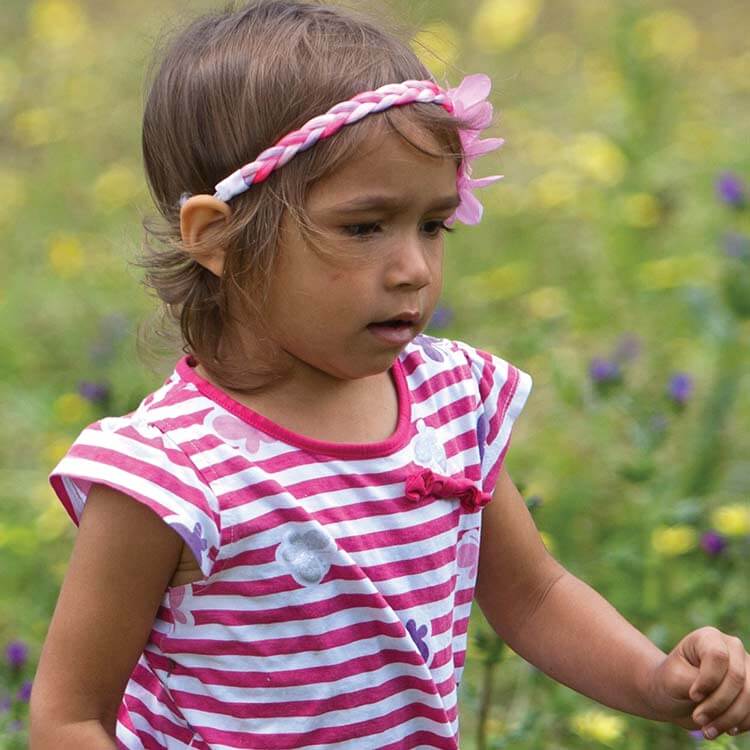
The Aboriginal Health and Wellbeing Team follows an holistic definition of Aboriginal Health which means that health is not just the physical wellbeing of an individual but includes the social, emotional and cultural wellbeing of the whole community.
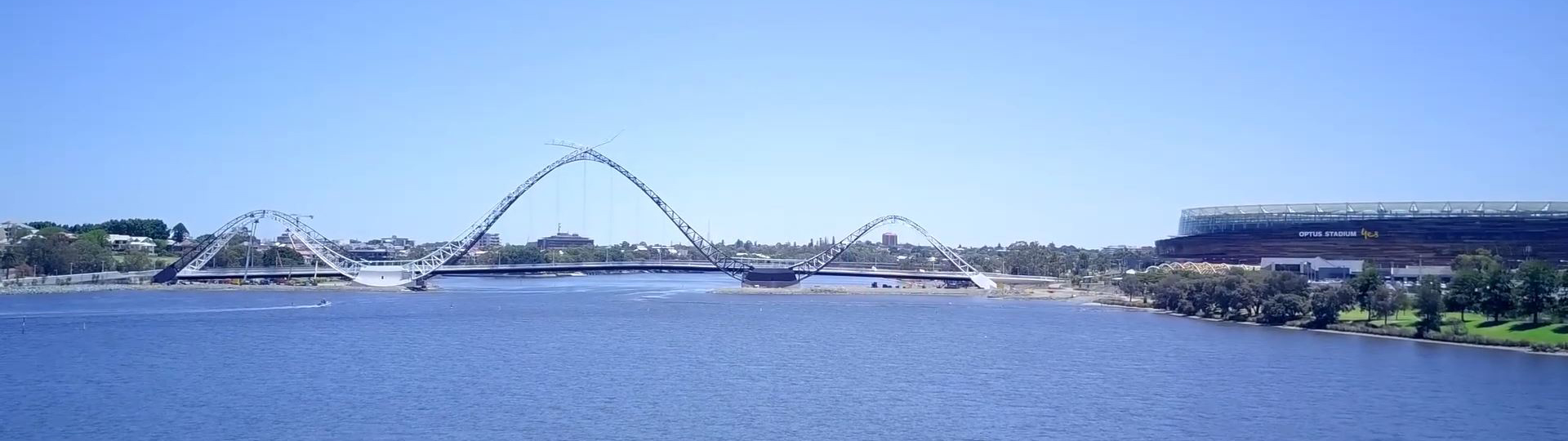
The fifth Big Elders meeting/gathering was held on the Wednesday, 28th of February 2024 at Burswood on Swan.
This research project was part of the broader Ngulluk Koolunga Ngulluk Koort (Our Children, Our Heart) five-year (2016 to 2020) project.
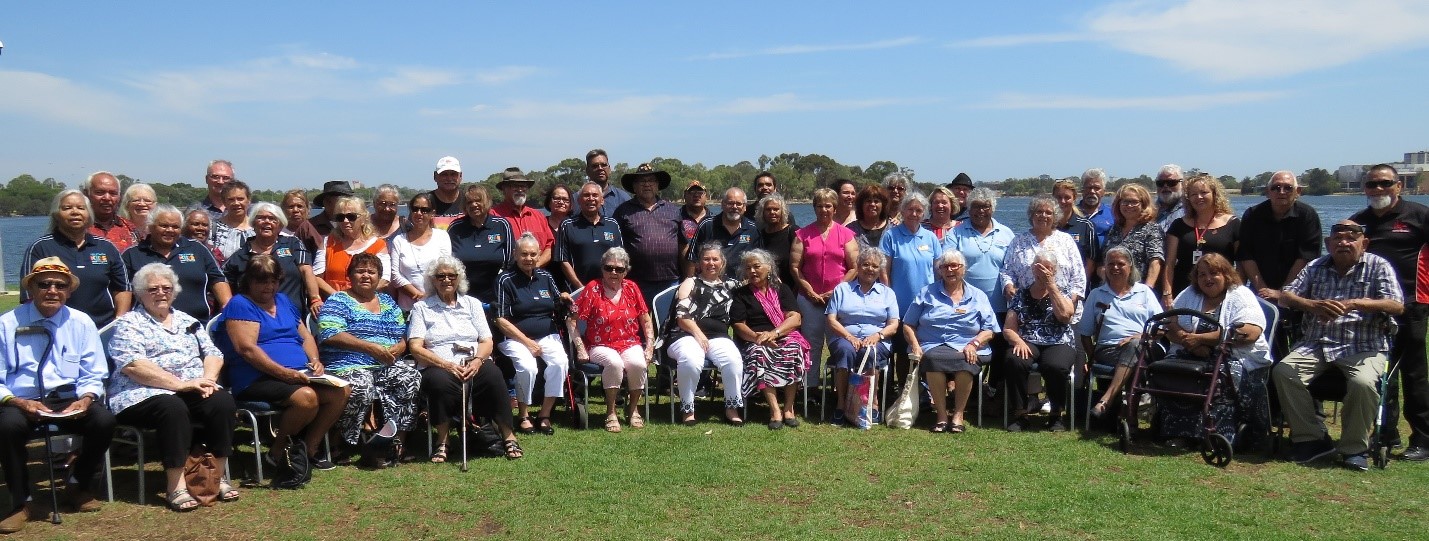
The third Big Elders meeting/gathering was held on the 26th of February 2019 at Burswood on Swan.
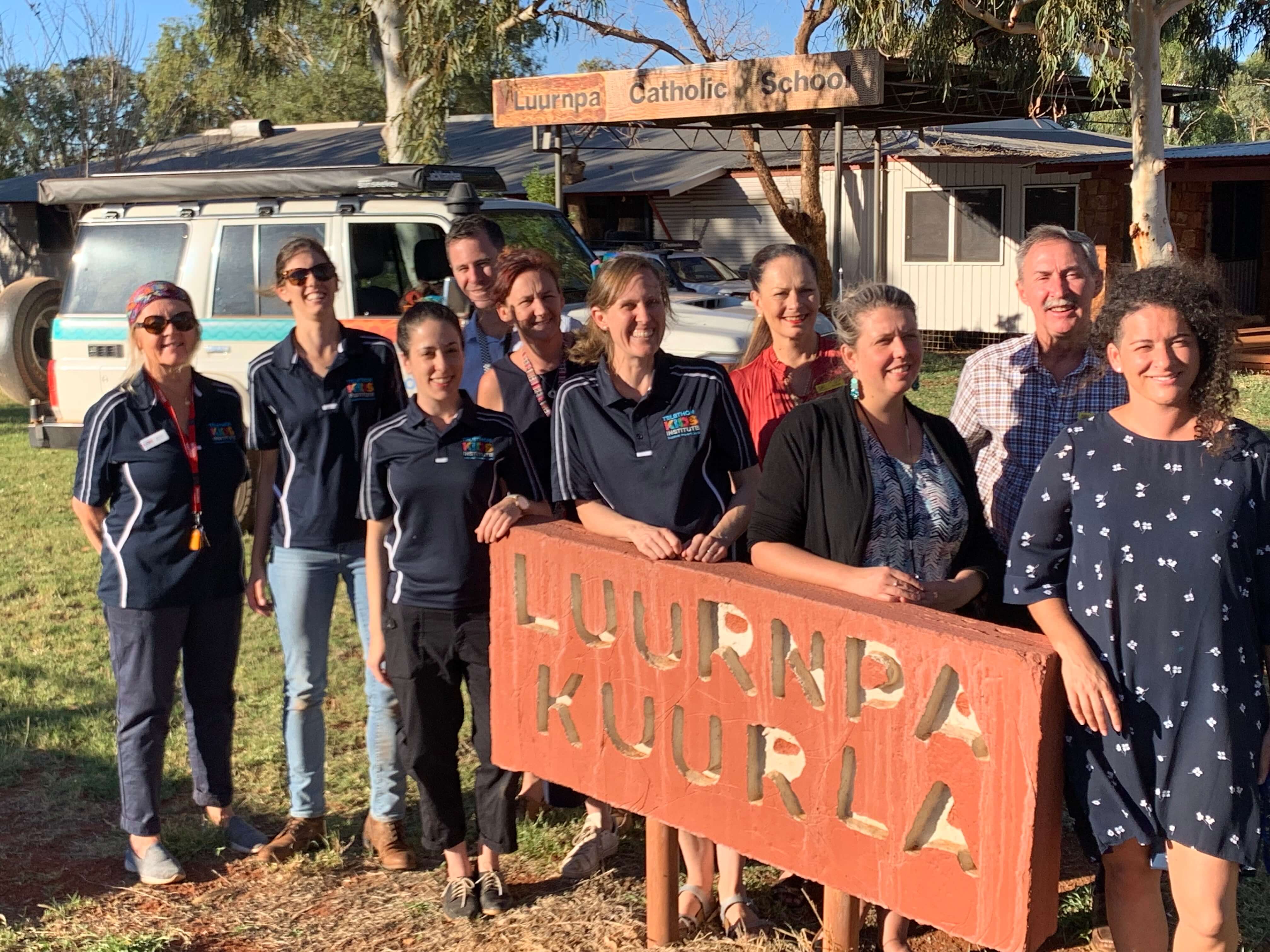
The The Kids Skin Health team has a busy six weeks ahead - visiting nine communities throughout the Kimberley region of WA as part of the first school surveillance activities for the SToP Trial.