
Search
Tom Snelling BMBS DTMH GDipClinEpid PhD FRACP Head, Infectious Disease Implementation Research 08 6319 1817 tom.snelling@thekids.org.au Head,
An innovative response-adaptive approach to driving improvements in health outcomes, applied to cystic fibrosis.
"Billboard Busters: Exploring Children's Views on Outdoor Advertising" is a groundbreaking study that examines schoolchildren's attitudes towards outdoor advertisements.
The Bright Tomorrows app developed at The Kids Research Institute Australia aims to assist parents of children aged 0-5 years to support their child to develop the building blocks of several essential life skills.
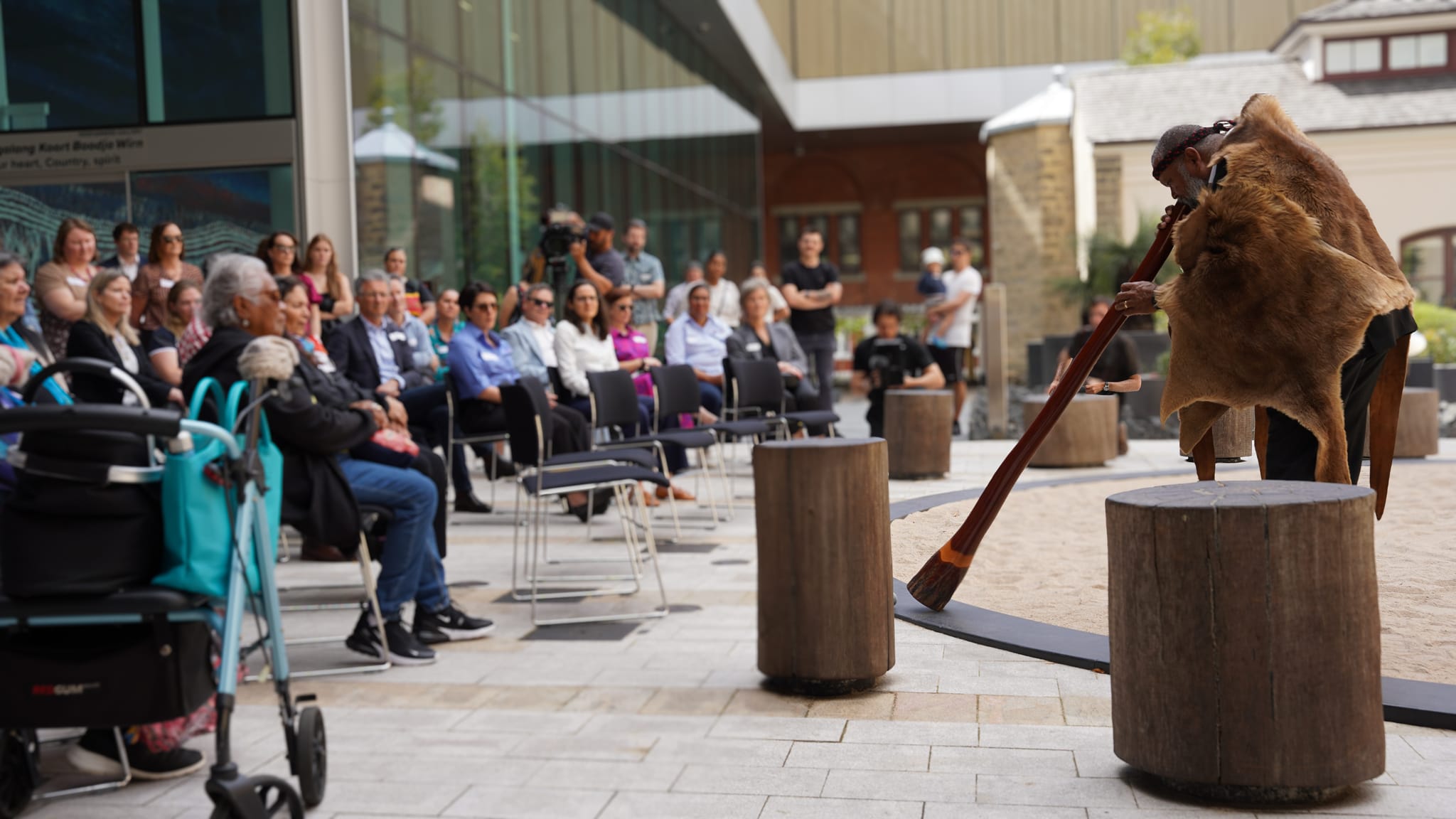
The impact of colonisation, genocide, and continuing discriminatory policies have created a context for ongoing disadvantage, trauma, and high rates of mental health issues for Aboriginal and Torres Strait Islander young people.
The Building Out Bullying project is funded by Healthway and aims to generate policy-relevant evidence, system-level guidelines, and school-based interventions to improve the bullying behaviour and mental health of children attending primary and secondary school in Western Australia.
Asha Tom Bowen Snelling BA MBBS DCH FRACP PhD GAICD FAHMS OAM BMBS DTMH GDipClinEpid PhD FRACP Head, Healthy Skin and ARF Prevention Head, Infectious
The Kids Research Institute Australia was awarded funding to establish a whole-of-state Centre of Linked Data Analytics and Social Policy.
Andrew Helen Jenny Peter Videos Whitehouse Watch and listen to Andrew Leonard Downs Jacoby PhD MBChB MPH BApplSci (physio) MSc PhD BA (Hons) MSc
Jane Pillow BMedSci (Dist) MBBS, PhD (Dist) FRACP Head, Developmental Chronobiology jane.pillow@thekids.org.au Head, Developmental Chronobiology