
Search
The everyday use of plastic products exposes us to plastic-associated chemicals (PACs), which have been associated with risks to human health. We present the results of the Plastic Exposure Reduction Transforms Health Trial, with an observational cohort of 211 Australian participants and a 7-day pilot randomized controlled trial in 60 participants. Intervention groups received combinations of plastic-free kitchenware, low-plastic personal-care products and food sourced from more than 100 producers that minimized all plastic touchpoints from paddock to plate, while the control group received no intervention.
Functional studies of how early-life interventions shape the airway microbiome remain scarce. Here, we performed metagenomic sequencing of 704 longitudinal nasal swabs from infants with and without cystic fibrosis (CF) to construct and characterize a non-redundant gene atlas of the infant nasal microbiome. We aimed to determine how the nasal microbiome is perturbed by early therapies, as CF is commonly treated with inhaled hypertonic saline to improve mucociliary clearance.
Childhood emotional abuse (CEA) has been linked to response-focused emotion regulation in adulthood. However, the underlying mechanisms remain unexplored. This pre-registered study examined whether shame mediates the association between CEA history and aversive cognitive perseveration (ACP), including brooding rumination, experiential avoidance and emotional non-acceptance, in adulthood.
Neonatal sepsis-induced cardiovascular dysfunction includes impaired myocardial function (which may be systolic and/or diastolic) and vasoregulatory failure (which may lead to vasodilation or vasoconstriction). The haemodynamic response in neonatal sepsis may therefore be hyperdynamic or hypodynamic, and the underlying pathophysiological mechanisms are heterogenous.
Prebiotic dietary supplementation has been shown to improve glucose homeostasis in type 2 diabetes patients. The aim of this analysis was to determine whether pre-pregnancy body mass index (BMI) modifies the effect of prebiotic supplementation from mid-pregnancy on reducing the risk of gestational diabetes mellitus
Globally, rates of children with physical and mental health problems are increasing. Health issues in early childhood often persist into adulthood, highlighting the need to ensure children are supported to flourish from the start of life.
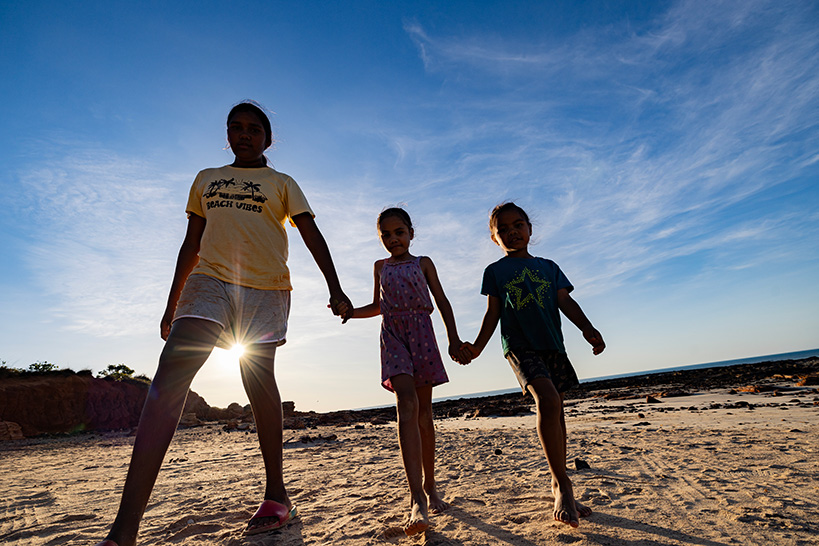
Aboriginal health is everyone's business. The needs of Aboriginal and Torres Strait Islander families and kids is integrated into all relevant areas of our work. Improving the health and wellbeing of Aboriginal and Torres Strait Islander kids and families is an overarching priority for every team at The Kids.
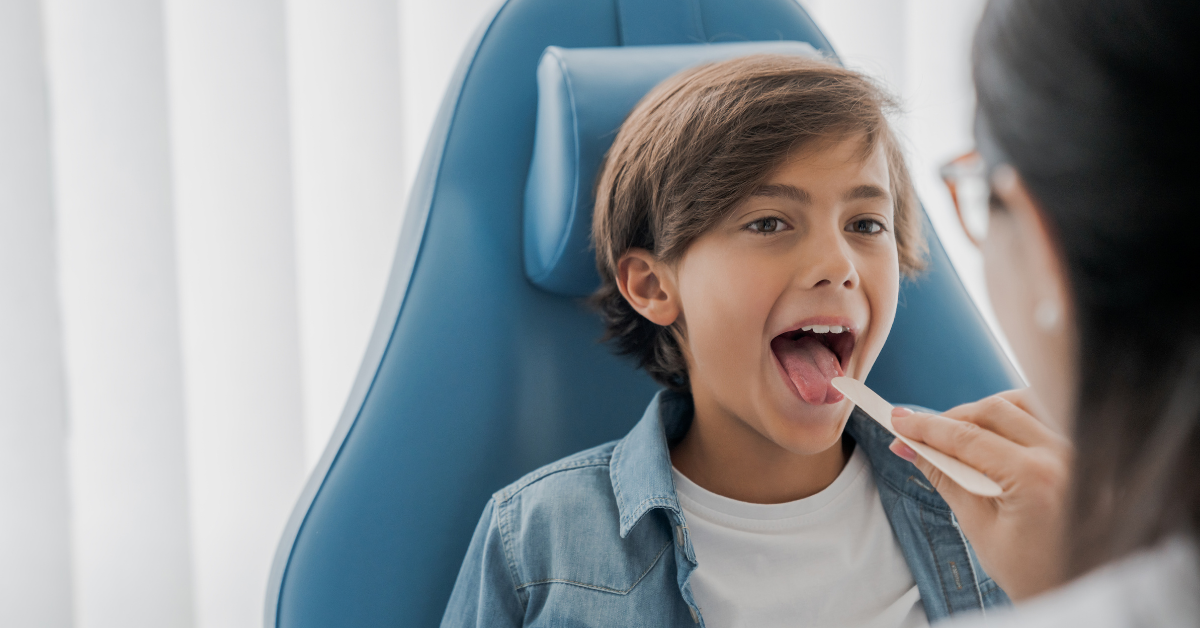
The Institute has become one of the world’s leading Strep A hubs, with multiple teams working in the Institute’s END RHD Program, headed by Associate Professor Asha Bowen, working to understand how Strep A works and find better ways to prevent and control the diseases it causes.

In late 2022, six-year-old Megan Hutton was living the dream of many kids her age as she celebrated being named runner-up champion athlete at her school sports carnival.

More than 3,000 skin checks have been undertaken as part of a large clinical trial in WA’s Kimberley region aimed at halving the burden of skin sores in school-aged Aboriginal children.