
Search
Impaired interferon response and allergic sensitization may contribute to virus-induced wheeze and asthma development in young children. Plasmacytoid dendritic cells play a key role in antiviral immunity as critical producers of type I interferons.
Lung function testing and lung imaging are commonly used techniques to monitor respiratory diseases, such as cystic fibrosis (CF). The nitrogen (N2) multiple-breath washout technique (MBW) has been shown to detect ventilation inhomogeneity in CF, but the underlying pathophysiological processes that are altered are often unclear.
Improvements in neonatal critical care have resulted in more people than ever reaching adulthood after being born prematurely. At the same time, it is becoming clearer that preterm birth can increase the risk of respiratory disease throughout a person’s lifetime. Awareness that a patient was born preterm can enable early specialist assessment and intervention when there is any concern about lung health.
To examine follow-up outcomes at corrected postnatal age (cPNA) 2 years of preterm infants previously enrolled in an RCT and treated with IN-REC-SUR-E or IN-SUR-E in 35 tertiary neonatal intensive care units.
This document updates the 2005 European Respiratory Society (ERS) and American Thoracic Society (ATS) technical standard for the measurement of lung volumes. The 2005 document integrated the recommendations of an ATS/ERS task force with those from an earlier National Heart, Lung, and Blood Institute workshop that led to the publication of background papers between 1995 and 1999 and a consensus workshop report with more in-depth descriptions and discussion.

A ground-breaking global clinical trial to improve the lifelong lung health of children born extremely prematurely has been awarded a Medical Research Future Fund (MRFF) International Clinical Trials Collaborations Grant totalling almost $3 million.
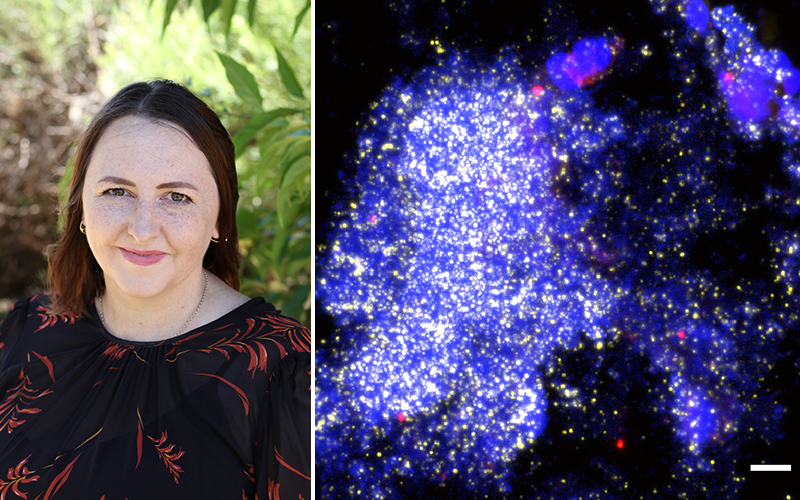
Researchers using powerful microscopes have identified bacterial slime in the lungs of some children with persistent wet coughs.
Existing trajectory studies have emphasised large-airway indices, but chronic obstructive pulmonary disease (COPD) might originate in smaller airways. This study aimed to investigate mid-to-small-airway function trajectories, their associated factors, and COPD risk.
The long-term consequences of early adverse exposures are well known but is becoming clear that early means not just in pregnancy but also in at least the two preceding generations. Furthermore, there are new existential threats to long term respiratory health, some of which have been presented at the INSPiRED meeting in Bologna and are reviewed in this manuscript.
Preterm birth is associated with lifelong respiratory sequelae, yet our understanding of lung function trajectories across the lifespan remains limited. We aimed to identify patterns of spirometry development from childhood to early adulthood in survivors of very preterm birth using novel data-driven methods.