
Search
As both mechanistic and geospatial malaria modeling methods become more integrated into malaria policy decisions, there is increasing demand for strategies that combine these two methods. This paper introduces a novel archetypes-based methodology for generating high-resolution intervention impact maps based on mechanistic model simulations. An example configuration of the framework is described and explored.
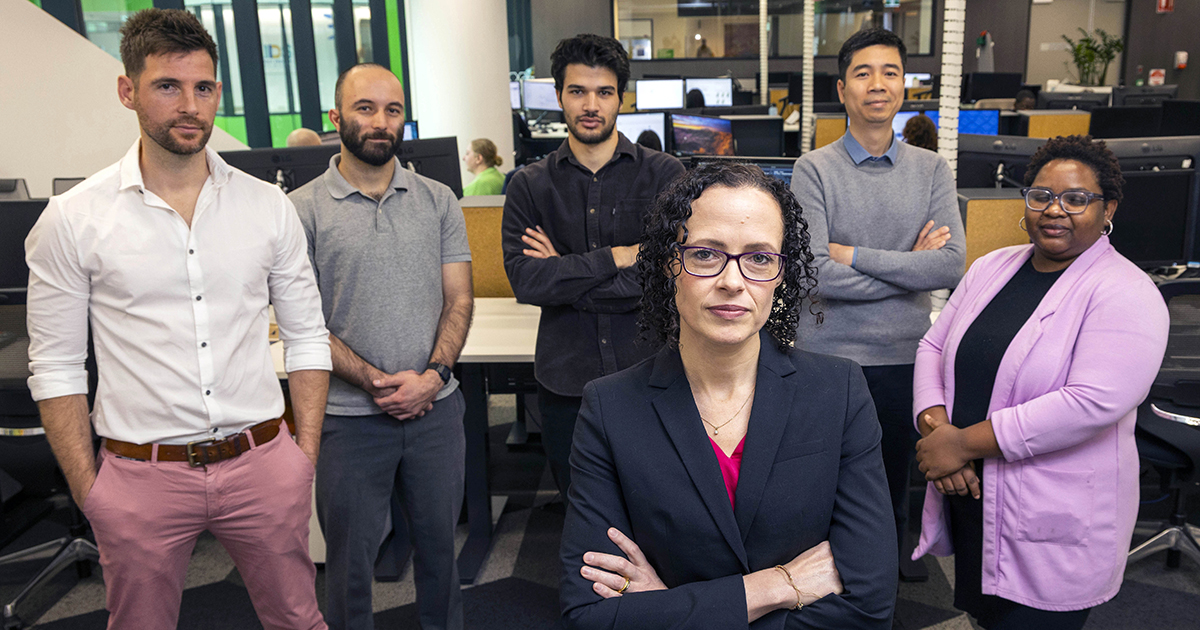
A USD $3.25 million international grant will see researchers from The Kids Research Institute Australia and The University of Western Australia play a pivotal role in accelerating the development of next-generation malaria vaccines, helping protect children from one of the world's deadliest infectious diseases.
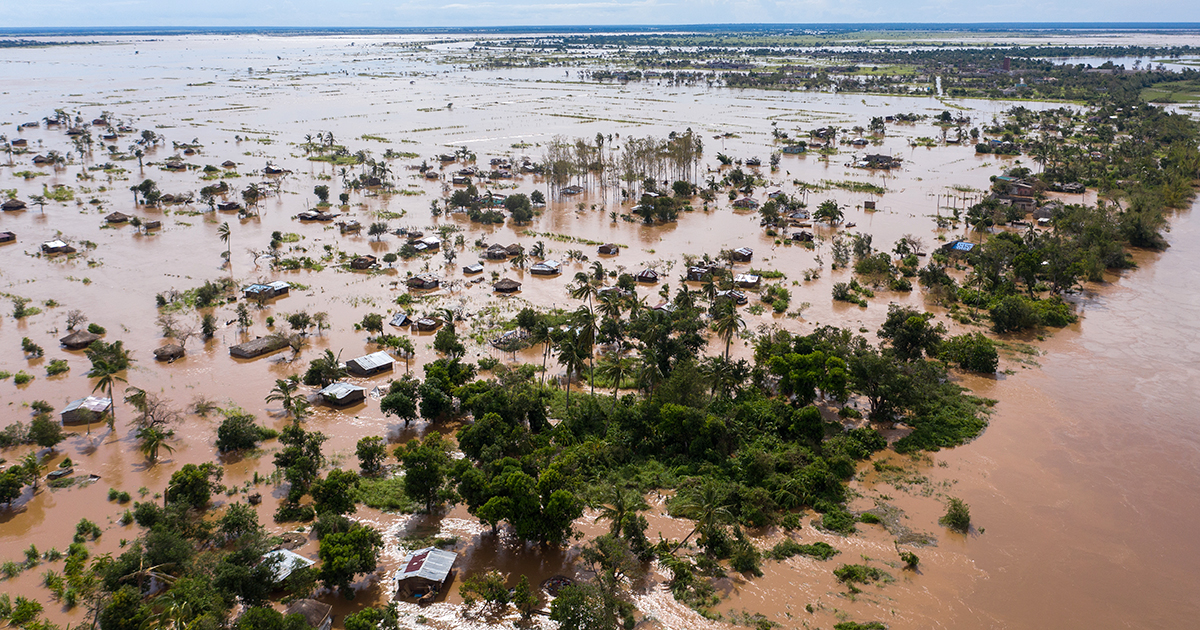
World-first research from The Kids Research Institute Australia and Curtin University predicts climate change could trigger more than 100 million additional malaria cases and 500,000 additional deaths in Africa by 2050, including substantial impacts on children.
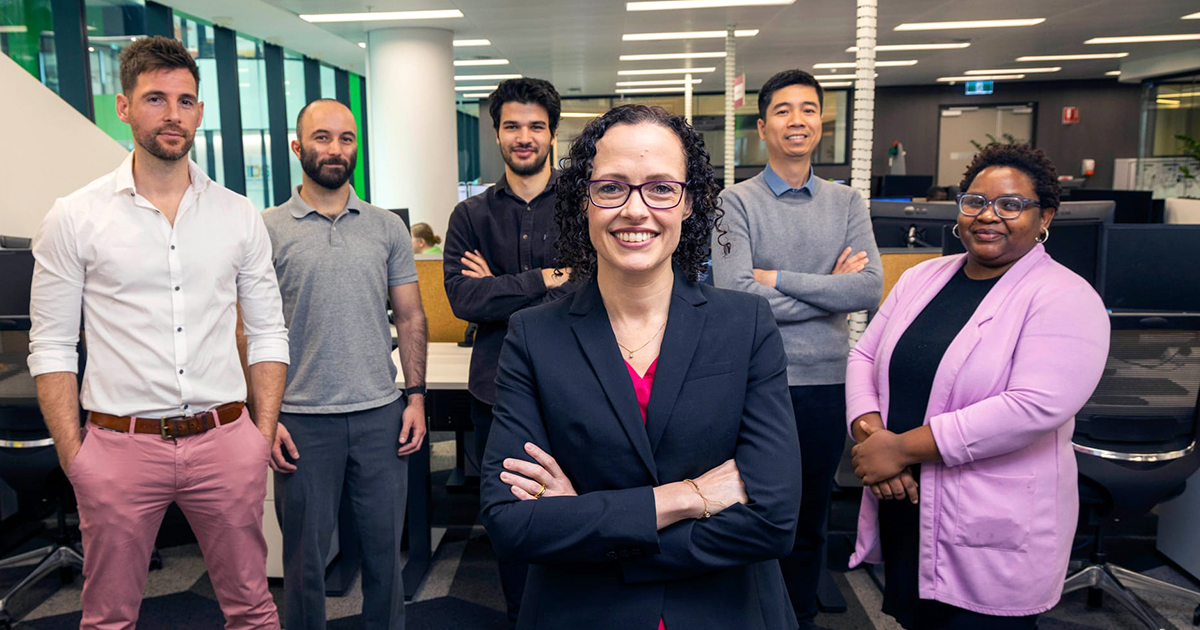
Research to eliminate one of the world’s deadliest diseases – malaria – will be accelerated thanks to a USD $4.7 million grant from the Gates Foundation for scientists at The Kids Research Institute Australia and The University of Western Australia (UWA).
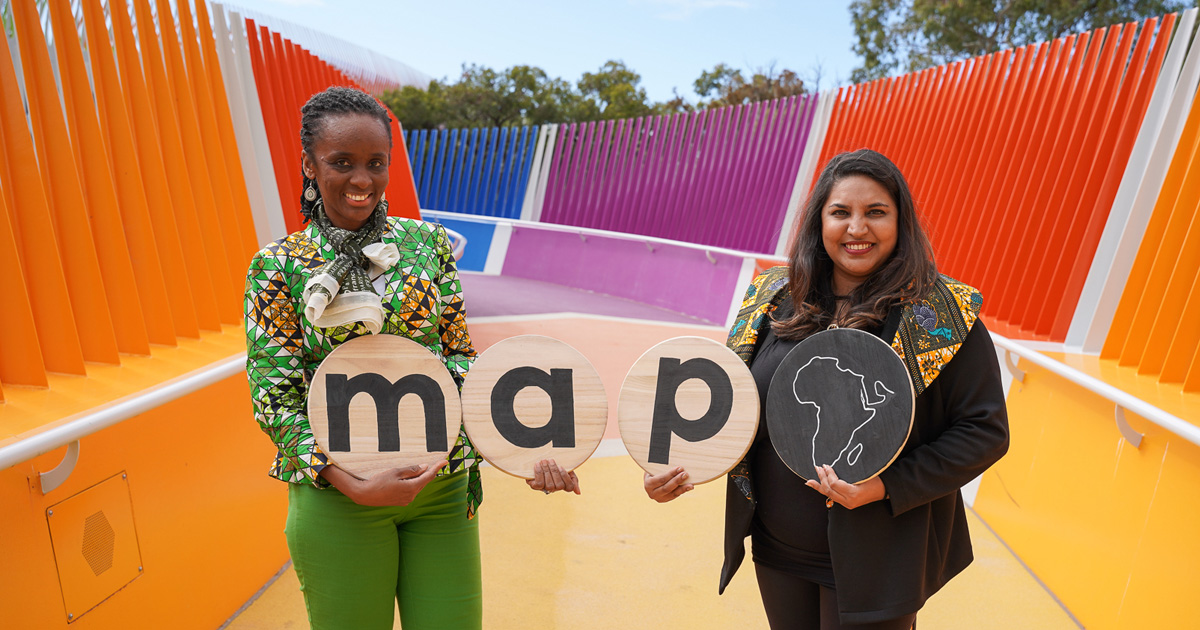
The Malaria Atlas Project (MAP) – which houses the world’s largest malaria database and is at the forefront of efforts to track and tackle the disease – has been awarded more than $16 million by the Bill & Melinda Gates Foundation.
Disruptions of malaria case management caused by the COVID-19 pandemic likely contributed to an extra 76,000 malaria deaths in sub-Saharan Africa, according to analysis by The Kids Research Institute Australia and Curtin University.
Anemia constitutes a major global public health challenge among school-aged children with documented impacts on psychomotor development, academic achievement, susceptibility to infections, and long-term economic productivity. This study presents nationally representative findings on the prevalence and determinants of anemia among school children aged 5-16 years in mainland Tanzania.
When models are used to inform decision-making, both their strengths and limitations must be considered. Using malaria as an example, we explain how and why models are limited and offer guidance for ensuring a model is well-suited for its intended purpose.
Malaria remains a leading cause of illness and death globally, with countries in sub-Saharan Africa bearing a disproportionate burden. Global high-resolution maps of malaria prevalence, incidence, and mortality are crucial for tracking spatially heterogeneous progress against the disease and to inform strategic malaria control efforts. We present the latest such maps, the first since 2019, which cover the years 2000–22. The maps are accompanied by administrative-level summaries and include estimated COVID-19 pandemic-related impacts on malaria burden.
In 2022, the World Health Organization extended their guidelines for perennial malaria chemoprevention (PMC) from infants to children up to 24 months old. However, evidence for PMC's public health impact is primarily limited to children under 15 months. Further research is needed to assess the public health impact and cost-effectiveness of PMC, and the added benefit of further age-expansion. We integrated an individual-based model of malaria with pharmacological models of drug action to address these questions for PMC and a proposed age-expanded schedule (referred as PMC+, for children 03-36 months).