
Search
Food allergy affects families' quality of life, can be lifelong and life-threatening, urging the identification of early modifiable risk factors. Formula feeding in the first days of life may increase the risk of cow's milk allergy, a risk often attributed to cow's milk allergens exposure. Early formula feeding also reduces the colostrum intake, the first 3 days' milk, which is rich in bioactive compounds critical for immune and gut health. This study investigates whether partial colostrum feeding increases the risk of food allergy beyond cow's milk.
To reduce peanut allergy prevalence, infant feeding guidelines now recommend introducing peanuts in an age-appropriate form (such as peanut butter) as part of complementary feeding. However, due to a lack of randomized trial evidence, most infant feeding and food allergy prevention guidelines do not include tree nuts. The aims of this trial were to determine safety and feasibility of dosage consumption recommendations for infant cashew nut spread introduction.
IgE-mediated food allergies have been linked to suboptimal naïve CD4 T (nCD4T) cell activation in infancy, underlined by epigenetic and transcriptomic variation. Similar attenuated nCD4T cell activation in adolescents with food allergy have also been reported, but these are yet to be linked to specific epigenetic or transcriptional changes.
Antioxidant intakes in pregnancy may influence fetal immune programming and the risk of allergic disease.
It has been hypothesized that vitamin D deficiency (VDD) contributes to the development of food sensitization (FS) and then food allergy.
Food allergies have become more common in our community, with up to one in ten young children now affected. Reactions can range from mild hives to life threatening anaphylaxis and breathing difficulties. The most common food allergies are to egg, peanut, tree nuts, cow’s milk, fish, shellfish, sesame, wheat and soy.

Up to three out of every 100 babies develop cow's milk protein allergy (CMPA) in their first year of life – and this number appears to be on the rise
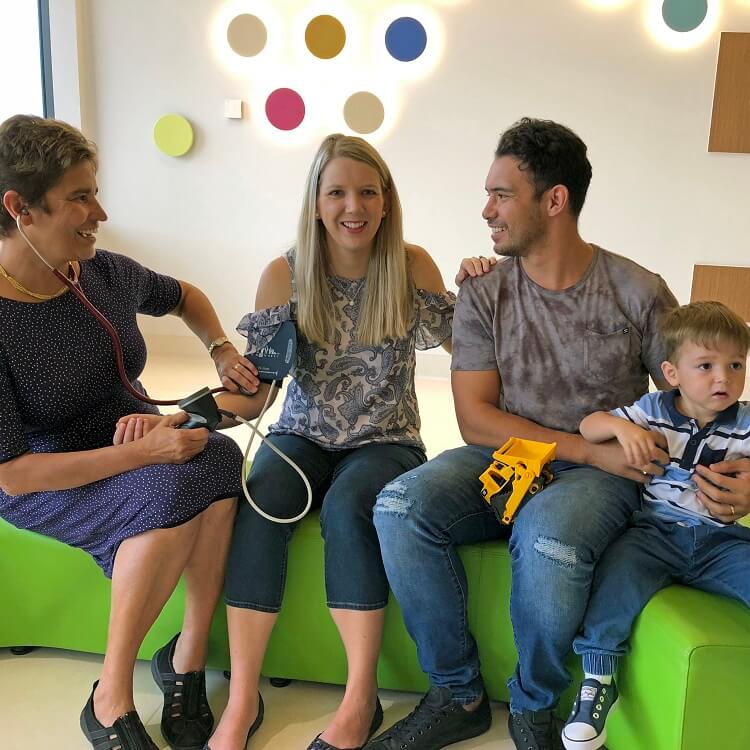
ORIGINS, a collaboration between The Kids and the Joondalup Health Campus, has achieved a major milestone – recruiting its 1000th family.
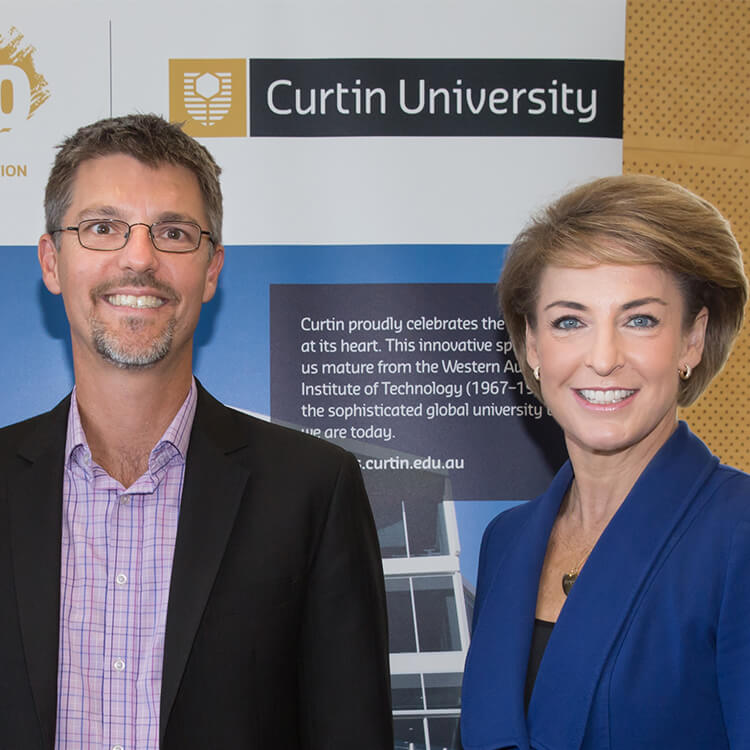
The Kids Research Institute Australia researchers have been awarded more than $8 million in prestigious project grants from the NHMRC.
Australia has one of the highest rates of food allergy, anaphylaxis hospital admissions and anaphylaxis fatalities worldwide. These trends and sustained advocacy prompted a 2019 Parliamentary Inquiry into Allergies and Anaphylaxis. Among 250 submissions, the Centre for Food Allergy Research called for a national research-coordinating centre and comprehensive allergy research funding.