Search
Clostridioides (Clostridium) difficile transmission between community and healthcare settings has been increasingly reported. We aimed to identify the prevalence and molecular epidemiology of C. difficile colonising adolescents and non-hospitalised children in Cambodia.
Edaravone is used to treat motor neurone disease (MND) by slowing disease progression and prolonging survival time. Currently, it is available as an IV infusion (Radicava®, Jersey City, NJ, USA) and an oral liquid suspension (Radicava ORS®, Jersey City, NJ, USA). Development of novel edaravone formulations is still an active field of research that requires a validated stability-indicating assay capable of providing specific, precise, and accurate quantification of edaravone content.
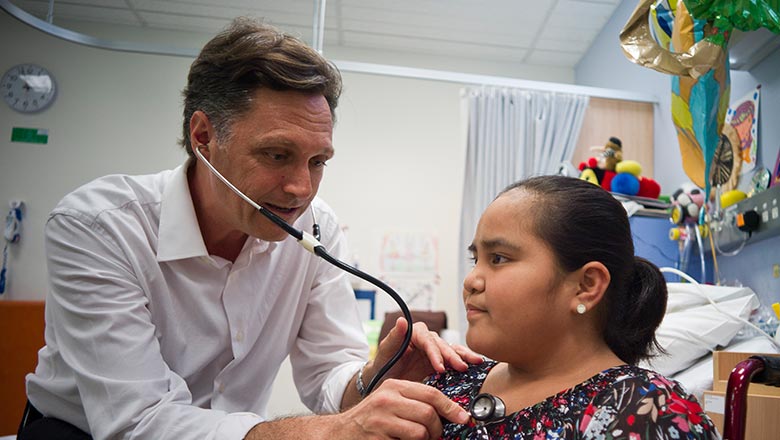
ETV6::RUNX1 is one of the most common recurrent genomic abnormalities in acute lymphoblastic leukaemia (ALL) and is associated with a good prognosis. High expression of NTRK1, encoding tropomyosin receptor kinase A (TrkA), confers a poor prognosis in other malignancies and may contribute to therapy resistance in patients with ETV6::RUNX1 B-ALL.
To achieve targets set within the 2030 Sustainable Development Agenda and the 2021–2030 Neglected Tropical Diseases (NTD) Roadmap, the World Health Organization identify the need for improved data analytics to inform NTD control programs.
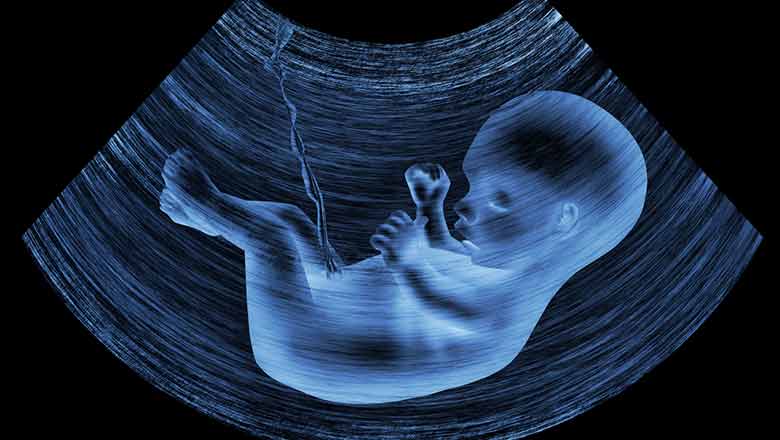
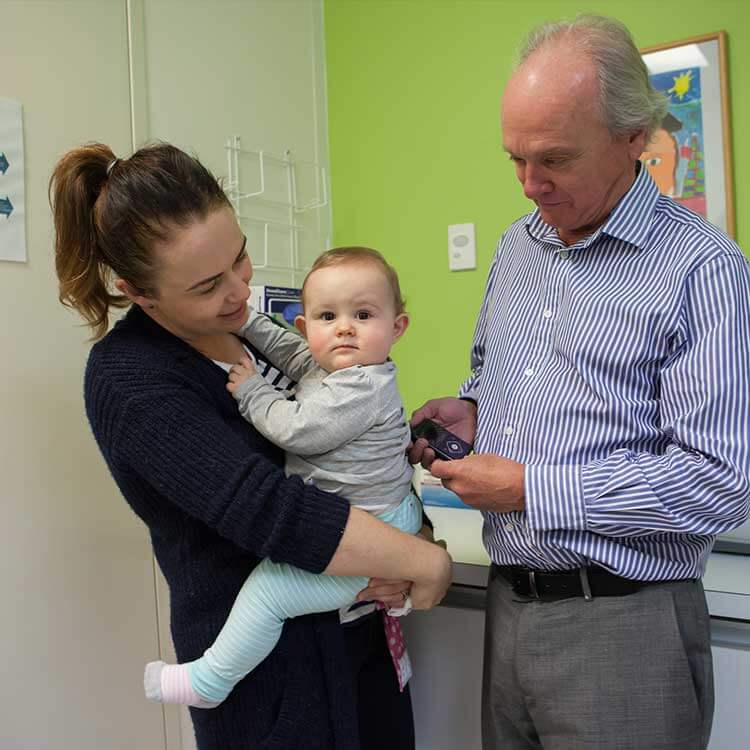
The introduction of universal newborn hearing screening has allowed for early identification and diagnosis of children with severe-profound hearing loss. This study aims to provide the first Western Australian perspective on the surgical feasibility and safety of cochlear implantation before 12 months of age.
Meaningful involvement of young People with Lived Experience (PWLE) in co-designing youth mental health interventions has been much emphasized globally. However, there is a scarcity of evidence on involving PWLE of mental health problems in designing, implementing and evaluating mental health interventions, especially in Low- and Middle-Income Countries.
Young people transitioning from out-of-home care (OHC) frequently experience poor mental health and resilience due to adverse childhood experiences (ACEs). However, there is limited understanding of the factors that mediate and moderate these outcomes. This is the first study to integrate linked administrative and longitudinal data to examine the mediation and moderation effects of placement stability, independent living skills (ILS), social inclusion, and self-determination when examining the association between ACEs and care status on mental health and resilience.
Tertiary Lymphoid Structures (TLSs) are ectopic lymphoid aggregates that form within the tumor microenvironment (TME) and are increasingly recognized as potential prognostic biomarkers in various cancers. However, the spatial heterogeneity and prognostic value of TLSs in esophageal squamous cell carcinoma (ESCC) remain poorly defined. This study aimed to characterize the spatial distribution patterns of TLSs and tumor-infiltrating lymphocytes (TILs), and to establish a refined prognostic model for ESCC patients in both surgery-only and neoadjuvant therapy cohorts.
National policies are essential for countries to adapt to the negative health impacts of climate change. Children are disproportionately affected by these impacts and must be at the heart of adaptation policies to address their vulnerabilities. Adaptation commitments worldwide are integrated into national adaptation plans, nationally determined contributions, national communications, and other multisectoral policies. We aimed to evaluate how effectively national climate change policies worldwide plan to protect child health, considering a range of determinants for successful child-health adaptation.
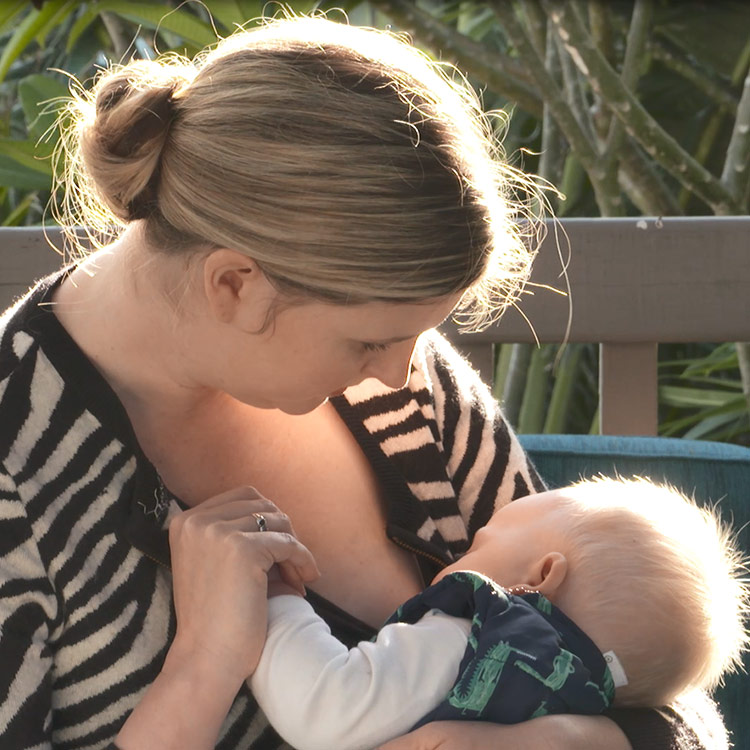
Human milk bacteria contribute to gut microbiome establishment in breastfed infants. Although breastfeeding is recommended throughout infancy, temporal variation in the milk microbiome-particularly beyond solid food introduction-remains understudied. We analyzed 539 milk samples from 83 mother-infant dyads between 1 week and 12 months postpartum using full-length 16S rRNA gene sequencing.