
Search
HIV postexposure prophylaxis (PEP) following child sexual assault (CSA) is recommended in select cases. High rates of poor adherence to PEP are reported. We evaluated adherence to the recommended management of children following CSA at the tertiary pediatric facility in Western Australia and compared our approach with international guidelines.
The global invasive meningococcal disease (IMD) landscape changed considerably during the COVID-19 pandemic, as evidenced by decreased incidence rates due to COVID-19 mitigation measures, such as limited social contact, physical distancing, mask wearing, and hand washing. Vaccination rates were also lower during the pandemic relative to pre-pandemic levels.
Health care workers (HCWs) faced an increased risk of Coronavirus Disease 2019 (COVID-19). Australia’s COVID-19 vaccine rollout commenced in February 2021 to priority groups, including HCWs. Given their increased risk, as well as influence on patients’ vaccine uptake, it was important that HCWs had a positive COVID-19 vaccination experience, as well as trusting the vaccine safety and efficacy data.
Citation: Carlson SJ, McRae J, Wiley K, Leask J, Macartney K. Knowledge, attitudes and practices regarding influenza vaccination among parents of
During the COVID-19 pandemic, and particularly 2020-2021, young adults were often significant transmitters of the virus. Prior to the availability of vaccines for young adults, we sought to understand what would contribute to their uptake of a COVID-19 vaccine and how government policy might intervene. We undertook qualitative interviews between February and April 2021 with 19 participants (aged 18-29) in Perth, Western Australia.

The Infectious Disease Implementation Research Team is a multi-disciplinary group researching the best way to implement infectious disease prevention and treatment strategies to improve the wellbeing of children and teenagers.
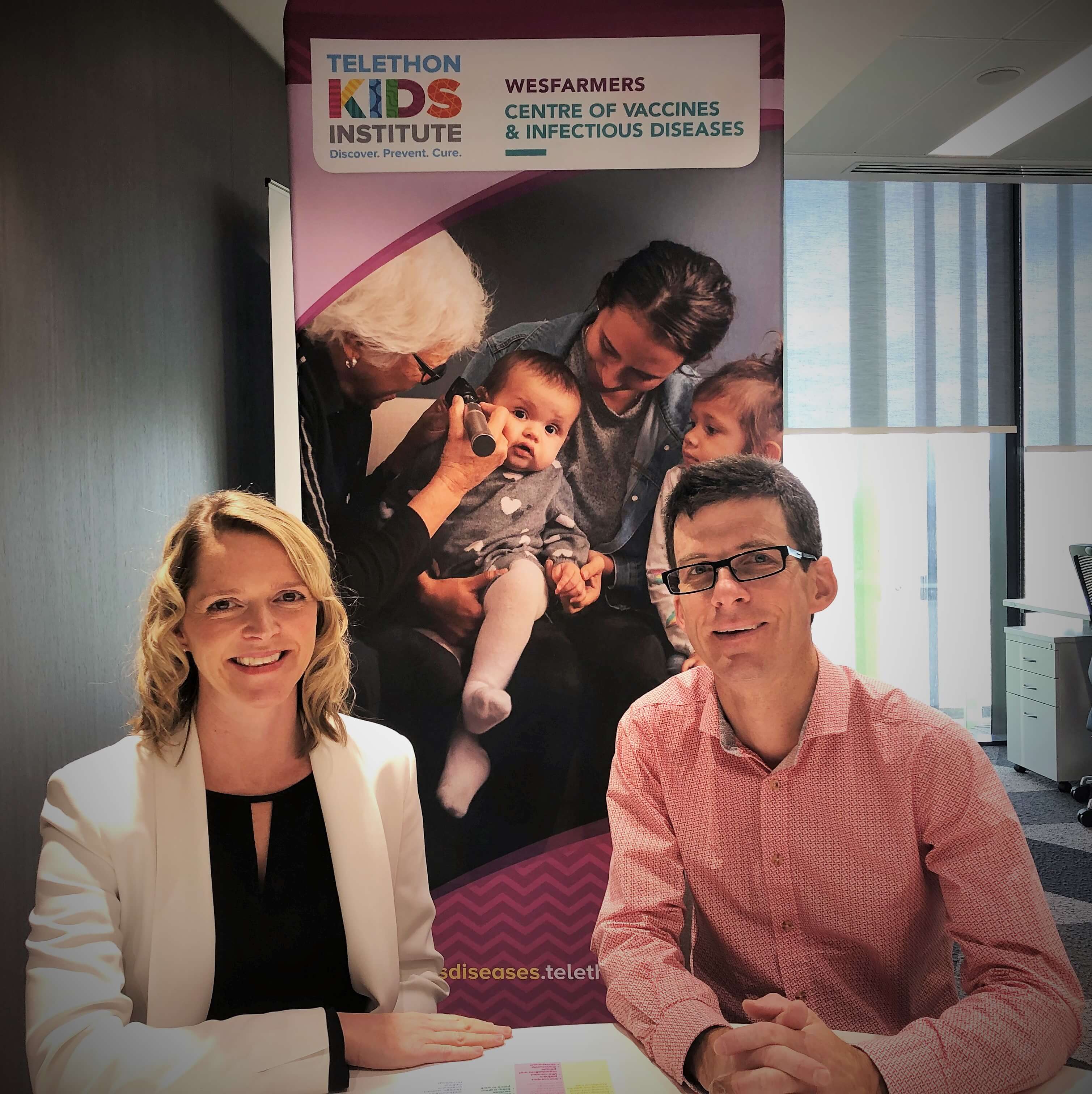
Dr Lea-Ann Kirkham and Dr Chris Blyth have been appointed as Co-Directors
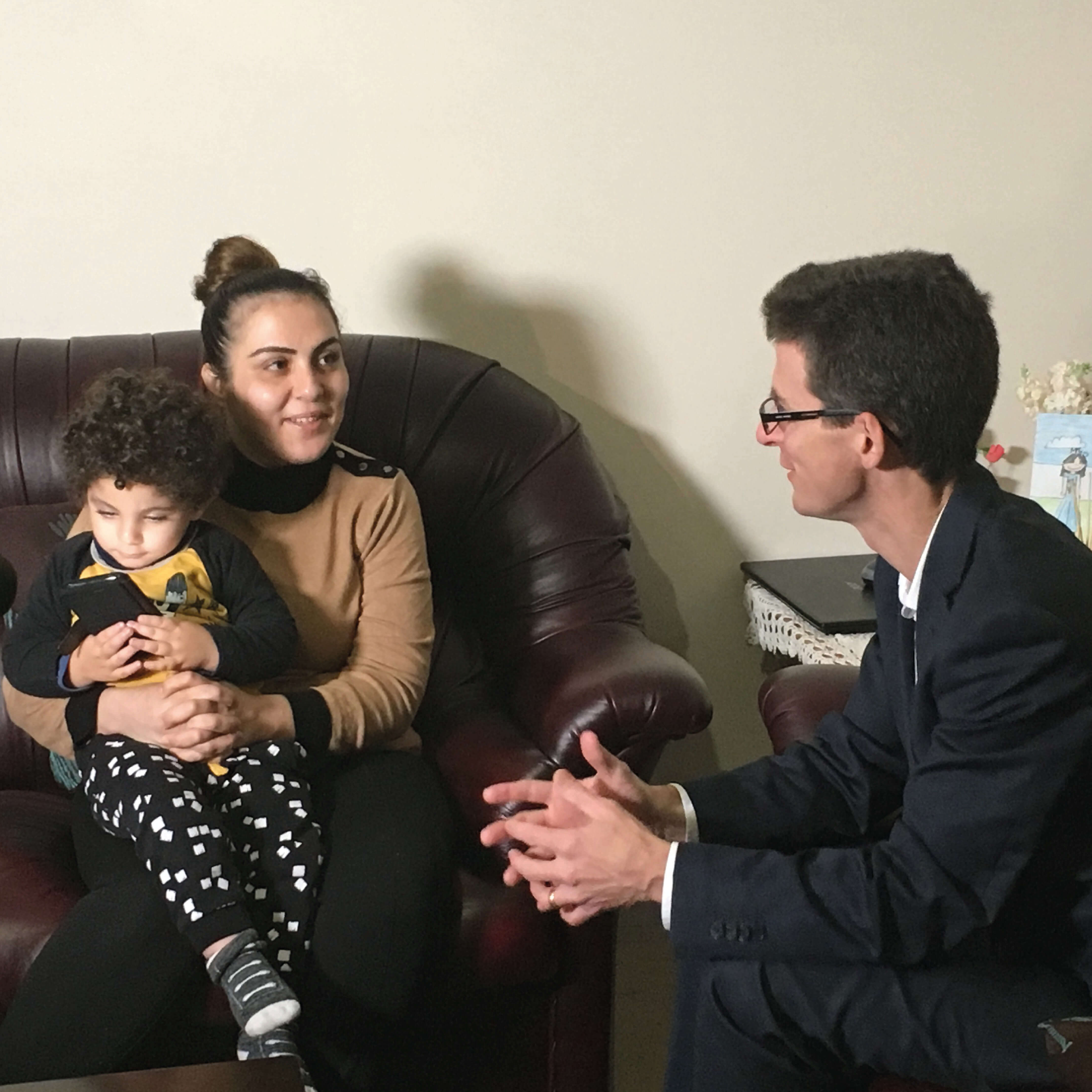
Perth parents are underestimating the serious consequences of the flu, with only 19 per cent of children under five years of age currently immunized against the virus ahead of the peak winter flu season.

In 2017, a steep rise in cases of meningococcal disease caused by the W strain sparked a wave of concern for parents in Western Australia.

A new research project aims to demonstrate how influenza vaccination in children could be a highly cost-effective health care intervention in Australia.