
Search
Rates of several vaccine preventable diseases, and associated hospitalisation, are higher among Aboriginal and/or Torres Strait Islander children than non-Indigenous children. Western Australia has among the lowest childhood vaccine coverage in Australia, particularly among Aboriginal and/or Torres Strait Islander children. Delayed vaccination is also more common in this population. This project aimed to understand the barriers and facilitators to vaccine uptake and timeliness among Aboriginal and/or Torres Strait Islander children aged under five years in Boorloo (Perth).
Staphylococcus aureus bacteremia (SAB) is the most common cause of childhood sepsis contributing to pediatric intensive care unit admission. The cost of adult SAB hospitalization is well described globally, but limited costing information is available for children. To bridge this knowledge gap, we investigated the cost of hospitalization in children with SAB in Australia.
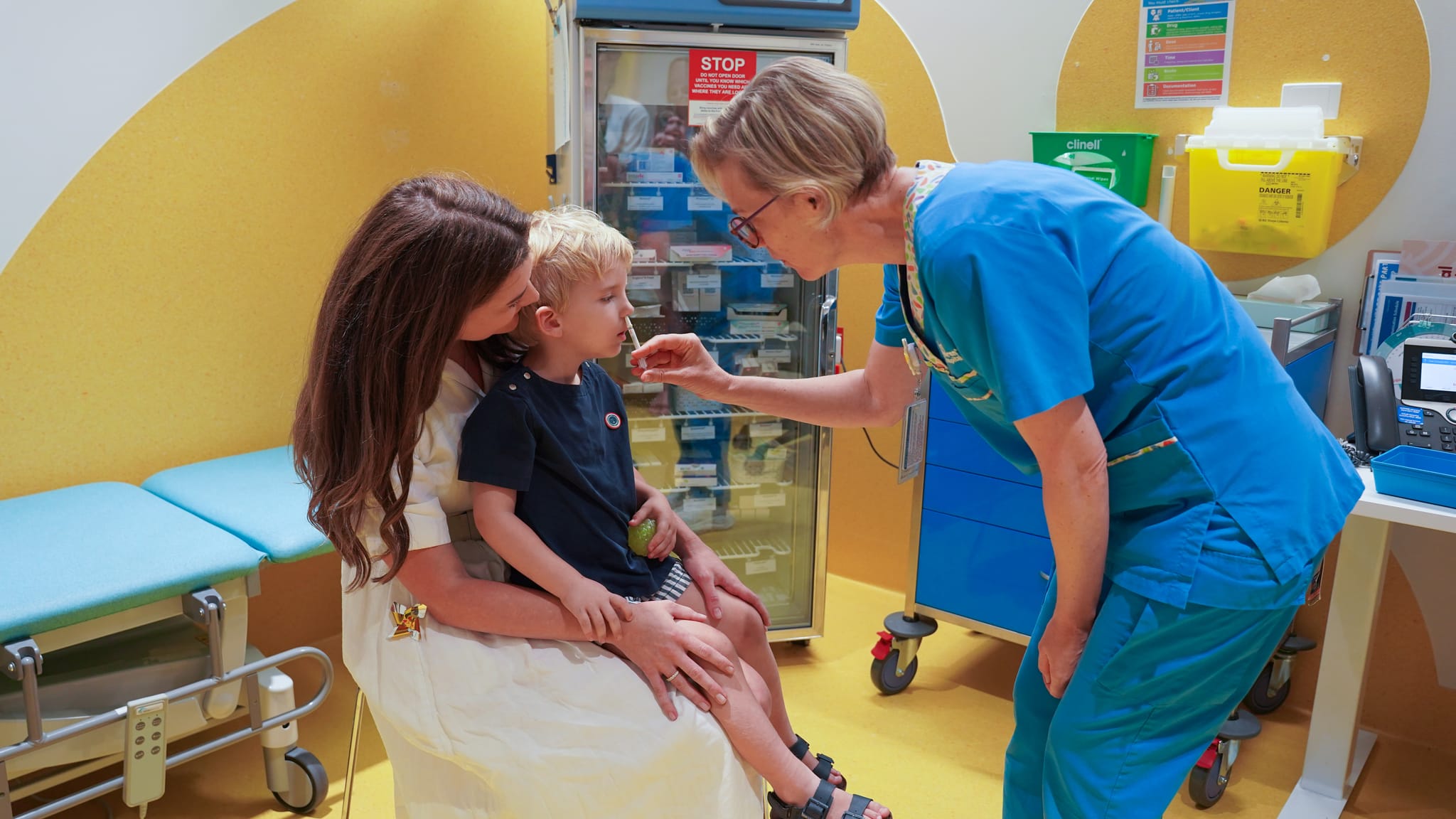
Researchers at The Kids Research Institute Australia hope an Australian-first nasal spray vaccine for two to 11-year-olds will boost flu vaccination this winter.
The estimated effectiveness of SMS (short message service) reminders for improving childhood vaccine coverage and timeliness has varied in previous studies. The observed heterogeneity in effectiveness may be explained in part by variation in reminder content or timing of the reminder relative to the vaccine schedule date. We sought to evaluate the effectiveness of a range of SMS reminders of varied content and timing for improving on-time childhood vaccination.
Although uncommon, invasive meningococcal disease (IMD) results in death in 5%-10% of cases in healthy children and adolescents. This study aimed to examine demographics, clinical presentation, treatment and outcomes of Australian children hospitalized with IMD during the introduction of the meningococcal vaccine program, overall and by serogroup/disease severity.
Pneumococcal conjugate vaccine (PCV) prevents pneumococcal disease and pneumonia, but indirect effects are poorly understood in low-coverage, high-burden settings like Papua New Guinea (PNG). PNG introduced 13-valent PCV (PCV13) in 2014. We aimed to assess direct and indirect effectiveness of PCV13 against vaccine-type pneumococcal carriage among children with pneumonia or suspected meningitis in PNG
Vaccine hesitancy and suboptimal vaccine uptake pose significant threats to public health, but modifiable psychological factors underpinning them are under-investigated. We examined the prevalence of spontaneous emotional mental imagery relating to infectious diseases and perinatal vaccines and its unique associations with vaccine hesitancy and uptake behaviour.
Respiratory syncytial virus (RSV) is a significant cause of respiratory infections in young children. Since 2021, RSV has been a notifiable disease in Australia. However, current surveillance systems focus on hospitalised RSV, with limited surveillance at a community level through primary care clinics. This approach only captures RSV requiring hospitalisation. Less severe illnesses, while not captured, may have significant social and economic impacts including the associated cost of care and absenteeism. The aim of this study is to establish an understanding of the broader burden of RSV in young children in a community setting.
This study described the presenting features, initial assessment, hospital care, and complications at discharge among Australian adolescents and young adults with Invasive meningococcal disease.
Vancomycin is first-line treatment for methicillin-resistant Staphylococcus aureus infections. However, despite guideline recommendations, there is no evidence that targeting vancomycin trough concentrations of ≥15 mg/L in children confers clinical benefit and is associated with vancomycin-associated nephrotoxicity.