
Search
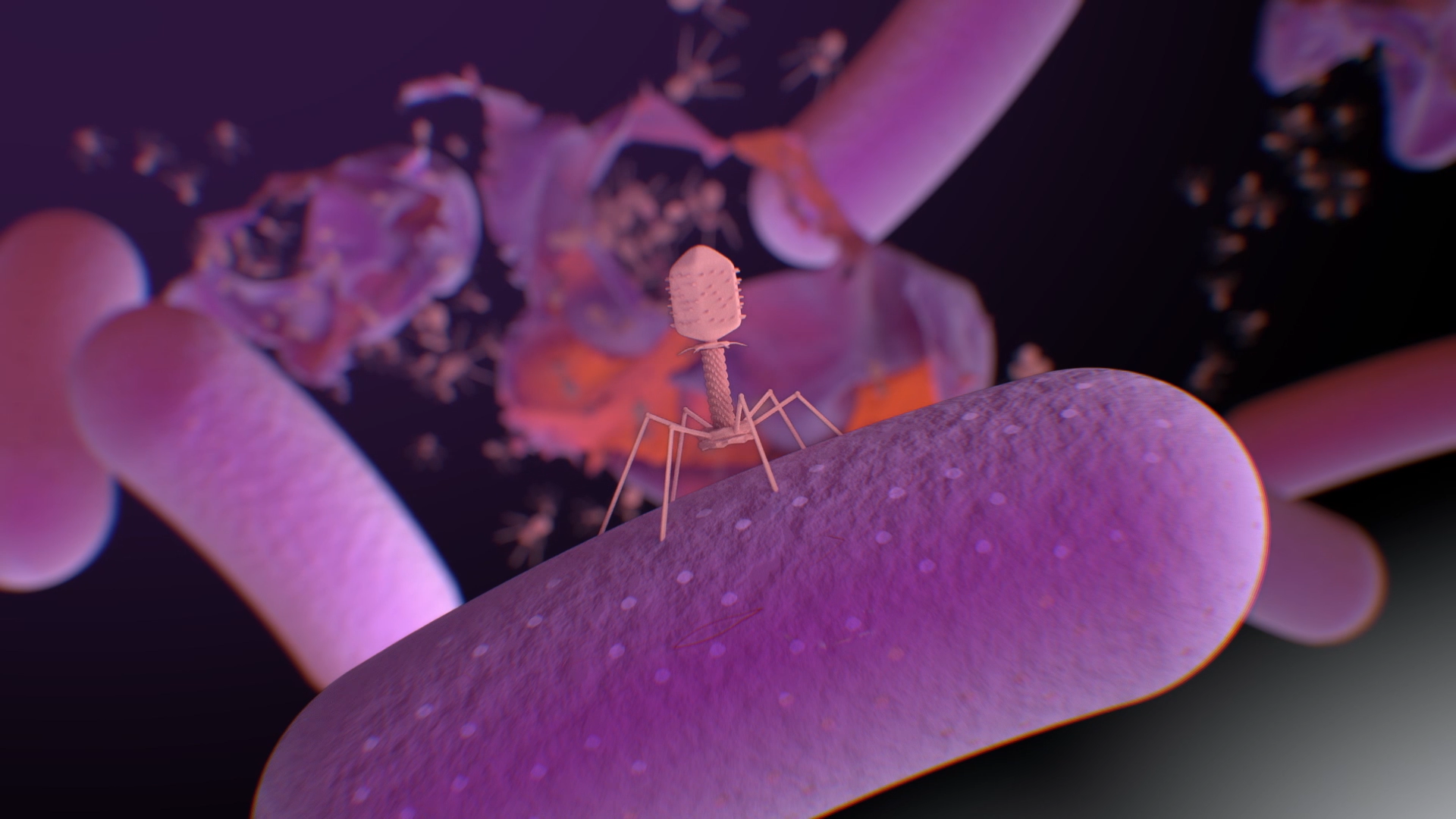
"Compassionate Use" treatments are novel treatments not widely available to everyone, but ones that holds great promise for potentially becoming a widely used treatment in the future.
Community involvement plays an integral role in guiding our research - find out how.
Find out how you can get involved with our work at Phage WA.
We've compiled a number of helpful links to phage resources in Australia and beyond.
Here are some of the most common questions about phage, phage therapy and antimicrobial resistance (AMR).

Bronchiectasis is a condition where the lungs become damaged and prone to infections.
The Western Australian Epithelial Research Program (WAERP) is a community cohort biobank that collects and stores airway cells from the upper (nose) and lower (trachea) airways of Western Australian children and adults (1-50 years of age) undergoing non respiratory elective surgery.
The Western Australian Epithelial Research Program (WAERP) biobank is undertaking a number of research projects intended to improve the understanding and preclinical assessment of therapeutics for respiratory conditions.
The Australian Epithelial Research Program (WAERP) comprises of several parties, including our Chief Investigators, Compliance, Scientific and Clinical Teams, and our Student group.
The Scientific Advisory Committee's (SAC) role is to provide scientific direction and to ensure the objectives of WAERP are reflected in the research performed; SAC forms part of our governance structure.