
Search
Respiratory syncytial virus (RSV) remains a leading cause of mortality and morbidity worldwide. RSV seasonality was disrupted by COVID-19-associated nonpharmaceutical interventions (NPIs). We review RSV seasonality, molecular epidemiology, clinical manifestations, and community awareness to inform future prevention strategies.
Health care workers (HCWs) faced an increased risk of Coronavirus Disease 2019 (COVID-19). Australia’s COVID-19 vaccine rollout commenced in February 2021 to priority groups, including HCWs. Given their increased risk, as well as influence on patients’ vaccine uptake, it was important that HCWs had a positive COVID-19 vaccination experience, as well as trusting the vaccine safety and efficacy data.
A random effects meta-analysis was used to estimate the pooled prevalence of HIV infection within minority indigenous populations of the South-East Asia (SEAR) and Western Pacific Regions (WPR). Sub-group analyses were conducted, and the sources of heterogeneity explored through meta-regression. The majority of studies were undertaken in high HIV risk subpopulations.
Citation: Carlson SJ, McRae J, Wiley K, Leask J, Macartney K. Knowledge, attitudes and practices regarding influenza vaccination among parents of
Epidemiologic data on invasive group C/G Streptococcus (iGCGS) infections are sparse internationally. Linked population-level hospital, pathology, and death data were used to describe the disease burden in Western Australia, Australia, during 2000-2018 compared with that of invasive group A Streptococcus (GAS, Streptococcus pyogenes) infections.
Seasonal inactivated influenza vaccine (IIV) is routinely recommended during pregnancy to protect both mothers and infants from complications following influenza infection. While previous studies have evaluated the risk of major structural birth defects in infants associated with prenatal administration of monovalent pandemic IIV, fewer studies have evaluated the risk associated with prenatal seasonal IIV.
During the COVID-19 pandemic, and particularly 2020-2021, young adults were often significant transmitters of the virus. Prior to the availability of vaccines for young adults, we sought to understand what would contribute to their uptake of a COVID-19 vaccine and how government policy might intervene. We undertook qualitative interviews between February and April 2021 with 19 participants (aged 18-29) in Perth, Western Australia.

Our team’s vision is to reduce the burden of infectious diseases in children and their families through comprehensive approaches to understanding the burden of disease, developing and optimising diagnosis and treatment strategies and evaluating and informing current and future prevention programs.
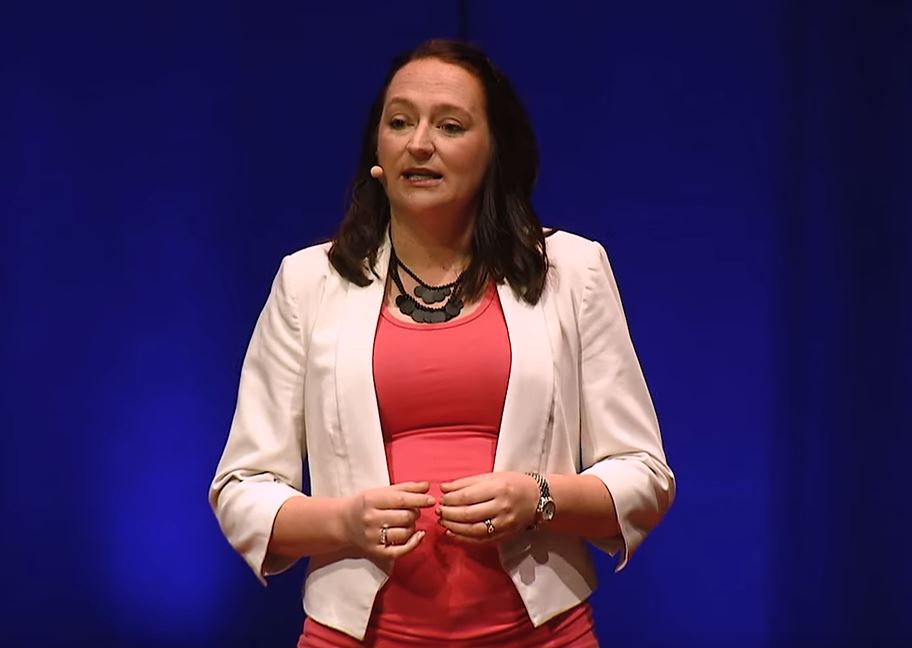
Dr Hannah Moore was one of WA’s brightest minds chosen to speak at TEDX Perth in November last year, presenting her insights into the power of data in fighting infectious diseases to a sold-out crowd at the Perth Concert Hall.

A The Kids researcher focused on ensuring kids are protected from infectious diseases will be named among WA’s most outstanding young scientists at the upcoming 2021 Young Tall Poppy Science Awards.