Skip to content

Search

Oscillometry and spirometry are not interchangeable when assessing the bronchodilator response in children and young adults born preterm

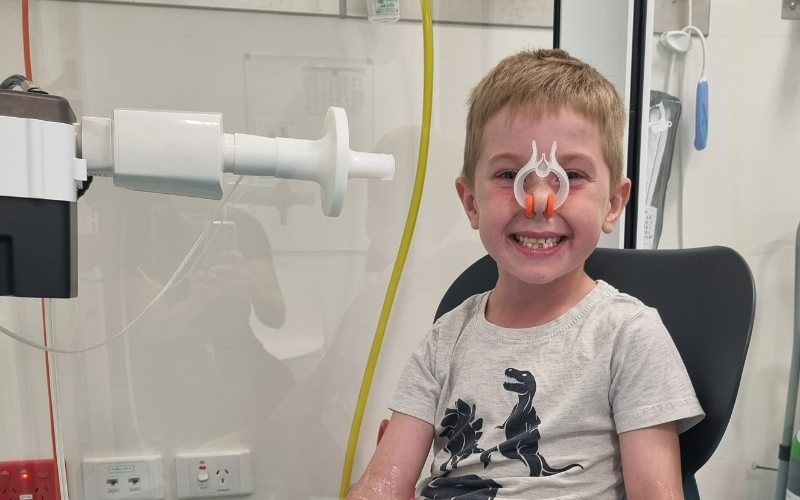
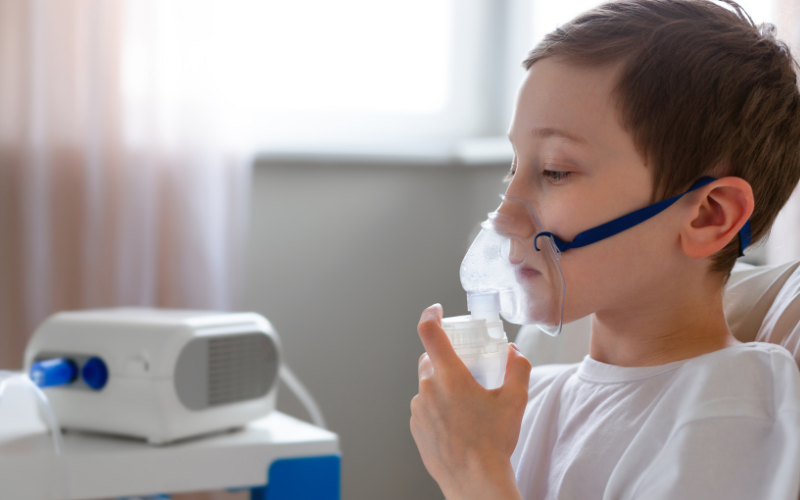
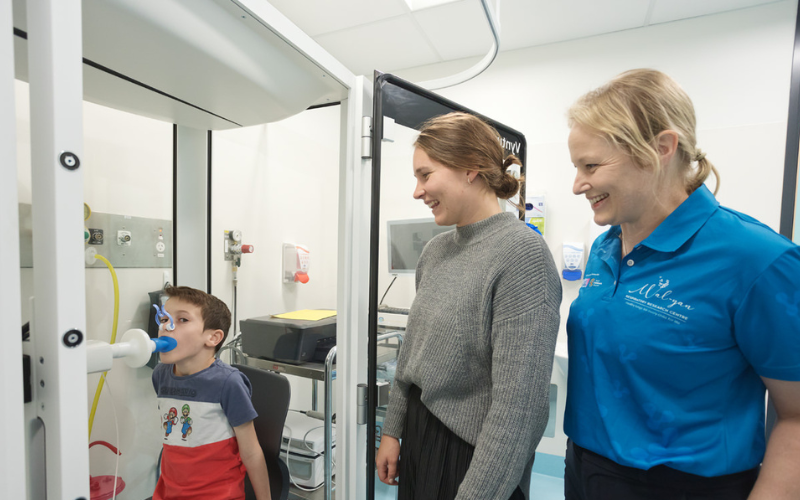
The European Respiratory Society Oscillometry Taskforce identified that clinical correlates of bronchodilator responses are needed to advance oscillometry in clinical practice. The understanding of bronchodilator-induced oscillometry changes in preterm lung disease is poor. Here we describe a comparison of bronchodilator assessments performed using oscillometry and spirometry in a population born very preterm and explore the relationship between bronchodilator-induced changes in respiratory function and clinical outcomes.

Normal values of respiratory oscillometry in South African children and adolescents

Noninvasive measurement of respiratory impedance by oscillometry can be used in young children aged from 3 years and those unable to perform forced respiratory manoeuvres. It can discriminate between healthy children and those with respiratory disease. However, its clinical application is limited by the lack of reference data for African paediatric populations. The aim of the present study was to develop reference equations for oscillometry outcomes in South African children and adolescents.

Risk factors for poorer respiratory outcomes in adolescents and young adults born preterm

The respiratory outcomes for adult survivors of preterm birth in the postsurfactant era are wide-ranging with prognostic factors, especially those encountered after the neonatal period, poorly understood.

Preterm lung disease: not just for neonatologists

Improvements in neonatal critical care have resulted in more people than ever reaching adulthood after being born prematurely. At the same time, it is becoming clearer that preterm birth can increase the risk of respiratory disease throughout a person’s lifetime. Awareness that a patient was born preterm can enable early specialist assessment and intervention when there is any concern about lung health. 

EVC-EVC2 complex stability and ciliary targeting are regulated by modification with ubiquitin and SUMO

Ellis van Creveld syndrome and Weyers acrofacial dysostosis are two rare genetic diseases affecting skeletal development. They are both ciliopathies, as they are due to malfunction of primary cilia, microtubule-based plasma membrane protrusions that function as cellular antennae and are required for Hedgehog signaling, a key pathway during skeletal morphogenesis.

Stability Considerations for Bacteriophages in Liquid Formulations Designed for Nebulization

Pulmonary bacterial infections present a significant health risk to those with chronic respiratory diseases including cystic fibrosis and chronic-obstructive pulmonary disease. With the emergence of antimicrobial resistance, novel therapeutics are desperately needed to combat the emergence of resistant superbugs.

Gut Microbiome and Associated Metabolites Following Bariatric Surgery and Comparison to Healthy Controls

The gut microbiome plays a significant role in regulating the host’s ability to store fat, which impacts the development of obesity. This observational cohort study recruited obese adult men and women scheduled to undergo sleeve gastrectomy and followed up with them 6 months post-surgery to analyse their microbial taxonomic profiles and associated metabolites in comparison to a healthy control group.

tesG expression as a potential clinical biomarker for chronic Pseudomonas aeruginosa pulmonary biofilm infections

Pseudomonas aeruginosa infections in the lungs affect millions of children and adults worldwide. To our knowledge, no clinically validated prognostic biomarkers for chronic pulmonary P. aeruginosa infections exist. Therefore, this study aims to identify potential prognostic markers for chronic P. aeruginosa biofilm lung infections.

Does lung function in preschoolers help to predict asthma in later life?

The earliest respiratory function assessments, within or close to the neonatal period, consistently show correlations with lung function and with the development of asthma into adulthood. Measurements of lung function in infancy reflect the in utero period of lung development, and if early enough, show little influence of postnatal environmental exposures. 

Oscillometry: clinical significance and applications

Respiratory oscillometry (or the forced oscillation technique) is a highly practical lung function test that can be applied in a wide range of clinical scenarios in children and adults, including the clinic, intensive care unit, patient home monitoring and emergency departments. Oscillometry measurements complement spirometry in detecting abnormal lung function, measuring effects of treatment such as inhaled corticosteroids or bronchodilators, and changes due to disease activity.