
Search
This study explores how the first wave of the COVID‐19 pandemic influenced family routines, relationships and technology use (smartphones and tablet computers) among families with infants. Infancy is known to be an important period for attachment security and future child development, and a time of being susceptible to changes within and outside of the family unit.
Behavioural sleep problems are common in children. The challenges with establishing and maintaining good sleep hygiene may prove challenging to overcome based on environmental issues such as the liberal availability of electronic media from a young age, permissive parenting, difficult family dynamics and limited parental/carer understanding of a child's sleep needs as they progress through childhood and adolescence.
To investigate how dieting is portrayed on TikTok and the potential implications for public health considering the effect of diet culture on eating disorders amongst young people.
Energy drinks (EDs) are not recommended for minors' consumption due to a myriad of health risks, but marketing initiatives persist. This study explored the promotion of EDs on TikTok, a platform frequented by children and adolescents.
The potential for human-computer interaction to have a substantial impact on adults is well documented. However, its potential importance prior to birth has rarely been reported. Parental use of smartphones and tablet computers could influence the relationship between parent and baby during pregnancy (prenatal attachment) and thus child development.
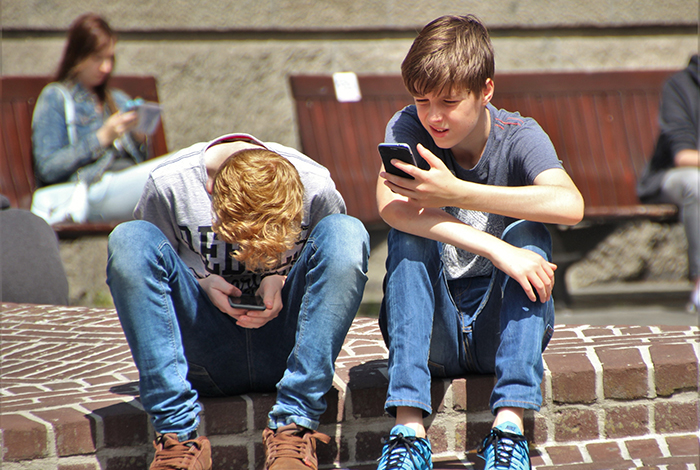
The Kids Research Institute Australia cyber safety expert Professor Donna Cross says parents should use the ‘three C’s’ to help keep their children safe online.
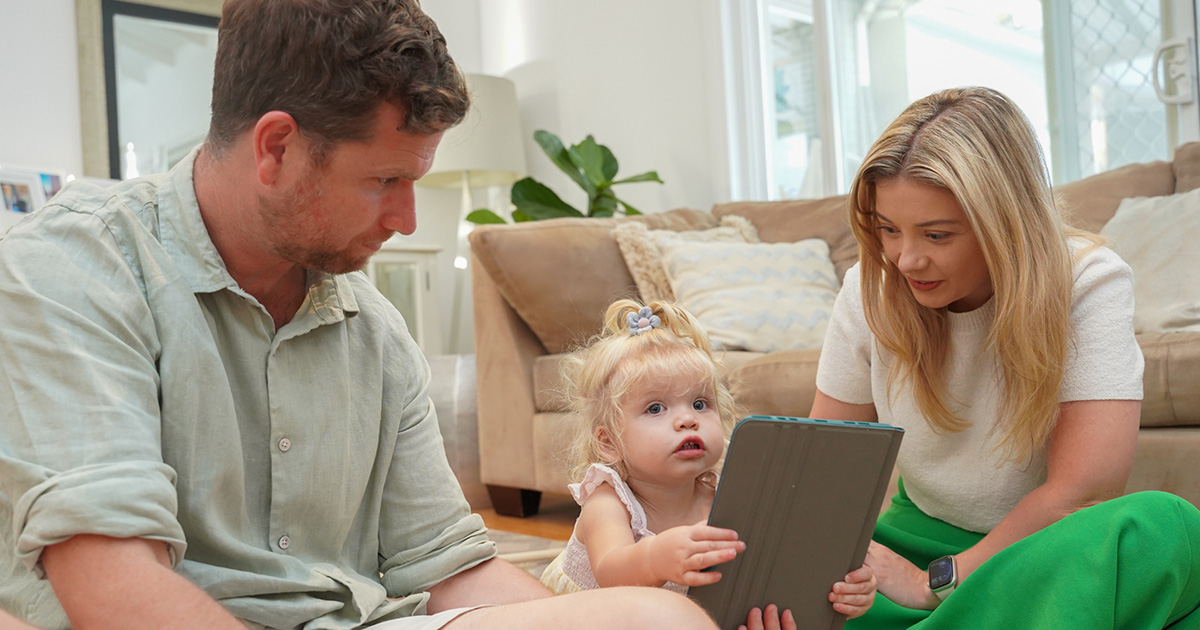
A first-of-its kind study has found that for every minute of screen time toddlers are exposed to at home, they hear fewer adult words, make fewer vocalisations and engage in fewer back-and-forth conversations with their parents.
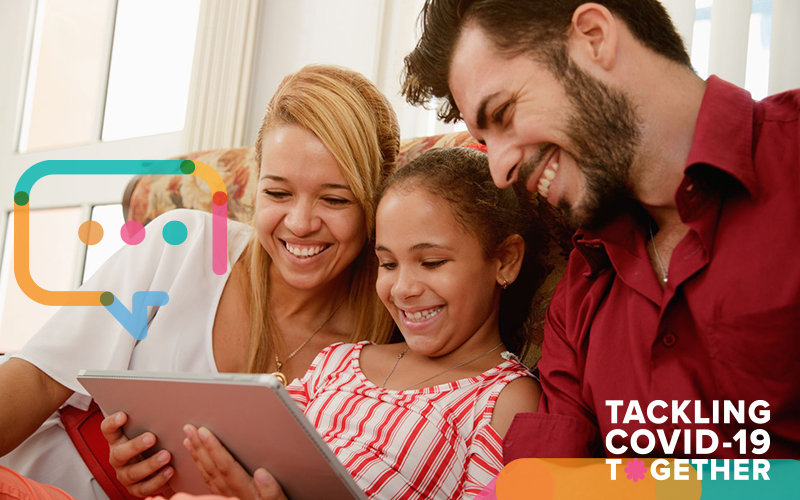
A study of ORIGINS families has revealed a positive aspect to the COVID pandemic, with families found to benefit from the extra time together during lockdowns and mobile devices proving useful for helping them stay in touch with extended family and friends and for activities such as online classes.
Australian parents have a new weapon in the battle to keep their kids safe online with the launch of ‘Beacon’.
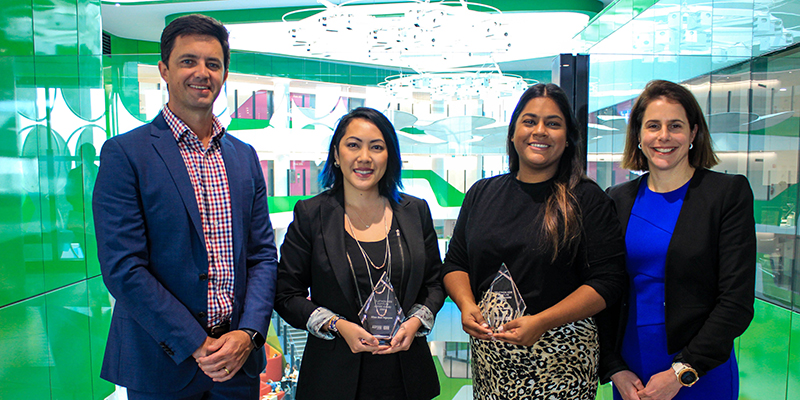
Two of The Kids Research Institute Australia’s best and brightest will share in $10,000 of funding to use for investment in their professional growth through attendance at an international conference, when safe to do so.