
Search
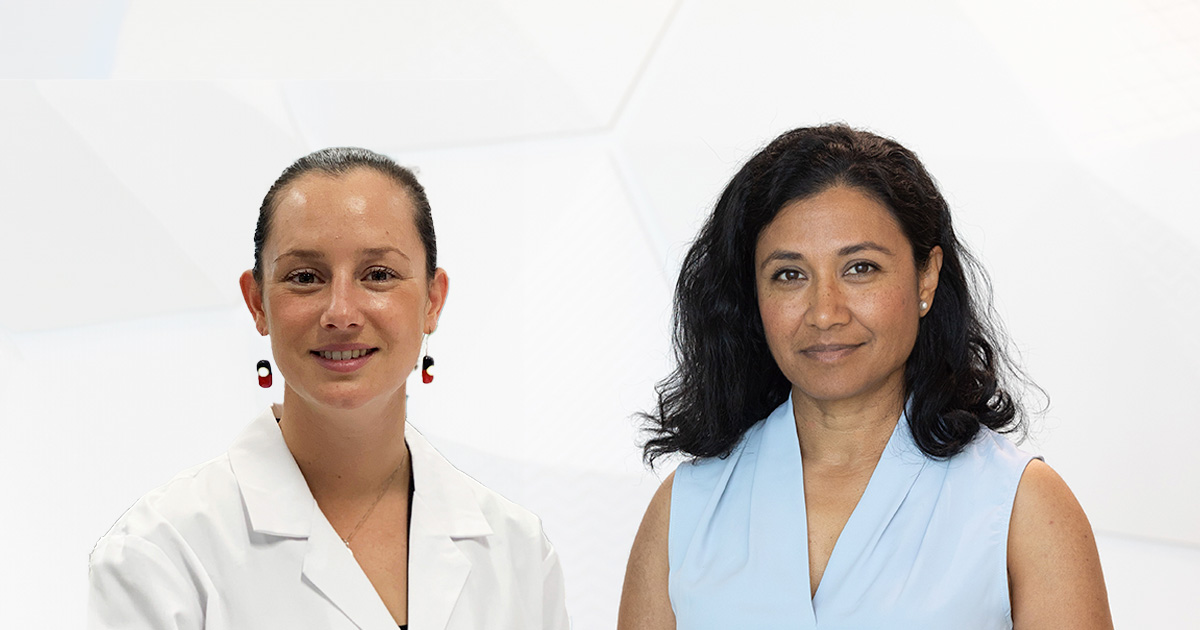
The generous support of Western Australians through Channel 7’s Telethon is helping to fund life-changing child health research, with two The Kids Research Institute Australia researchers awarded significant grants.
Investigators: Anna Hunt, Ashleigh Lin Stress and anxiety are significant problems in children and adolescence with type 1 diabetes. Not only do they
Keely Bebbington MClinPsych/PhD McCusker Postdoctoral Research Fellow in Type 1 Diabetes 08 6319 1766 keely.bebbington@thekids.org.au McCusker
Liz Tim Davis Jones MBBS FRACP PhD MBBS DCH FRACP MD Co-director of Children’s Diabetes Centre Co-head, Diabetes and Obesity Research Co-director of
Keely Amy Tim Bebbington Finlay-Jones Jones MClinPsych/PhD BPsych(Hons), MPsych(Clinical), MHealthEcon, PhD (Clin Psych) MBBS DCH FRACP MD McCusker
Aboriginal children and families contend with higher rates of preventable infectious diseases that can be attributed to their immediate living environment. The environments in which children spend most of their time are their homes and schools. We aimed to understand the opportunities in the school setting to support student skin health and wellbeing through environmental health activities, how these activities were completed, and the barriers to their implementation.
Community Elders in Boorloo (Perth) identified early childhood education (ECE) as a priority area for Aboriginal children’s research. This is due to a lower number of Aboriginal children attending ECE programs compared to non-Aboriginal children. Attending ECE programs sets children up for school success and is an indicator for positive life outcomes in later life. Therefore, we sought to co-design and implement a program that encourages Aboriginal children and families to attend ECE programs, known as Moort Dandjoo Kaadadjiny.
Early childhood is foundational for optimal and inclusive lifelong learning, health and well-being. Young children with disabilities face substantial risks of sub-optimal early childhood development, requiring targeted support to ensure equitable access to lifelong learning opportunities, especially in low- and middle-income countries.
Globally, as scale up of early childhood education (ECE) continues, monitoring ECE quality is imperative to promote service aspects that drive positive outcomes for children. Monitoring of ECE quality in low- and middle-income countries (LMICs) is scarce, limited by challenges in varied conceptualisations of quality, lack of measurement tools that reflect local culture and context, and implementation difficulties in low resource settings.
Mental health concerns present significant challenges for Australian youth. Arts organizations play a key role in promoting preventative mental health strate-gies through enhancing the social and emotional well-being (SEWB) of youth. However, little is known about how the arts promote SEWB and the processes and contexts through which this occurs.
School-based nutrition education (NE) has an important role in promoting healthy eating habits and helping prevent chronic diseases – particularly among disadvantaged children and youth who are more likely to experience poor diet quality.
This study was guided by three research aims: firstly, to examine the longitudinal trends of health-related quality of life (HR-QoL) among gender and sexuality diverse (LGBTQA2S+) young people through adolescence (ages 14-19); secondly, to assess longitudinal associations between poor mental health and HR-QoL among LGBTQA2S+ young people through adolescence; and thirdly, to examine differences in HR-QoL among LGBTQA2S+ young people during early adolescence (ages 14 and 15) depending on select school-, peer-, and parent-level factors.
Previous research has demonstrated wellbeing benefits for positive education programmes (PEPs) facilitated by clinicians or experts or outside the school context. The current study explored the effects of a Year 10 PEP led by teachers trained in positive education and embedded within the Australian secondary school context.